

Story Highlights
- A comprehensive backpack testing initiative involved parent and child evaluation of multiple designs and brands
- State Bags Kane Backpack emerged as a top performer for elementary-aged children with a 15-liter capacity
- Practical features including functional zippers, adjustable straps, and easy-to-use compartments proved essential for independent use
- Durability and maintenance ease were critical factors in determining which backpacks withstand a full school year
What Happened
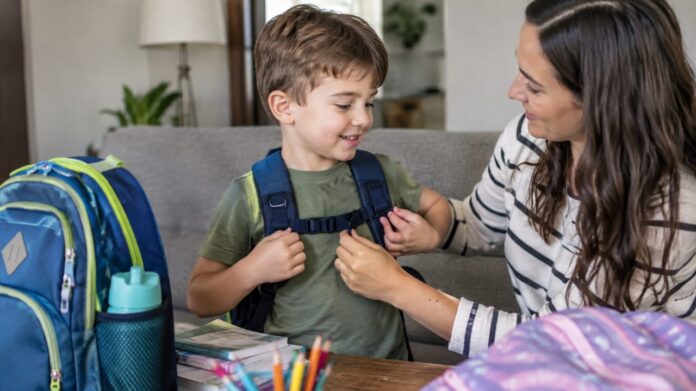
A comprehensive backpack review process unfolded when a parent preparing for their child’s kindergarten transition recognized that standard bags would not meet the considerable storage and durability demands of elementary school attendance. The parent consulted extensively with other families to gather real-world recommendations, then conducted systematic testing with their five-year-old child. The living room evaluation included checking zipper functionality, testing strap adjustability, assessing weight distribution, and ensuring the child could independently operate the backpack with minimal frustration.
The testing process revealed significant differences in design quality and practical usability across the market. Multiple backpack options underwent evaluation for capacity, organizational features, ease of access, and child appeal. The assessment covered various price points and aesthetic styles to provide options that balance parental priorities with children’s preferences. Special attention was paid to how well each backpack performed under realistic school conditions, including the ability to withstand spills and maintain appearance throughout the academic year.
- State Bags Kane Backpack selected as top choice with 15-liter capacity for grades K-3
- Testing included zipper functionality, strap adjustability, and independent operation by five-year-old user
- Evaluation covered durability features such as spill resistance and maintenance requirements
- Multiple backpack brands assessed for organizational features and child accessibility
Why It Matters
Proper backpack selection significantly impacts the elementary school experience for both children and parents. A well-designed backpack enables children to develop independence by managing their own school supplies, organizing materials, and confidently carrying their belongings without adult assistance. When children can comfortably operate their backpack zippers, adjust their own straps, and access necessary items without struggle, it builds confidence during the critical early school years. Additionally, a durable backpack that survives spills, drops, and the wear-and-tear of playground activities reduces the financial burden on families who might otherwise need to replace bags multiple times throughout the school year.
The durability and organizational features of elementary school backpacks directly affect how prepared children are for their daily academic responsibilities. Backpacks with dedicated compartments and pockets encourage children to organize folders, textbooks, lunch boxes, and snack containers systematically rather than having items loose inside the bag. This organization helps ensure that materials don’t get damaged, lost, or forgotten. For parents, a backpack that can be easily wiped clean and maintained maintains its appearance and functionality throughout the school year, representing better value and reducing replacement costs. The emotional aspect—children who feel enthusiastic about their backpack choice are more likely to embrace the school routine with positive energy on day one.
- Child independence develops through ability to operate backpack features without adult help
- Organized compartments prevent loss or damage to essential school materials and supplies
- Durability directly affects family finances by reducing need for mid-year replacements
- Aesthetic appeal and child satisfaction enhance enthusiasm for the school experience
Political and Public Context
Back-to-school shopping represents a significant annual consumer event affecting millions of American families. The elementary school market for educational accessories, including backpacks, reflects broader trends in children’s product design that emphasize both functionality and child agency in decision-making. Parent communities have increasingly embraced collaborative approaches to product evaluation, sharing experiences and recommendations through informal networks. This peer-based vetting process influences purchasing decisions more substantially than traditional advertising in many family households.
The elementary school backpack category has evolved considerably over the past decade, with manufacturers responding to parent demands for increased durability, improved ergonomic design, and organizational features that support child development. The market now includes multiple price points and design aesthetics, allowing families with varying budgets to find appropriate solutions. Many backpack manufacturers now offer size variations to accommodate different age groups, recognizing that one-size-fits-all approaches fail to meet the needs of children ranging from kindergarten through upper elementary grades. The emphasis on child-tested products reflects a broader consumer movement toward involving end users—including children—in product evaluation and selection processes.
- Parent networks and peer recommendations drive elementary school backpack purchasing decisions
- Manufacturers offer multiple size options to accommodate grades K through 6
- Market competition has improved durability standards and organizational features across brands
- Child involvement in product testing aligns with contemporary parenting approaches emphasizing agency and preference
What Happens Next
As families prepare for the upcoming school year, backpack selection will remain a priority task for parents of elementary-aged children. The continued growth of parent review networks and user-generated product evaluation content will likely influence backpack purchasing patterns across the market. Manufacturers may respond to documented user preferences by emphasizing durability, organizational features, and child-friendly operational design in their product development and marketing strategies.
Looking forward, the integration of child input into product selection decisions appears likely to expand as parents recognize the value of involving their children in choices that affect their daily school experience. This trend may prompt backpack designers to increasingly test products with actual users across different age groups and development levels. Additionally, as sustainability concerns grow within consumer culture, backpack manufacturers may face increasing pressure to design products with longer usable lifespans, encouraging replacement cycles measured in years rather than months.
- Families continue preparing for upcoming school year with backpack selection as priority task
- Parent review networks and peer recommendations will continue shaping market preferences
- Manufacturers may emphasize child-tested features and durability in future product development
- Sustainability and long-term product lifecycle will become increasingly important consumer considerations
