

Story Highlights
- Three Senate Democrats sent a letter to Defense Secretary Pete Hegseth questioning the Pentagon’s appointment of an active-duty Navy captain to a senior role at the military publication without consulting the longtime publisher
- Max Lederer, Stars and Stripes’ publisher, announced his retirement citing fundamental disagreements with the Department of Defense over the publication’s direction and pace of change
- Senators Richard Blumenthal, Elizabeth Warren, and Jeanne Shaheen expressed concerns that the appointment of William Urban as deputy raises serious questions about editorial independence
- The Pentagon has outlined new guidelines requiring Stars and Stripes content to be consistent with military good order and discipline, representing a significant shift in editorial oversight
What Happened
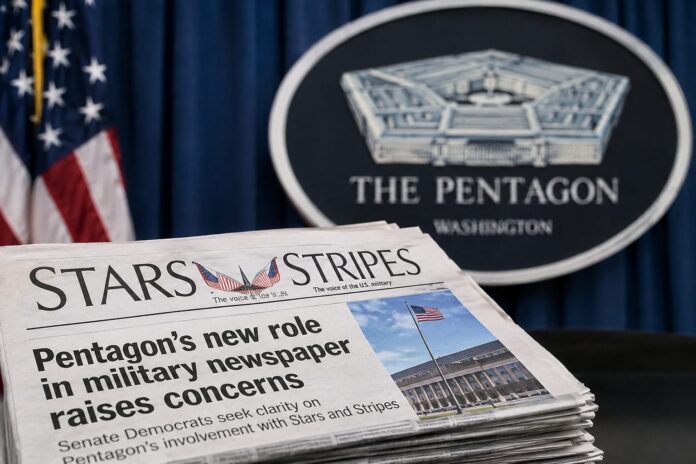
A trio of Senate Democrats has raised concerns regarding Pentagon involvement in the operations of Stars and Stripes, the military’s independent newspaper publication. The matter came to a head this week when the Department of Defense appointed William Urban, an active-duty Navy captain and public affairs officer, to serve as deputy to the publication’s longtime publisher without prior consultation. The appointment prompted Max Lederer, who had served as publisher, to announce his retirement effective at the end of the following month.
The three lawmakers—Senators Richard Blumenthal of Connecticut, Elizabeth Warren of Massachusetts, and Jeanne Shaheen of New Hampshire—drafted a formal letter to Defense Secretary Pete Hegseth on Thursday expressing their reservations about the appointment and Lederer’s subsequent departure. The senators, all members of the Senate Armed Services Committee, requested that the Defense Department provide a detailed explanation of Urban’s appointment by August 28. They further requested clarification on what safeguards the Pentagon has established to prevent department officials from directing, influencing, reviewing, or interfering with the publication’s editorial decisions and coverage.
- Max Lederer’s departure from his role as Stars and Stripes publisher, effective end of month
- William Urban’s appointment as deputy without consultation with existing publisher
- August 28 deadline for Defense Department to respond to senators’ inquiry
- Lederer’s stated reason: fundamental disagreements with Pentagon’s vision for the publication
Why It Matters
The independence and editorial integrity of Stars and Stripes represents a significant issue for military transparency and morale. The military newspaper serves as a critical communication channel between the Department of Defense and service members, and questions about Pentagon control over editorial decisions touch on fundamental principles of institutional integrity. Lederer’s departure indicates deep operational disagreements between traditional editorial leadership and the current defense establishment’s vision for the publication’s role and focus.
The concerns raised by the Senate Democrats highlight broader questions about how government institutions balance oversight with independence. When career professionals step down citing fundamental directional differences, it signals potential tension between institutional leadership and department objectives. The Pentagon’s previous guidance requiring content consistency with military good order and discipline, combined with messaging about refocusing the outlet away from certain editorial priorities, suggests a comprehensive restructuring of the publication’s approach. This shift has meaningful implications for how military personnel receive information and how the department communicates its priorities to service members.
- Military personnel’s access to independent, credible information about military affairs and policy
- Institutional trust in the publication as an employee-focused news source rather than a department mouthpiece
- Precedent established for Pentagon control over military media outlets and editorial direction
- Long-term morale implications if service members perceive the publication as primarily advancing department messaging rather than serving their informational needs
Political and Public Context
The defense establishment has been actively reshaping its communication strategy and institutional priorities. In March, the Pentagon released new guidelines for Stars and Stripes that included requirements for content to maintain consistency with good order and discipline within the military structure. Additionally, chief Pentagon spokesperson Sean Parnell indicated in January that the department intended to redirect the outlet away from what he characterized as distracting editorial priorities that affected military morale. These moves reflect a broader administrative effort to align military communications with specific policy objectives and institutional priorities.
The appointment of Urban and the subsequent departure of Lederer represent significant personnel changes in military media operations. Lederer’s stated position acknowledged the legitimacy of new leadership taking over but indicated his own incompatibility with the department’s preferred direction and pace of implementation. The involvement of Senate Armed Services Committee members signals that oversight of military institutions and their independence remains a matter of congressional concern, particularly when institutional changes occur without standard consultation procedures. This congressional attention underscores the delicate balance between civilian-military relations and the independence of military institutions.
- Pentagon’s March guidelines requiring content consistency with military good order and discipline
- Pentagon spokesperson’s January statement about redirecting editorial focus
- Senate Armed Services Committee jurisdiction and oversight responsibilities
- Broader institutional reorganization of military communications and media strategy
Pentagon dismisses Stars and Stripes leadership after editor, reporter oppose military interference https://t.co/zO6LgRGZNu
— Cjames. (@Cjamesb4u) August 22, 2026
What Happens Next
The Defense Department faces a deadline of August 28 to provide the Senate Democrats with detailed explanations regarding William Urban’s appointment and the safeguards established to protect Stars and Stripes’ editorial independence. The Pentagon’s response will likely clarify the administration’s intentions for the publication and outline the specific mechanisms intended to preserve institutional independence while advancing departmental objectives. The quality and substance of this response will significantly influence whether the Senate committee members believe adequate protections exist for editorial operations.
The search for new leadership at Stars and Stripes becomes the immediate practical focus moving forward. The Pentagon must identify a replacement for Lederer, and that selection process will reveal much about the department’s actual priorities for the publication. Whether the new leadership represents continuity with traditional military journalism standards or signals a decisive shift toward department-aligned messaging will have lasting implications for the publication’s credibility and service member trust. Congressional scrutiny of this transition process may influence the selection and onboarding of new leadership, ensuring that any future appointments include appropriate consultation and transparency regarding editorial independence safeguards.
- August 28 Pentagon response deadline to Senate Democrats’ inquiry
- Ongoing search for Max Lederer’s permanent replacement as publisher
- Potential congressional follow-up regarding the Pentagon’s response to senators’ questions
- Implementation of any new safeguards or clarifications regarding editorial independence procedures
