

Story Highlights
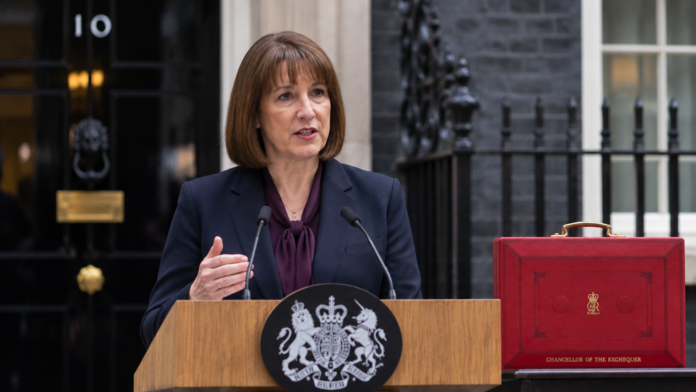
- UK Chancellor of the Exchequer John Healey is planning to raise taxes on financial institutions to generate revenue for cost-of-living assistance programs
- The tax increase strategy aims to stabilize public finances while maintaining alignment with Labour Party campaign commitments
- The proposal represents an effort to identify revenue sources that do not contradict previous electoral promises made to voters
- The measure is part of a broader government effort to address economic pressures facing British households
What Happened
UK Chancellor John Healey has announced plans to implement an increase in taxes levied on banking institutions as part of a comprehensive strategy to fund cost-of-living support initiatives and strengthen the nation’s public finances. The proposal emerges as the government seeks to identify revenue sources that remain consistent with the Labour Party’s electoral commitments and campaign pledges made to the British electorate. This approach reflects an effort to balance fiscal responsibilities with the need to provide targeted assistance to households facing economic challenges.
The tax increase on banks represents a significant policy decision aimed at generating the necessary funds for support programs while avoiding measures that would violate prior promises to voters. The strategy indicates the government’s attempt to find revenue solutions that satisfy both budgetary requirements and party platform commitments. Such an approach addresses ongoing concerns about cost-of-living pressures affecting British households across various income levels.
- Chancellor John Healey leading the tax proposal initiative
- Banking sector identified as primary target for increased taxation
- Revenue intended for cost-of-living support programs
- Strategy designed to align with Labour Party campaign pledges
Why It Matters
The proposed bank tax increase carries significant implications for the UK financial sector and broader economic policy. By targeting banking institutions for additional taxation, the government aims to generate substantial revenue without implementing measures that would directly conflict with Labour Party campaign commitments regarding income tax, national insurance, or other previously pledged protections. This fiscal approach attempts to navigate the challenge of funding social support programs while maintaining electoral credibility and party promises.
The initiative reflects ongoing government efforts to address cost-of-living pressures affecting British households, which have remained a central concern for policymakers and voters alike. The proposal demonstrates an attempt to balance fiscal stability with targeted assistance, recognizing that public finances require stabilization while citizens face genuine economic challenges. The strategy also indicates how governments seek to identify alternative revenue sources when traditional fiscal measures may conflict with prior electoral commitments or political considerations.
- Financial institutions face increased tax obligations under the proposal
- Households receiving targeted cost-of-living assistance through generated revenue
- Government attempting to maintain fiscal credibility and electoral promises simultaneously
- Public finances benefit from expanded revenue streams without conflicting with party pledges
Political and Public Context
The bank tax proposal operates within a broader context of fiscal pressure and economic uncertainty affecting the United Kingdom. Governments across various nations have explored similar strategies of targeting specific sectors for increased taxation as a means of generating revenue while attempting to maintain overall tax policy consistency with campaign promises. This approach reflects global trends in fiscal policy-making, where policymakers seek creative solutions to balance budgetary needs with political commitments.
Cost-of-living concerns have dominated political discourse across multiple democracies, with governments implementing various support measures to assist affected households. The UK proposal represents part of this broader movement to address household economic pressures through targeted government intervention. Additionally, the strategy of using sector-specific taxation reflects how modern governments attempt to distribute fiscal burdens across different economic participants rather than implementing broad-based tax increases that might conflict with previously stated policy positions.
- Cost-of-living pressures represent central policy concern across multiple nations
- Banking sector taxation used as targeted revenue strategy in various jurisdictions
- Labour Party campaign commitments shaping current fiscal policy approach
- Public finance stabilization remains ongoing government priority
What Happens Next
The implementation pathway for the proposed bank tax increase will likely involve legislative procedures and consultation processes with affected financial institutions and relevant stakeholders. Lawmakers and financial sector representatives will engage in discussion regarding the specifics of tax rate implementation, affected institutions, and transition timelines. The government will need to finalize details regarding how revenue generated through the measure will be allocated toward cost-of-living support programs and public finance stabilization efforts.
Market participants and banking sector representatives will assess the impact of increased taxation on institutional profitability and operations. International banking operations and regulatory considerations may also influence how the policy develops and adapts during implementation. The government will continue balancing fiscal objectives with economic concerns, monitoring how the tax increase affects banking activities and broader financial market conditions. Future assessments will determine whether the revenue generated meets projected targets and effectively funds intended cost-of-living support initiatives.
- Legislative procedures required to formalize and implement tax increase measures
- Financial institutions engaging in consultations regarding implementation specifics and timelines
- Revenue allocation mechanisms to be detailed for cost-of-living support programs
- Ongoing monitoring of banking sector impact and public finance outcomes necessary
