

Story Highlights
- Vivek Ramaswamy’s campaign released a controversial advertisement featuring a political opponent’s estranged family member
- The ad sparked fierce bipartisan backlash and alarm among Republican officials and strategists in Ohio
- GOP leaders warn the advertisement could damage not only Ramaswamy’s race but also affect other Republican candidates competing statewide
- The controversy highlights internal tensions within the Republican Party regarding campaign ethics and electoral strategy
What Happened
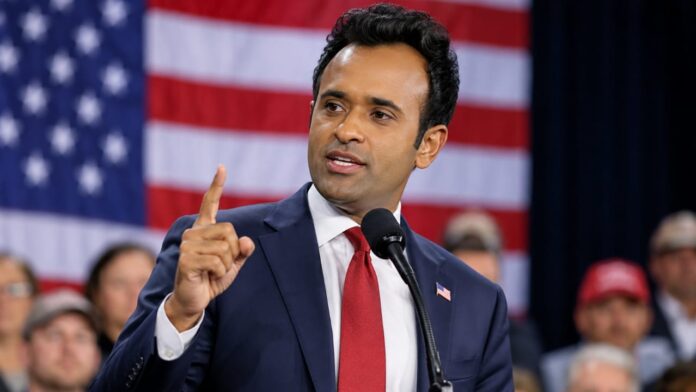
Vivek Ramaswamy’s campaign released a new advertisement that has sparked considerable alarm among Republican officials and strategists in Ohio. The ad, which debuted days after Ramaswamy spoke at a Darke County Republican Party Hog Roast event in Greenville on October 18, 2026, has drawn fierce bipartisan criticism and raised serious questions about campaign strategy and messaging decisions. The timing of this controversy—occurring weeks before major elections—has amplified concerns about momentum and voter sentiment across multiple contests simultaneously.
The advertisement centers on personal family dynamics of a political opponent, specifically referencing an estranged family member in ways that party operatives believe violate generally accepted campaign norms. This approach has generated immediate pushback from within Republican circles, with fellow GOP candidates and party leaders warning that the tactic could damage not only Ramaswamy’s race but also affect other Republican candidates competing in simultaneous elections across the state. The bipartisan nature of the criticism suggests the ad crosses conventional political boundaries regarding acceptable campaign conduct.
- Advertisement debuted in mid-October 2026, days after Darke County Republican Party event
- Content features estranged family member of political opponent
- Ramaswamy’s campaign has faced fierce criticism from fellow Republicans and bipartisan sources
- Multiple Ohio races potentially affected by fallout from the advertisement
Why It Matters
The controversy surrounding Ramaswamy’s advertisement highlights internal tensions within the Republican Party regarding campaign ethics and electoral strategy at a critical moment. Party unity becomes increasingly important as campaigns intensify heading into critical election cycles, and negative perceptions about one candidate’s tactics can create spillover effects that impact the broader Republican ticket in Ohio. When one candidate’s campaign decisions generate bipartisan criticism, it can undermine confidence in the broader party platform and messaging across all races.
Electoral success in Ohio depends significantly on party cohesion and voter perception of Republican candidates as principled and measured. Ohio has long been a crucial battleground state in American politics, with both major parties investing heavily in its races. Republican performance in Ohio races directly influences national political momentum and perceptions about party strength heading into broader elections. The controversy extends beyond typical partisan disagreement into questions about basic campaign standards and judgment, which affects how voters perceive the entire Republican slate of candidates competing in the state.
This situation demonstrates how individual candidate decisions can have cascading consequences throughout an election cycle. Other Republican candidates competing statewide must now navigate questions about whether they endorse the advertising approach or distance themselves from it. These decisions will shape voter perceptions and party dynamics heading into voting, potentially influencing outcomes across multiple races simultaneously.
- Threatens party unity and internal Republican support networks heading into elections
- Potential negative impact on other GOP candidates competing statewide in Ohio
- Raises questions about campaign judgment and strategic decision-making standards
- Affects voter perception of Republican candidates across the entire state
Political and Public Context
Ohio has long been a crucial battleground state in American politics, with both major parties investing heavily in its races. The state’s electoral significance means that controversies here receive heightened attention and can signal broader party vulnerabilities. Campaign advertisements and their reception by party members provide early indicators of candidate viability and general election competitiveness, making this moment particularly significant for assessing Republican positioning ahead of major contests.
The bipartisan nature of the backlash against this particular advertisement is noteworthy and indicates deeper concerns about campaign standards. When advertisements featuring personal family dynamics of opponents face criticism from multiple political perspectives, it often signals a violation of generally accepted campaign norms that transcend normal partisan boundaries. This context underscores why Republican Party members view the situation with particular concern—the controversy extends beyond typical disagreement about policies or positions into questions about basic ethical campaign conduct.
Campaign strategies involving personal attacks on family members have historically faced resistance across the political spectrum, reflecting a broader understanding that certain lines should not be crossed in electoral contests. The fact that GOP operatives themselves are expressing alarm suggests they fear the advertisement violates these understood boundaries, which would explain both the intensity and the breadth of criticism coming from within their own party.
- Ohio’s status as pivotal battleground state amplifies stakes for all candidates
- Bipartisan criticism suggests violation of established campaign conduct norms
- Early election cycle timing makes controversy particularly damaging to party momentum
- Party perception directly tied to individual candidate decisions and tactics
DeWine calls on Ramaswamy to take down ad featuring Acton’s motherhttps://t.co/in50MamJeD
— The Hill (@thehill) October 22, 2026
What Happens Next
The trajectory of this controversy will likely depend on how Ramaswamy’s campaign responds to the mounting criticism from within Republican circles. The coming weeks will reveal whether the campaign acknowledges concerns and adjusts its messaging strategy or continues with the current approach. Party leaders face their own decision: they may attempt to distance themselves from the advertisement while maintaining party unity, or conversely, may face pressure to take stronger positions regarding campaign standards and expectations.
Other Republican candidates competing in Ohio races will face direct questions about whether they endorse the advertising approach or distance themselves from it. These decisions will shape voter perceptions and party dynamics heading into voting. The ultimate impact on election outcomes will depend on whether voters in Ohio share the concerns of party operatives or view the controversy as a non-issue in their voting decisions. Observers will be watching to see whether the controversy gains additional traction in the coming days or gradually subsides as the election cycle progresses.
Additionally, the response from Ohio voters themselves will be crucial in determining whether this controversy affects electoral outcomes. If polling data shows that the controversy influences voter sentiment negatively, pressure will likely increase on Republican leadership to address campaign standards. Conversely, if voters prove indifferent to the controversy, its practical impact may be limited despite ongoing internal party concerns.
- Ramaswamy campaign response and potential course correction to be determined
- GOP leadership decisions regarding whether to distance from or support the advertisement
- Impact on other Republican candidates’ campaigns and their positioning
- Voter reception and polling data in Ohio to ultimately measure consequences
