

Story Highlights
- President Trump declined to confirm whether he personally contacted Elon Musk regarding Starlink restoration for Ukraine
- The president emphasized his strong working relationship with the SpaceX founder remains positive
- Starlink services have been restored to Ukraine after experiencing a significant slowdown affecting military operations
- Administration officials acknowledge the matter involves private commercial contracts and decisions made by SpaceX leadership
What Happened
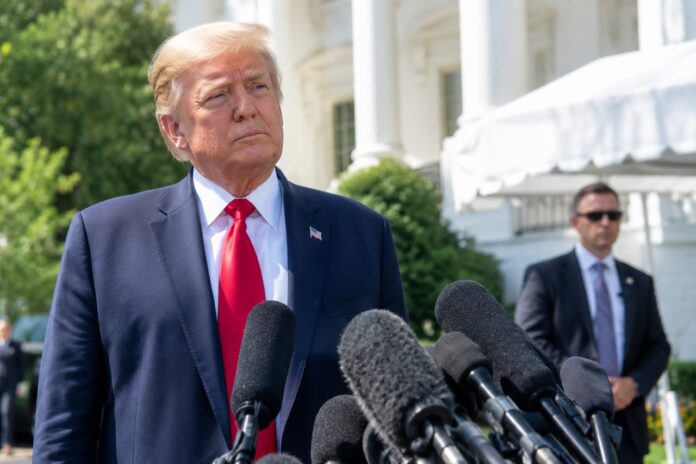
President Trump addressed reporters before departing the White House on Thursday, offering carefully measured remarks about his potential involvement in restoring Starlink services to Ukraine. When asked directly whether he had called Musk to reverse the slowdown affecting Ukraine’s military communications, the president indicated he preferred not to specify the details of any conversation. He noted that the identity of who initiated the call was ultimately less important than the fact that Starlink service had been restored. The president stated his relationship with Musk remains strong and continues on a positive trajectory.
Reports from major news outlets indicated that Trump had contacted Musk on Wednesday, expressing frustration that Starlink speeds remained capped at approximately 100 megabits per hour for Ukrainian military applications. This development came after separate reporting that Musk had personally ordered the initial slowdown of services to Ukraine. The distinction between public communications and private negotiations has remained somewhat opaque, with various accounts attempting to clarify the chain of events leading to the service restoration.
- President Trump declined to confirm direct involvement in the Starlink restoration call
- Reports indicate Trump contacted Musk on Wednesday regarding speed limitations around 100 Mbps
- Starlink services have now been restored after the recent slowdown began affecting Ukraine
- The president emphasized his positive relationship with SpaceX’s leadership
Why It Matters
Starlink satellite internet has proven to be a critical infrastructure component for Ukraine’s defensive operations against Russian military aggression. The service enables real-time communications for military personnel coordinating defense strategies and responding to drone and missile attacks. Any disruption to these services carries direct implications for Ukraine’s ability to mount effective defensive measures and protect civilian populations. The restoration of full-speed service therefore represents a meaningful contribution to Ukraine’s ongoing resistance efforts without requiring direct military deployment by Western nations.
The episode also underscores the significant role private sector capabilities play in modern geopolitical situations. Rather than relying solely on government-to-government arrangements, the United States and its allies can leverage existing commercial infrastructure operated by private companies. This approach allows for rapid response to emerging needs while maintaining clear separation between commercial operations and government policy decisions. The involvement of private industry partners like SpaceX demonstrates how American entrepreneurial leadership translates into real-world benefits for democratic nations resisting authoritarian aggression.
Furthermore, the situation highlights the administration’s pragmatic approach to supporting Ukraine. By leveraging existing relationships and focusing on commercial solutions rather than government mandates, the White House demonstrates an understanding that effective international partnerships require coordination across multiple sectors and stakeholders. This collaborative model has proven more efficient than purely bureaucratic approaches in delivering meaningful support.
- Starlink services are essential for Ukraine’s military communications and defense coordination
- Private sector involvement allows rapid deployment of critical infrastructure without direct military commitments
- The restoration demonstrates American private industry’s capacity to support democratic allies
- The approach reflects pragmatic problem-solving by the administration in supporting Ukraine’s defense efforts
Political and Public Context
The administration’s handling of Starlink and Ukraine support reflects broader policy priorities regarding technology, commerce, and international relations. Secretary of State Marco Rubio clarified that decisions regarding Starlink service parameters fall under private commercial contracts rather than government control. He noted that SpaceX retains authority over service speeds and usage terms based on the contractual agreements governing the platform. This framing emphasizes the boundaries between public policy and private business operations while acknowledging that companies like SpaceX make operational decisions affecting national security interests.
Defense Secretary Pete Hegseth similarly characterized the matter as fundamentally commercial in nature, noting that service terms and compliance obligations belong to SpaceX management. This positions the administration as supportive of Ukraine while maintaining appropriate distinctions between government mandates and private sector autonomy. The White House approach avoids overreach into commercial operations while still facilitating outcomes that benefit American strategic interests and allied defense capabilities.
These statements from senior administration officials reflect a consistent message: while the government supports Ukraine’s defensive efforts, the specific operational decisions regarding private infrastructure remain with the companies that own and operate those systems. This approach respects the independence of the business community while acknowledging that private companies can make choices aligned with national security priorities.
- Secretary of State Marco Rubio stated Starlink access terms are governed by private commercial contracts
- Defense Secretary Pete Hegseth characterized the slowdown matter as a commercial decision by SpaceX
- The administration has previously stated neither Trump nor Musk were involved in ordering the slowdown
- The broader context involves balancing support for Ukraine with respect for private sector autonomy
Donald Trump secretly called Elon Musk to beg for the removal of crippling speed restrictions on a military-grade SpaceX system used by Ukrainian defense forces, U.S. officials have revealed. https://t.co/ov7TtaHs4F
— The Daily Beast (@thedailybeast) October 23, 2026
What Happens Next
With Starlink services restored to Ukraine at full operational capacity, the focus will likely shift toward ensuring continued reliable access to this critical infrastructure. The administration will need to maintain coordination with SpaceX leadership to prevent future disruptions affecting Ukrainian military communications. The working relationship between the White House and Musk, which the president characterized as positive, will be tested by ongoing support requirements for Ukraine’s defense operations.
Questions regarding the exact sequence of communications and decision-making during the slowdown period may continue to be explored by media outlets and congressional observers. However, the resolution of the immediate service disruption allows both the administration and SpaceX to move forward focused on sustained support for Ukraine. The practical restoration of services demonstrates that differences, if any existed regarding the approach, were ultimately resolved through direct communication between decision-makers.
Looking forward, the administration may look to solidify arrangements ensuring Starlink remains a reliable tool for Ukraine’s defense efforts. This could involve ongoing dialogue with SpaceX leadership to prevent future service disruptions and ensure that operational requirements are understood and accommodated within the framework of commercial contracts and business operations. The successful resolution of this recent episode suggests that the relationships and communication channels necessary for such coordination are functioning effectively.
- Starlink services to Ukraine remain restored and require ongoing monitoring to prevent future disruptions
- Administration coordination with SpaceX leadership will continue regarding Ukraine support capabilities
- Questions about the detailed sequence of events may persist among observers and media analysts
- The practical outcome demonstrates effective problem-solving through high-level communication channels
