

Story Highlights
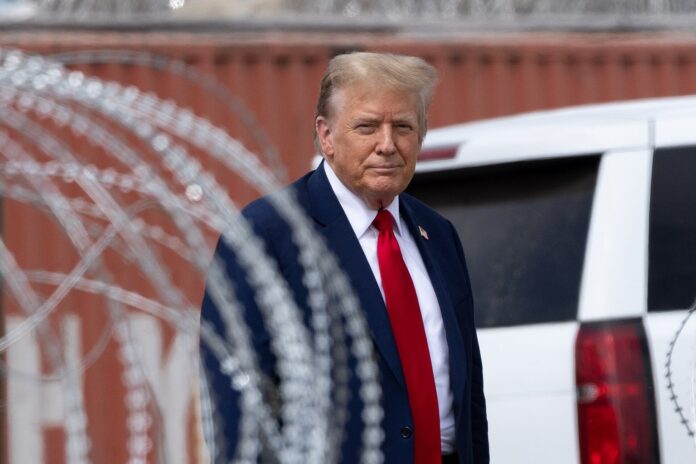
- President Trump attributed violent protests in France to uncontrolled immigration, stating the country had made a significant policy mistake
- Vice President JD Vance characterized the unrest as a failure of liberal immigration policies in Western nations
- French demonstrations began over education funding and cost-of-living concerns but escalated into clashes resulting in nearly 1,800 arrests
- The president’s position aligns with far-right European political movements while highlighting his administration’s stricter border approach
What Happened
Large-scale protests erupted across France over the weekend, beginning as demonstrations against inadequate school infrastructure and economic hardship before escalating into violent clashes with police. The nationwide unrest resulted in significant property damage, including the destruction of a historic town hall, and led to approximately 1,800 arrests across multiple cities. By Monday, authorities had implemented overnight curfews in several French cities, including parts of Paris, as officials worked to restore order.
President Trump and Vice President Vance responded to the French unrest by offering their own analysis of its underlying causes. The president, who was preparing for a campaign rally in Kansas, spoke with reporters at the White House about conversations he claimed to have had with French President Emmanuel Macron regarding immigration policy. His vice president similarly weighed in on the matter through social media, presenting his own interpretation of events across Europe.
- Nationwide protests began Saturday with student demands for teacher staffing and school infrastructure improvements
- Violence and looting led to 1,800 arrests and curfews implemented in multiple French cities by Monday
- President Trump and Vice President Vance publicly attributed the unrest to immigration and liberal policy failures
- Protests also coincided with rising fuel prices and broader economic grievances across France
Why It Matters
The administration’s response to international unrest demonstrates how geopolitical events are being framed within the broader immigration debate in American politics. By connecting European social unrest to immigration policy decisions, the president and his team are reinforcing a core policy message that has defined his administration’s approach to border security and national identity. This framing suggests that nations embracing more open immigration policies face consequences in terms of social stability and public order.
The interpretation offered by Washington stands in contrast to the stated catalysts for the French protests, which French labor unions and student organizations have primarily attributed to inadequate funding for education, rising fuel costs, and declining purchasing power. However, the administration’s perspective aligns with assessments made by far-right political movements within France itself, potentially influencing how these events resonate within European political circles ahead of France’s upcoming elections. The positioning of American immigration policy as superior to European approaches serves multiple strategic purposes within the current political environment.
- The president’s rhetoric reinforces his administration’s core immigration and border security message domestically
- International unrest is being leveraged to demonstrate consequences of what the administration views as failed liberal policies
- The framing aligns with far-right European political movements, potentially affecting French electoral dynamics before April
- American immigration policy is being positioned as a successful alternative model to European approaches
Political and Public Context
The French protests emerged from longstanding economic and social concerns that have been building throughout Europe. High school students initiated the demonstrations in response to teacher shortages and deteriorating school conditions, concerns that were subsequently endorsed and expanded by major French labor organizations seeking higher wages, lower prices, and improved pensions. The timing of these demonstrations coincided with global fuel price pressures, including disruptions to oil markets that occurred through maritime transit route complications.
Broader protest movements have simultaneously emerged across multiple European nations, including Spain, Portugal, and Italy, where young people have mobilized against underfunded public services and housing affordability challenges. These continent-wide expressions of discontent over living standards and public investment represent widespread concerns among European populations. The administration’s focus on the French situation while not addressing similar unrest elsewhere in Europe reflects a selective approach to international commentary that emphasizes specific policy narratives aligned with domestic political objectives.
- French labor unions and student organizations cite education funding, fuel prices, and purchasing power as primary grievances
- Similar protests have occurred across Spain, Portugal, and Italy over public services and housing costs
- France faces presidential succession considerations with elections scheduled for April
- Far-right National Rally party in France has offered interpretations of the unrest similar to the American administration’s perspective
FACT FOCUS: Trump and Republicans blame France’s immigrants for riots without evidence https://t.co/gc8FEArZ7C
— O.C. Register (@ocregister) October 20, 2026
What Happens Next
The international attention focused on France’s internal unrest is likely to intensify as the country approaches its April elections. The narrative being promoted by the American administration regarding immigration’s role in the protests may influence public discourse within France and potentially affect electoral dynamics. President Macron faces mounting pressure to address both the immediate security situation and the underlying economic grievances that sparked the demonstrations, all while navigating international commentary about his immigration policies.
Within the United States, the administration is expected to continue leveraging international developments to reinforce its policy positions heading toward the midterm electoral cycle. The comparative framing between American border policies and European immigration approaches will likely remain a recurring theme in campaign messaging and official statements. How the French government responds to both the immediate security crisis and the underlying economic demands will determine whether this narrative gains further traction or faces challenges as events develop.
- French government must address immediate security concerns while responding to underlying economic demands from protesters
- American administration likely to continue highlighting international unrest in immigration policy messaging
- April French elections could be influenced by current unrest and international interpretations of its causes
- Further developments in French policy responses will shape the credibility of competing narratives about immigration and social stability
