

Story Highlights
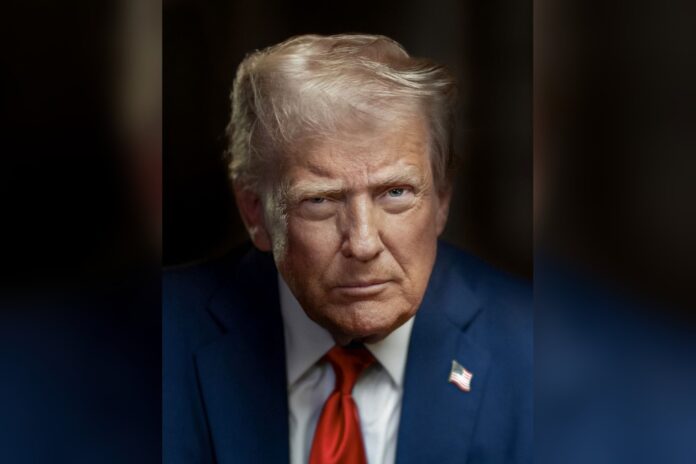
- President Trump faulted the Norwegian Nobel Committee for giving the peace prize to South African legal pioneer Navi Pillay instead of him
- Speaking at a Syracuse rally for New York Republicans, the president listed what his administration has achieved in ending conflicts in Africa and Asia
- He said the committee’s pick reflects radical ideologies that undermine democracy and harms Norway’s standing internationally
- Pillay, 85, who chaired a U.N. panel on Gaza, won the 2024 award, while Trump’s allies have campaigned for him to be honored
What Happened
At a Syracuse rally meant to boost Republican candidates in New York, President Trump sharply criticized the Norwegian Nobel Committee for giving this year’s peace prize to someone other than him. He described his time in office as producing unmatched results in resolving conflicts, citing diplomatic work in Africa and Asia. He also took credit for saving more lives than any earlier leader and suggested the Norwegian institution should have recognized those accomplishments.
The committee named Navi Pillay, an 85-year-old South African legal advocate who once led a United Nations panel, as its recipient. The president said he did not know the winner, though he offered nominal congratulations. He went on to voice disappointment that the United States, under his leadership, was not honored despite what he called an extraordinary record. He added that the Nobel Peace Prize has been permanently damaged by people he described as radical ideologues who oppose democratic principles.
- Rally location: Syracuse, New York, in support of Republican gubernatorial nominee Bruce Blakeman
- Award recipient: Navi Pillay, South African legal pioneer and former chair of a U.N. panel
- President’s claim: He should have won eight Nobel Peace Prizes for ending eight conflicts
- Timeline: The committee made its announcement on Friday, and the president spoke later that same day
Why It Matters
The Norwegian Nobel Committee’s choice bears on how the international community honors accomplishments in peace and conflict resolution. In his second term, President Trump has openly sought a Nobel Prize, and his allies have pressed the case that his diplomacy merits worldwide recognition. The committee’s decision to honor someone who worked on documenting alleged Israeli actions in Gaza reflects wider geopolitical tensions and competing views of international justice and peacekeeping. The president’s pointed reaction shows his administration’s confidence in its foreign policy record and keeps alive the debate over what qualifies for the world’s most prestigious peace award.
The dispute also reveals basic disagreements over the values the Nobel Committee weighs when it chooses winners. Critics of the committee voice concern that its decisions increasingly follow ideological preferences instead of an objective assessment of achievements. President Trump’s complaint resonates with supporters who believe his administration’s efforts to prevent conflict deserve international recognition. The broader implications touch on America’s place in global institutions and on whether the United States can expect fair treatment from organizations seen as shaped by hostile ideological currents. The episode illustrates continuing friction between the Trump administration’s worldview and international bodies viewed as promoting opposing priorities.
- Global views of American peacekeeping and diplomatic achievements remain contested
- The Nobel Committee’s selection process is under scrutiny from those who question its impartiality
- Backers of the president’s foreign policy see the decision as a dismissal of real accomplishments
- The dispute feeds wider debates over international institutions and whether they align with American interests
Political and Public Context
The Nobel Peace Prize has traditionally mirrored international consensus on major contributions to peace and human rights. Past awards have gone to sitting presidents, peace activists and international figures whose work drew wide global backing. A committee appointed by the Norwegian Parliament runs the selection process, with deliberation among experts in international relations and peace studies. In recent decades, the prize has stirred controversy when winners were tied to particular geopolitical perspectives, prompting questions about whether the institution applies universal standards or reflects the priorities of its committee members.
President Trump’s pursuit of the Nobel follows a path set by earlier American leaders who received the honor for diplomatic achievements. His administration has negotiated agreements meant to resolve conflicts in the Middle East and has pursued various diplomatic initiatives around the world. The president’s allies have actively promoted his candidacy, and some international figures have offered to share their recognition with him. Venezuelan opposition leader María Corina Machado, who received an award this year after the Trump administration backed regime change efforts, responded to the committee’s decision with remarks suggesting she might split the honor with the president. The wider context shows how Nobel deliberations have become entangled with current geopolitical alignments and the Trump administration’s foreign policy goals.
- Earlier American presidents have received Nobel Peace Prizes for diplomatic achievements and conflict resolution
- The selection process involves appointees of the Norwegian Parliament and international affairs experts
- Venezuelan opposition leader Machado’s recent award came after Trump administration support for her political positioning
- Historical precedent shows Nobel awards increasingly reflect current geopolitical debates and ideological divisions
What Happens Next
The dispute over this year’s Nobel Peace Prize decision will likely shape how the Trump administration approaches international institutions and multilateral engagement. The president’s strong reaction indicates his administration will keep pushing for recognition of what it sees as major diplomatic and peacekeeping accomplishments. Future dealings with Norwegian institutions and wider European engagement may show the tensions this decision exposed. The episode shows how the administration intends to challenge what it perceives as biased institutional decision-making, especially when international bodies fail to acknowledge American leadership in resolving conflicts.
At home, the dispute gives supporters talking points, since they see international institutions as hostile to American interests and Trump administration policies. The president’s focus on the issue at campaign-style rallies suggests he will keep citing the Nobel Committee’s decision as an example of radical ideologies influencing global institutions. Going forward, the administration may seek other forms of recognition or documentation of its foreign policy achievements through channels it controls or considers more objective. The larger question is whether future Nobel Committee decisions will draw similar criticism, or whether this moment is a one-off clash between the president’s ambitions and institutional choices that departed from his expectations.
- The administration is likely to step up criticism of international institutions it sees as ideologically biased
- Domestic political messaging will keep stressing the president’s foreign policy record against international recognition
- Future Trump administration engagement with Norwegian and wider European institutions may reflect heightened skepticism
- The controversy may lead to systematic documentation of administration peace initiatives for alternative recognition platforms
