

Story Highlights
- President Trump rebuffs Karl Rove’s warnings about GOP election strategy effectiveness.
- Trump asserts that his rallies energize supporters and boost candidate visibility.
- Rove’s concerns stem from a perceived disconnect with current political dynamics.
- Trump’s endorsements in Ohio highlight his continued influence within the party.
What Happened
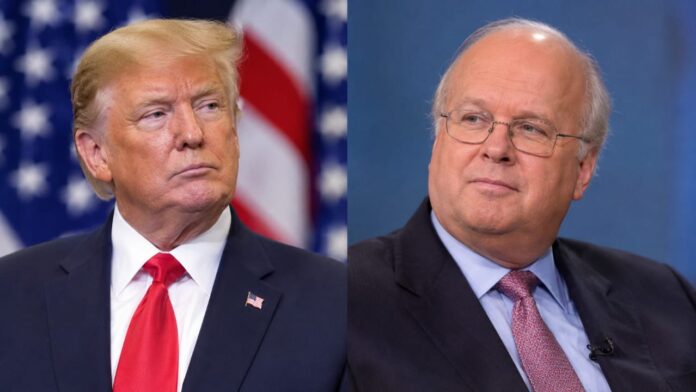
In a recent exchange that captured the attention of political analysts, President Trump took aim at veteran Republican strategist Karl Rove. This confrontation unfolded shortly after Rove expressed concerns in a Wall Street Journal column regarding the effectiveness of MAGA rallies in securing victories for GOP candidates in the upcoming midterm elections. Rove, who helped run two victorious presidential campaigns as senior adviser and deputy chief of staff to George W. Bush, warned that the rallies may not be sufficient to galvanize the broader electorate needed for a successful midterm season.
Trump’s response was characteristically blunt and dismissive. He labeled Rove as having been a loser all his life, asserting that the strategist has been out of touch with the realities of the current political landscape. The president emphasized that his rallies are powerful gatherings that energize his base and attract new supporters. He pointed to the enthusiastic crowds at his events, claiming they demonstrate strong desire for his leadership and policies.
- Trump made critical comments about Rove during a press conference on Friday.
- Rove’s column warned that Trump’s rally focus could overshadow the needs of GOP candidates.
- Trump has endorsed Sen. John Husted and gubernatorial nominee Vivek Ramaswamy in Ohio.
- Recent polling shows Husted trailing Democratic opponent Sherrod Brown by five points.
Why It Matters
This exchange is significant for several reasons. First, it highlights a growing rift within the Republican Party between traditional establishment figures and the more populist, grassroots movement. Rove’s warnings reflect concern that the party may be misreading the electorate’s mood, particularly as midterm elections approach. His assertion that rallies may not translate into votes for other candidates suggests a strategic misalignment that could have serious implications for GOP candidates across the country.
Moreover, Trump’s dismissal underscores his confidence in his approach to campaigning. The president believes his ability to draw large crowds and maintain a high profile is a crucial asset for the party. This confidence is bolstered by his continued popularity among a significant segment of the Republican base. However, the question remains whether this loyalty will be enough to secure victories in competitive races.
- Comments may alienate establishment Republicans concerned about electoral strategy.
- Internal party divisions could lead to fragmentation heading into the midterms.
- Voter turnout among less enthusiastic supporters remains critical for GOP success.
- Influence continues to shape the party’s direction and candidate endorsements.
Political and Public Context
To fully understand the implications of this confrontation, it is essential to consider the broader context of the Republican Party’s current landscape. Rove’s history as a strategist for George W. Bush’s successful campaigns gives weight to his opinions, yet his recent comments suggest a disconnect with the party’s evolving dynamics. The GOP has seen a significant shift in its base, with many voters embracing a more populist agenda.
Additionally, the upcoming midterm elections are critical for both parties, as they will determine control of Congress. With Democrats holding a slim majority, the stakes are high for Republicans hoping to regain power. Rallies have become a hallmark of current political strategy, and while they may energize core supporters, the effectiveness of this approach in swaying undecided voters remains uncertain. Rove previously announced he would vote Democrat in the Texas Railroad Commission race, citing concerns about the party facing internal challenges regarding certain viewpoints.
- Rove previously drew ire by announcing he would vote Democrat for only the second time in his life.
- Polling data indicates fluctuating support for GOP candidates in key battleground states.
- Endorsement strategy has been pivotal in shaping candidate viability and party dynamics.
- Midterm elections are viewed as a referendum on current leadership and policies.
Trump Confronted With Karl Rove's Warning His Rallies Could Backfire on the GOP https://t.co/UhIl8zapAS
— Mediaite (@Mediaite) October 23, 2026
What Happens Next
Looking ahead, the Republican Party faces several critical questions as it prepares for the midterms. Will the approach of focusing on rallies continue to resonate with voters, or will it prove insufficient in the face of more traditional campaigning strategies? The party must also grapple with how to unify its base while addressing the concerns of establishment figures like Rove, who fear that the current trajectory could jeopardize electoral success.
As the election date approaches, GOP candidates will need to find a balance between embracing populist appeal and addressing the broader electorate’s concerns. Upcoming rallies will likely remain a focal point of campaign efforts. The outcome of the midterms could significantly impact the party’s direction moving forward and reshape its leadership.
- GOP candidates will need to adapt strategies to appeal to a broader voter base.
- Upcoming rallies will likely remain a focal point of campaign efforts.
- Establishment Republicans may push for a more traditional approach to campaigning.
- Midterm results could reshape the party’s leadership and future direction.
