

Story Highlights
- U.S. forces struck Iranian missile, drone and radar sites after a drone attack on a cargo ship in the Strait of Hormuz.
- President Donald Trump called the attack a “foolish violation” of the U.S.-Iran ceasefire agreement.
- The strikes were described as limited, but they raised new doubts about whether the June 17 agreement can survive its first major test.
What Happened
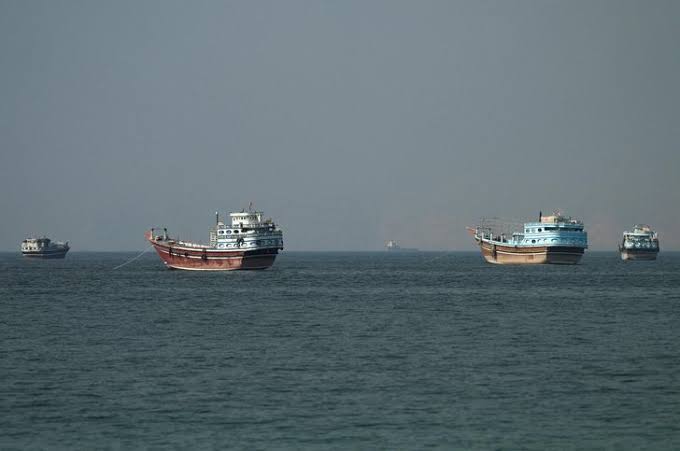
U.S. forces struck Iranian military targets after a drone attack on a cargo ship in the Strait of Hormuz tested the fragile ceasefire between Washington and Tehran.
U.S. Central Command said American aircraft hit Iranian missile storage, drone facilities and coastal radar sites.
The strikes came after President Donald Trump accused Iran of firing at least four one-way attack drones at ships moving through the strait.
- One drone reportedly damaged a Singapore-flagged cargo ship.
- U.S. forces intercepted several other drones.
- Trump said Iran’s actions violated the ceasefire signed on June 17.
Trump called the attack a “foolish violation” and said the United States would protect freedom of navigation through the Strait of Hormuz.
Reuters reported the U.S. response targeted Iranian missile, drone and radar infrastructure after the cargo-ship strike.
U.S. officials described the operation as calibrated: strong enough to punish Iran, but limited enough to avoid immediately collapsing the broader diplomatic process.
Vice President JD Vance said Iran “can pick up the phone” if it has concerns about implementing the agreement, signaling that the administration still wants talks to continue.
Why It Matters
The strikes matter because the ceasefire has now faced its first serious military challenge.
Trump has presented the June 17 memorandum as proof that his pressure campaign forced Iran toward a more durable settlement.
Iran’s drone activity in the Strait of Hormuz now tests whether that agreement has real enforcement power.
- The Strait of Hormuz is one of the world’s most important oil-shipping routes.
- Iran is trying to assert more control over passage through the strait.
- The U.S. is trying to preserve free navigation without restarting full-scale war.
For Trump, the strike sends a message that ceasefire violations will carry consequences.
For Iran, the incident shows Tehran still sees Hormuz as leverage in the broader negotiations.
For global markets, the concern is that one drone strike can quickly affect shipping confidence, insurance costs and oil-price expectations.
The balance is delicate.
A weak U.S. response could encourage more Iranian pressure.
An overly broad response could restart the war Trump says he is trying to end.
Political and Public Context
The incident comes after months of U.S.-Iran conflict that began with joint U.S.-Israeli operations in February and later shifted toward diplomacy.
Trump’s position is that military pressure made the June 17 framework possible.
His critics argue that the framework remains unstable because both sides still disagree over basic issues, including shipping control, nuclear restrictions and Iran’s regional posture.
- Supporters will say Trump enforced the ceasefire without surrendering the diplomatic track.
- Critics will say the agreement is already showing cracks.
- Congress is likely to demand more detail on the legal basis for renewed strikes.
CBS News reported Trump accused Iran of a “foolish violation” after Iranian drones targeted ships transiting the Strait of Hormuz.
ABC-affiliated reporting said the U.S. operation followed the cargo-ship strike and involved American strikes on Iranian targets tied to Hormuz operations.
The Guardian reported the U.S. described the response as limited and intended to avoid further escalation while still enforcing the ceasefire.
What Happens Next
The next question is whether Iran responds militarily or returns fully to the negotiating table.
Al Jazeera reported U.S. and Iranian officials later wrapped up indirect talks, with Tehran saying a communication channel would be established to report and discuss breaches of the memorandum.
Reuters also reported U.S.-Iran talks in Doha focused on Strait of Hormuz security and Iranian funds, though no significant long-term breakthrough was reached.
- Watch whether Iran launches new drone or missile attacks near Hormuz.
- Monitor whether U.S. forces conduct additional retaliatory strikes.
- Follow whether Doha talks produce a clearer ceasefire enforcement mechanism.
- Track shipping traffic, insurance costs and oil prices tied to Gulf risk.
For Trump, the goal is to prove that peace through strength can hold.
For Iran, the goal is to preserve leverage over Hormuz without triggering a wider U.S. campaign.
For Gulf states and global energy markets, the concern is that the ceasefire remains too fragile to guarantee predictable shipping.
The U.S. strike did not end diplomacy.
But it showed the ceasefire will be enforced by force if Trump believes Iran crosses the line.
The next few days will show whether that restores deterrence or begins another cycle of retaliation.
Sources
- ABC News: U.S. Forces Conduct Strikes on Iranian Targets Over Strait of Hormuz Drone Attack
- Reuters: U.S. Strikes Iran in Response to Attack on Cargo Ship in Strait of Hormuz
- CBS News: Trump Accuses Iran of Foolish Violation of Ceasefire
- The Guardian: U.S. Says It Struck Iran Targets After Attack on Cargo Ship
- Al Jazeera: U.S. and Iran Wrap Up Indirect Talks After Ceasefire Strain
