

Story Highlights
- Trump said new talks would take place in Doha after U.S.-Iran strikes strained the ceasefire.
- Iran denied direct talks with Washington but said it would send an expert team to Qatar.
- The discussions are expected to focus on ceasefire implementation, frozen assets, and the Strait of Hormuz.
What Happened
President Donald Trump is sending negotiators back to Doha as the U.S.-Iran ceasefire faces its most serious test yet after another round of strikes around the Strait of Hormuz.
The latest tensions followed weekend clashes in which Iran was accused of targeting commercial shipping and U.S. forces responded with strikes on Iranian military infrastructure near the strait.
Trump said Iran had requested another meeting and that talks would take place in Qatar, signaling that the administration still sees diplomacy as possible despite the military escalation.
- Trump said a Doha meeting would take place after the weekend exchange.
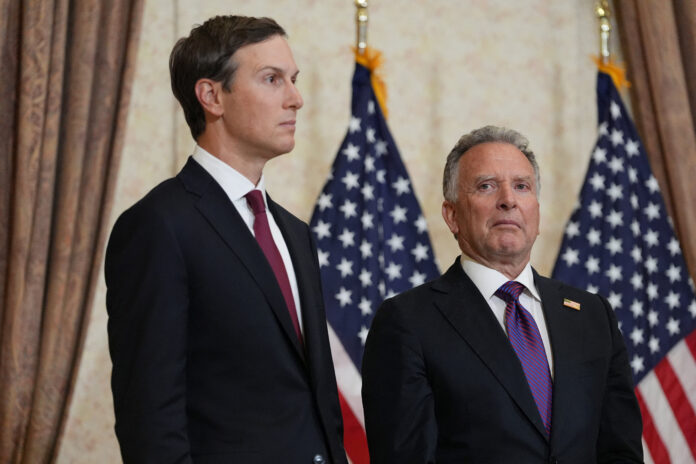
- U.S. envoys Steve Witkoff and Jared Kushner were expected to travel for talks.
- Iran said it would send experts to discuss implementation, but denied direct talks with the U.S.
The disagreement over whether the talks are direct or indirect reflects the fragile state of diplomacy. Washington is presenting the process as a continued U.S.-Iran negotiation, while Tehran is describing it as technical follow-up through intermediaries.
The broader ceasefire framework includes issues tied to shipping through the Strait of Hormuz, Iran’s nuclear program, and the possible release of frozen Iranian funds held in Qatar.
Why It Matters
The Doha talks matter because they could determine whether the ceasefire survives or collapses into a broader military confrontation.
For Trump, the strategy remains pressure backed by diplomacy. The administration is making clear that attacks on shipping or U.S. interests will bring a military response, while also leaving room for negotiations if Iran follows the agreement.
Supporters of Trump’s approach will argue that the weekend strikes show why deterrence is necessary. Iran’s actions around Hormuz created a direct threat to global shipping and required a firm response.
- The ceasefire remains active but unstable.
- Trump is using military pressure to keep Iran at the table.
- Qatar remains a key mediator because direct U.S.-Iran contact is still politically sensitive.
The situation also matters for Gulf allies. Bahrain, Kuwait, and Qatar are watching closely because any expansion of strikes could threaten their territory, military bases, or energy infrastructure.
The risk is that one more miscalculation could undo the diplomatic progress already made.
Political and Public Context
Trump has framed his Iran policy around stopping Tehran’s nuclear ambitions, protecting international shipping, and keeping military pressure available if Iran violates the ceasefire.
The return to Doha allows the administration to argue that it is not abandoning diplomacy, even after authorizing strikes against Iranian targets.
Iran, meanwhile, appears eager to secure parts of the agreement that involve frozen assets and economic relief, while avoiding the political optics of sitting directly with U.S. officials.
- Washington wants to show strength without closing the diplomatic door.
- Tehran wants financial relief while resisting direct U.S. pressure.
- Qatar’s role gives both sides a way to keep talking indirectly.
The talks also come as the Trump administration manages multiple Middle East fronts, including Lebanon, Hezbollah, Israel, and Gulf security.
That broader regional pressure makes the Doha track more important because progress with Iran could reduce risks across several connected conflicts.
What Happens Next
The next step is whether the Doha discussions produce a clear agreement on ceasefire implementation.
If the talks succeed, both sides may move toward clearer rules for shipping through the Strait of Hormuz, limits on further strikes, and a phased process for frozen Iranian funds.
If they fail, the ceasefire could weaken further, raising the chance of more U.S. strikes and Iranian retaliation.
Reuters reported that U.S. officials said Kushner and Witkoff would travel for the Doha meeting, while the talks were aimed at reinforcing the June memorandum and keeping technical discussions alive. ([reuters.com](https://www.reuters.com/world/middle-east/us-says-trump-envoys-kushner-witkoff-will-travel-iran-meeting-doha-2026-06-29/?utm_source=chatgpt.com))
For American consumers and global markets, the key issue remains Hormuz. If the strait stays open and shipping stabilizes, oil prices may ease. If another round of fighting disrupts traffic, energy costs could rise quickly.
Sources
- U.S. envoy Witkoff en route to Doha, Strait of Hormuz traffic consistent
- U.S. says Trump envoys Kushner and Witkoff will travel for Iran meeting in Doha
- Are U.S. and Iranian negotiators meeting in Doha?
- Trump claims Iran has agreed to hold peace talks in Doha after recent clashes
- U.S. and Iran agree to halt days of fighting over Strait
