

Story Highlights
- Negotiations conclude without a formal agreement
- Key differences remain unresolved between both sides
- Diplomatic uncertainty continues in the region
What Happened
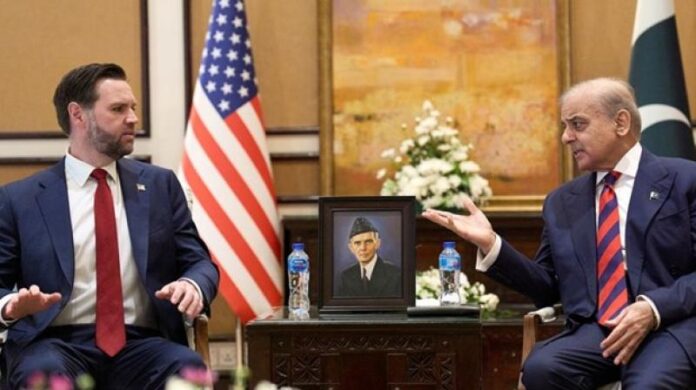
Recent diplomatic talks between the United States and Iran in Islamabad have ended without reaching an agreement, marking a setback in efforts to ease ongoing tensions. The discussions, which involved senior officials from both sides, were aimed at addressing key issues related to regional stability and security.
Despite extended negotiations, major differences remained unresolved, preventing a final deal. Officials indicated that while some areas of progress were explored, core disagreements continued to block a comprehensive agreement.
The talks were part of a broader effort to reduce tensions and establish a framework for future cooperation. However, the lack of a breakthrough highlights the complexity of the issues involved and the challenges of reaching consensus.
Both sides have not ruled out the possibility of future discussions, but no immediate timeline has been confirmed. The situation remains uncertain as diplomatic efforts continue.
Why It Matters
Diplomatic negotiations play a critical role in managing international conflicts and maintaining stability. The absence of an agreement increases uncertainty and may prolong existing tensions.
For global markets, unresolved geopolitical issues can lead to volatility, particularly in sectors such as energy and trade. Stability in these areas is closely tied to diplomatic progress.
The development also underscores the difficulty of resolving complex international disputes. Multiple rounds of negotiation are often required to address deeply rooted differences.
Additionally, continued uncertainty can impact investor confidence and economic planning.
Political and Geopolitical Impact
Domestically, the outcome of the talks may influence foreign policy discussions and strategic planning. Policymakers may reassess approaches to future negotiations.
The issue also shapes public perception regarding international engagement and conflict resolution.
Geopolitically, the lack of agreement affects regional dynamics and relationships with other countries involved or impacted by the situation. Allies and global stakeholders are closely monitoring developments.
The situation highlights the interconnected nature of global diplomacy, where outcomes can have wide-reaching effects.
Implications
If future talks resume, there may still be opportunities to reach an agreement and reduce tensions. Continued diplomatic engagement will be essential.
However, prolonged uncertainty could lead to increased risks, including potential escalation and economic impact.
In the long term, the situation emphasizes the importance of sustained dialogue and strategic negotiation. Finding common ground will be key to achieving stability.
Sources
“U.S.–Iran talks end without agreement after negotiations in Islamabad”
