

Story Highlights
- President Trump said the United States will “win” the Iran war one way or another.
- Trump said Iran must either make a deal or face the U.S. finishing the job militarily.
- Iran is holding a multi-day funeral for slain Supreme Leader Ayatollah Ali Khamenei as talks remain paused.
What Happened
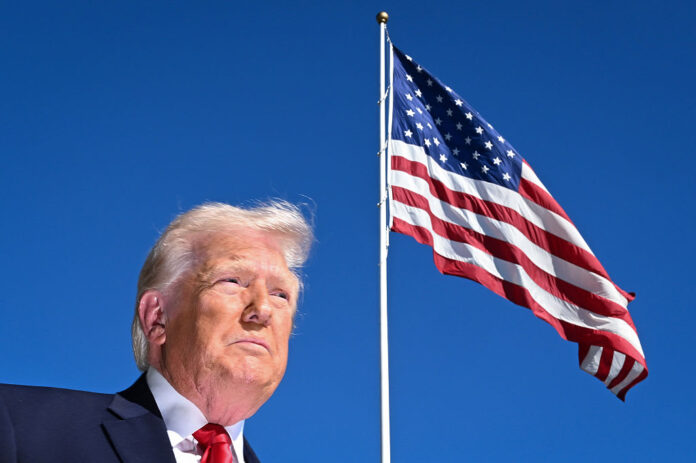
President Donald Trump declared that the United States will prevail in its conflict with Iran, saying Washington will either secure a deal or “finish the job.”
Speaking from the Oval Office, Trump said the outcome is clear: Iran can return to serious negotiations, or the United States can continue military pressure until the conflict is resolved on American terms.
His remarks came as Tehran held a multi-day state funeral for Ayatollah Ali Khamenei, Iran’s longtime Supreme Leader, who was killed along with family members in a February strike attributed to U.S. and Israeli forces.
- Trump said the U.S. will win “one way or the other.”
- He said America could either make a deal or finish the military campaign.
- Indirect talks are paused while Iran conducts funeral proceedings.
The funeral began with a public farewell at Tehran’s Grand Mosalla and has drawn foreign dignitaries, religious leaders, and large crowds of mourners. Iranian officials have suggested the ceremonies could become the largest state funeral in the country’s history.
Some mourners carried signs calling for retaliation against Trump and Israeli leaders, underscoring the pressure Iran’s leadership faces as it decides whether to resume talks or escalate after the mourning period.
Mojtaba Khamenei, the late leader’s son and named successor, has not appeared publicly, adding uncertainty to Iran’s leadership transition. Three of Khamenei’s other sons appeared at funeral events, but the absence of the new Supreme Leader has fueled questions about who is currently directing Tehran’s next moves.
Why It Matters
Trump’s statement matters because it makes clear that the administration is negotiating from strength, not retreat.
For Trump and his supporters, the message is direct: Iran cannot use delays, funerals, or leadership confusion to escape accountability. The president is keeping pressure on Tehran while still leaving room for a deal if Iran accepts serious terms.
That approach fits Trump’s broader foreign policy style — maximum pressure, clear warnings, and a willingness to use force if diplomacy fails.
- Supporters say Trump is refusing to let Iran dictate the pace of negotiations.
- The funeral period gives Tehran time to regroup, but also increases domestic pressure for retaliation.
- The uncertain leadership transition makes any future deal more complicated.
The scale of Khamenei’s funeral shows that Iran’s government is trying to project unity after a major blow to its leadership. But public calls for revenge may make compromise harder once talks resume.
For Washington, the key question is whether Iran’s next leadership can actually negotiate a binding settlement. Until that becomes clear, Trump is keeping military pressure as a central part of the U.S. position.
Political and Public Context
Trump’s remarks reinforce his argument that America should not enter negotiations from weakness.
The president has long said Iran responds only to strength. By saying the U.S. will win either through diplomacy or force, Trump is sending a message to Tehran, regional allies, and American voters that he will not accept a symbolic or incomplete settlement.
For Trump’s base, the statement is likely to be seen as strong leadership at a dangerous moment. Many supporters believe Iran has been a long-term threat to the United States, Israel, and regional stability, and they want the administration to prevent Tehran from rebuilding its power after the strike that killed Khamenei.
Critics may argue that Trump’s language risks escalating tensions during a sensitive mourning period. But the White House position is that clarity prevents miscalculation and makes it harder for Iran to test American resolve.
The issue also has domestic political implications. Continued hostilities could affect military deployments, congressional war powers debates, gas prices, and the broader midterm campaign environment.
Economic and Global Context
The Iran conflict continues to weigh heavily on global energy markets because of Iran’s position near the Strait of Hormuz, one of the world’s most important oil-shipping corridors.
Any renewed escalation could quickly raise crude prices, shipping costs, and gasoline prices for American consumers. That makes the conflict not only a foreign policy issue, but also a pocketbook issue heading into the midterms.
Trump has also criticized NATO allies for not doing more to help secure the Strait of Hormuz during the campaign, tying the Iran conflict to his broader push for greater burden-sharing among U.S. allies.
- Energy markets remain sensitive to any renewed military escalation.
- Gulf states, Israel, and NATO allies are watching Iran’s next move closely.
- Iran’s economy faces additional pressure from sanctions, war damage, and leadership instability.
The conflict has also forced regional governments to recalculate their positions. Israel and Gulf partners want to prevent Iran from regaining strength, while Iran’s remaining allies are watching to see whether Tehran’s new leadership can maintain control.
What Happens Next
The next major test will come after Iran’s funeral period ends.
Qatari and Pakistani mediators are expected to try to restart indirect talks, but the outcome will depend on whether Iran’s new leadership is prepared to negotiate seriously or chooses retaliation.
- Talks are expected to remain paused until funeral proceedings conclude.
- Mediators may attempt to restart indirect negotiations soon after.
- Trump is likely to keep military pressure in place unless Iran moves toward a serious deal.
If negotiations resume, the focus will likely be on Iran’s military posture, nuclear program, sanctions relief, and regional security guarantees.
If talks collapse, Trump’s warning suggests the United States may escalate again. For Iran, the choice is becoming increasingly stark: accept a deal from a weakened position or risk further confrontation with a president who says America will win either way.
