

Story Highlights
- U.S. initiates naval blockade targeting key maritime routes
- Move aims to secure global oil supply and trade stability
- Strategy signals stronger enforcement following failed talks
What Happened
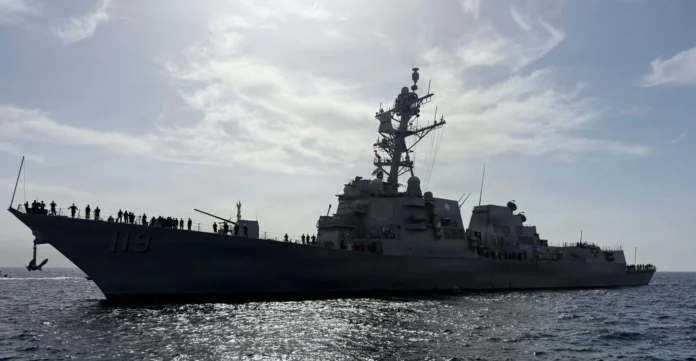
The United States has initiated a naval blockade targeting critical maritime routes in response to escalating tensions and stalled diplomatic efforts. The move, aligned with President Trump’s strategic direction, focuses on securing vital oil transit corridors and maintaining uninterrupted global trade flow.
U.S. naval forces have been deployed to monitor and control movement across key waterways, particularly in regions that are essential for global energy shipments. The blockade is designed to prevent potential disruptions and ensure that commercial vessels can operate safely.
Officials indicate that the decision follows the breakdown of recent negotiations, prompting a shift from diplomatic engagement to direct enforcement measures. The operation combines military presence with strategic positioning to maintain control over high-risk areas.
The situation remains dynamic, with international observers closely monitoring developments. The blockade represents a significant escalation in efforts to stabilize the region and protect economic interests.
Why It Matters
The security of global oil routes is critical to economic stability, as disruptions can lead to sharp increases in energy prices and supply shortages. By securing these routes, the United States aims to prevent volatility and maintain consistent supply.
For businesses, stable energy flows are essential for operations, particularly in sectors such as transportation and manufacturing. For consumers, the move may help prevent sudden increases in fuel costs.
The development also highlights the importance of maritime security in global trade. Key shipping lanes are vital for the movement of goods, making their protection a priority.
Additionally, the shift toward enforcement reflects the challenges of resolving complex geopolitical issues through diplomacy alone.
Political and Geopolitical Impact
Domestically, the decision is likely to influence discussions about national security and foreign policy. Military action in strategic regions often shapes political narratives and policy priorities.
The move may also impact public perception, particularly regarding the balance between diplomacy and enforcement.
Geopolitically, the blockade could affect relationships with multiple countries, as control over key trade routes has wide-reaching implications. It may also influence how other nations respond in terms of their own security strategies.
The development underscores the United States’ role as a major actor in maintaining global stability and protecting economic interests.
Implications
If the blockade is effective, it could help stabilize energy markets and ensure the continued flow of global trade. This would support both economic conditions and international confidence.
However, the situation carries risks, including potential escalation and increased geopolitical tension. Continued monitoring and coordination will be essential.
In the long term, the move highlights the importance of proactive security measures in managing global challenges. Maintaining stability in critical regions will remain a key priority.
Sources
“U.S. orders naval blockade targeting key oil routes amid rising tensions”
