

Story Highlights
- U.S. continues diplomatic engagement after failed negotiations
- Efforts focus on reopening dialogue and reducing tensions
- Strategy combines persistence with strategic pressure
What Happened
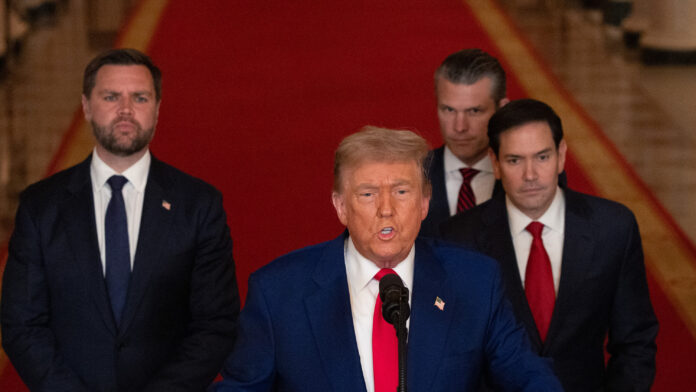
The United States is continuing its diplomatic efforts following the breakdown of recent talks with Iran in Islamabad. Despite the lack of agreement, the approach under President Trump emphasizes sustained engagement to prevent further escalation.
Officials indicate that communication channels remain open, with ongoing efforts to re-establish dialogue and explore alternative pathways for negotiation. The strategy reflects a commitment to keeping diplomacy active, even after setbacks.
At the same time, the United States is maintaining strategic pressure through its regional presence and policy positioning. This dual approach is intended to encourage renewed discussions while reinforcing U.S. interests.
The situation remains fluid, with both sides assessing next steps. While immediate progress has not been achieved, the continuation of diplomatic outreach signals an effort to avoid prolonged instability.
Why It Matters
Continued diplomatic engagement is important in managing geopolitical tensions and reducing the risk of conflict. Even after failed talks, maintaining communication can help prevent misunderstandings and escalation.
For global markets, ongoing efforts toward dialogue can provide some level of stability, particularly in energy and trade sectors that are sensitive to geopolitical developments.
The development also highlights the importance of persistence in diplomacy. Complex issues often require multiple rounds of negotiation before progress is achieved.
Additionally, balancing diplomacy with strategic pressure allows policymakers to maintain leverage while pursuing peaceful solutions.
Political and Geopolitical Impact
Domestically, the continuation of diplomatic efforts may influence discussions about foreign policy and national security. Policymakers may evaluate the effectiveness of current strategies.
The issue also shapes public perception, particularly regarding how international challenges are managed.
Geopolitically, the situation affects relationships with allies and other global stakeholders. Continued engagement may strengthen partnerships and encourage coordinated approaches.
The broader international community is closely monitoring developments, as outcomes could impact regional and global stability.
Implications
If diplomatic efforts succeed in reopening talks, they could lead to renewed negotiations and potential progress toward stability. This would benefit both geopolitical conditions and economic markets.
However, continued challenges may delay meaningful outcomes. Sustained effort and coordination will be required to move forward.
In the long term, the situation underscores the importance of resilience in diplomacy. Maintaining engagement, even during setbacks, will be key to achieving lasting solutions.
Sources
“U.S.-Iran talks end without agreement as diplomatic efforts continue”
