
Story Highlights
- The president announced he will personally fund all television advertisements promoting his administration and policies
- Funding will come from his own resources and through his MAGA Inc super political action committee
- The decision follows bipartisan criticism over the legality of using government money for political messaging
- The shift demonstrates a proactive response to concerns raised by both Democratic and Republican lawmakers
What Happened
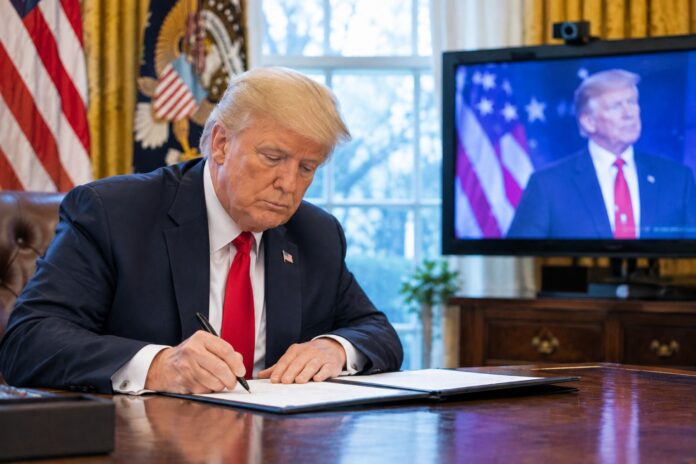
President Trump announced on Monday through social media that he will cease using federal taxpayer dollars to finance television advertisements featuring his message and policy initiatives. The decision came after mounting bipartisan criticism regarding the appropriateness and legality of funding such ads with government resources. The president stated that while he considers the advertisements to be positive promotion for the nation, he recognizes concerns from lawmakers and is taking decisive action to address them.
The announcement marked a significant shift in how his administration will finance promotional content going forward. Rather than utilizing federal funds, the White House will rely on personal resources and capital raised through his MAGA Inc super political action committee to support the advertising campaigns. This approach aligns the administration with campaign finance regulations that prohibit government money from being used for political advertising.
- More than a dozen advertisements had aired in recent weeks promoting the president’s tax cuts, manufacturing initiatives, and law and order agenda
- Democratic Senator Maggie Hassan of New Hampshire introduced a Senate measure denouncing government funding for the ads, which was blocked by a Republican colleague
- Republican Senate Majority Leader John Thune expressed concerns about the use of taxpayer funds despite appreciating the message content
- The ads included direct language stating they were paid for by the U.S. Government, which drew legal scrutiny
Why It Matters
This decision represents an important moment in establishing clear boundaries around the use of federal resources for presidential communications. Legal experts had raised concerns about the propriety of spending taxpayer dollars on advertisements whose primary purpose appeared to be promoting the president rather than addressing matters of public health or national emergency. The shift to private funding demonstrates responsiveness to legitimate legal and ethical questions while preserving the ability to communicate policy achievements to the American people.
The president’s willingness to fund these communications through private means and his political action committee shows commitment to operating within established legal frameworks while maintaining message discipline. This approach addresses the concerns raised by lawmakers across the political spectrum who questioned whether such expenditures represented appropriate uses of taxpayer dollars. By transitioning to alternative funding sources, the administration removes questions about regulatory compliance and demonstrates fiscal responsibility regarding public funds.
- Resolves legal concerns about violations of federal prohibitions on political advertising using government money
- Preserves the administration’s ability to communicate policy achievements directly to voters before midterm elections
- Demonstrates responsiveness to bipartisan criticism without abandoning core messaging priorities
- Clarifies that promotional content will now rely exclusively on campaign resources and private funding rather than federal budgets
Political and Public Context
The controversy surrounding these advertisements emerged as the nation approaches pivotal midterm elections that will determine control of Congress. The timing and content of the ads, which highlighted the administration’s achievements on economic policy, manufacturing renaissance, and law enforcement priorities, naturally attracted attention from political opponents. However, criticism transcended typical partisan lines, with Republican leaders also expressing reservations about the funding mechanism despite supporting the messages themselves.
The White House had initially defended the advertisements as educational and public service announcements comparable to previous administrations’ campaigns promoting healthcare initiatives or vaccine information. However, legal scholars noted important distinctions between ads addressing public health emergencies and those primarily designed to promote a sitting president’s political standing. The administration’s decision to adopt alternative funding represents a pragmatic recognition of these concerns while maintaining continuity in communicating the president’s policy agenda and accomplishments to the American electorate.
- Previous administrations under Presidents Obama and Biden had run government-funded advertising campaigns, though legal experts noted those addressed public health or national emergencies
- Midterm elections historically serve as referendums on presidential performance, with the sitting president’s party typically losing congressional seats
- The ads promoted specific policy achievements including tax cuts, manufacturing growth, and law and order initiatives
- Bipartisan pushback included Democratic efforts to pass Senate measures and Republican concerns about funding mechanisms
President Trump says he'll start paying for the pro-Trump ads that have blanketed the airwaves in recent weeks, using money from his super PAC instead of taxpayer dollars.
Full story at the link in our bio pic.twitter.com/kq0hGV819t— CBS News Texas (@CBSNewsTexas) October 6, 2026
What Happens Next
The transition to privately funded advertising will likely proceed without further legislative obstruction, as the administration has addressed the core concerns motivating bipartisan criticism. Advertisements promoting the president’s policies and achievements will continue through the MAGA Inc super political action committee and personal resources, ensuring that important messages about administration accomplishments reach voters. The shift removes a significant point of contention that had drawn scrutiny from both Democratic opponents and Republican colleagues concerned about proper use of taxpayer funds.
Going forward, communications strategy will operate within clearly established boundaries regarding federal funding, eliminating the legal questions that had prompted criticism. The decision positions the administration to maintain message consistency and policy promotion through appropriate channels while demonstrating commitment to fiscal responsibility and regulatory compliance. As midterm elections approach, the availability of privately funded advertising capacity will enable continued engagement with voters regarding the president’s record on the economy, manufacturing, and other priority areas.
- Future advertisements will be funded exclusively through MAGA Inc and private resources rather than federal appropriations
- Legal challenges regarding the previous advertisements’ funding sources may still proceed through courts or congressional processes
- The administration will continue policy promotion and achievement messaging using compliant funding mechanisms
- Congressional measures criticizing the previous funding approach may be revisited or formally addressed through the legislative process