

Story Highlights
- The president defended his relationship with Russian leader Vladimir Putin during a press conference in China, emphasizing its strategic importance
- He stated that maintaining connections with world leaders benefits U.S. interests and positions America advantageously
- His comments prompted significant social media reaction, with critics questioning his diplomatic priorities
- The White House maintains that presidential relationships with foreign leaders serve American national security interests
What Happened
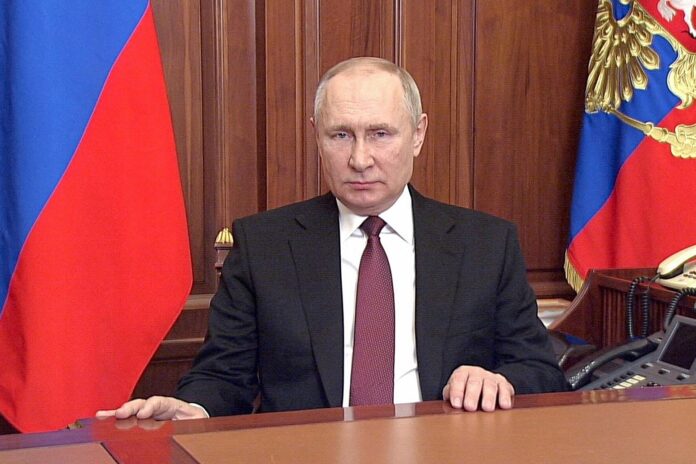
The president held a press conference following meetings with Russian President Vladimir Putin and Chinese leader Xi Jinping in Shenzhen, China. During the event, CNN reporter Kaitlan Collins raised questions about the president’s stated friendship with the Russian leader, asking whether Putin represents a friend to America. The president responded by emphasizing the value of his diplomatic relationship with the Russian president, noting that his ability to work with world leaders constitutes a strategic asset for the nation.
The president explained that he has maintained positive relations with Putin and stressed that these connections serve American interests. He characterized his approach as pragmatic diplomacy, highlighting that established relationships with heads of powerful nations provide the country with significant advantages in international affairs. His remarks centered on the practical benefits that such high-level relationships provide for U.S. foreign policy objectives.
- Press conference held in Shenzhen, China after meetings with Putin and Xi Jinping
- CNN’s Kaitlan Collins asked whether Putin is a friend to America
- The president emphasized that presidential relationships with foreign leaders benefit national interests
- He framed his diplomatic approach as strategic rather than personal
Why It Matters
The president’s emphasis on maintaining strong relationships with world leaders reflects a fundamental principle of his foreign policy approach. Strategic diplomatic relationships form the foundation of effective international negotiations, trade agreements, and conflict resolution. By prioritizing direct communication channels with major global powers, the administration seeks to advance American interests across multiple domains including economics, security, and geopolitical stability.
The willingness to engage constructively with leaders from various nations, regardless of political differences, demonstrates a commitment to pragmatic diplomacy over ideological posturing. This approach has historically enabled the United States to navigate complex international situations and secure favorable outcomes for American interests. Presidential relationships serve as direct lines of communication during critical international moments, providing opportunities for dialogue that can prevent misunderstandings and de-escalate tensions.
The strategic value of presidential relationships with foreign leaders extends to trade negotiations, military cooperation agreements, and intelligence sharing. By maintaining positive working relationships across the globe, the administration enhances its ability to coordinate responses to international challenges and advance American economic interests in an increasingly competitive global marketplace.
- Direct relationships with world leaders enable more effective diplomatic negotiations and problem-solving
- Presidential connections facilitate trade discussions and economic cooperation between nations
- Strong relationships with major powers contribute to global stability and conflict prevention
- High-level diplomatic channels provide opportunities for dialogue during international crises
Political and Public Context
The approach to international diplomacy reflects a broader philosophy that emphasizes deal-making and personal relationships in foreign policy. Throughout recent years, there has been prioritization of direct engagement with world leaders, with the belief that personal rapport facilitates more productive negotiations. This strategy contrasts with traditional diplomatic protocols that rely more heavily on institutional frameworks and formal channels.
The remarks come at a time of renewed focus on American diplomatic relationships across the globe. The administration has consistently argued that the ability to work effectively with various international players, regardless of political ideology, serves American national interests. Supporters contend that willingness to engage with leaders from different political systems demonstrates flexibility and pragmatism in advancing U.S. objectives.
The reaction to these comments reflects ongoing debates about the proper role of personal relationships in diplomacy. Supporters view a relational diplomatic approach as a strength that enhances American negotiating power, while critics question whether such relationships should take priority over other considerations. This debate continues to shape discussions about American foreign policy priorities and diplomatic strategy.
- Diplomatic approach emphasizes personal relationships with world leaders
- Direct engagement is believed to facilitate more effective international negotiations
- Pragmatic deal-making is prioritized over ideological considerations
- Ongoing debate exists about proper balance between personal diplomacy and institutional frameworks
Trump hailed his "great relationship" with Putin ahead of their historic trilateral sit-down with Chinese President Xi Jinping. https://t.co/T2VO1kgSRO
— TIME (@TIME) November 19, 2026
What Happens Next
The administration is expected to continue pursuing its strategic engagement approach with world leaders across multiple regions. Officials have indicated that willingness to maintain positive working relationships with various international players will remain central to foreign policy strategy. Future diplomatic efforts will likely demonstrate this commitment to direct engagement and relationship-building with leaders from different nations.
The White House will continue to articulate the strategic rationale behind the diplomatic approach, emphasizing how such relationships serve American national interests. Officials are expected to elaborate on how presidential relationships contribute to successful negotiations on trade, security, and other critical issues affecting the United States. The administration will likely point to concrete outcomes and achievements resulting from these diplomatic connections.
International observers will continue monitoring how relationship-focused diplomacy develops across various regions and policy areas. The administration’s approach to maintaining and expanding these relationships will shape how the United States engages with major powers on issues ranging from economic competition to security concerns. Future diplomatic initiatives will test the effectiveness of this relationship-centered strategy in advancing American objectives on the world stage.
- The administration will continue prioritizing direct engagement with world leaders
- White House officials expected to highlight diplomatic achievements resulting from presidential relationships
- International negotiations on trade and security will reflect the relationship-focused approach
- The effectiveness of this diplomatic strategy will be measured through concrete policy outcomes and agreements