

Story Highlights
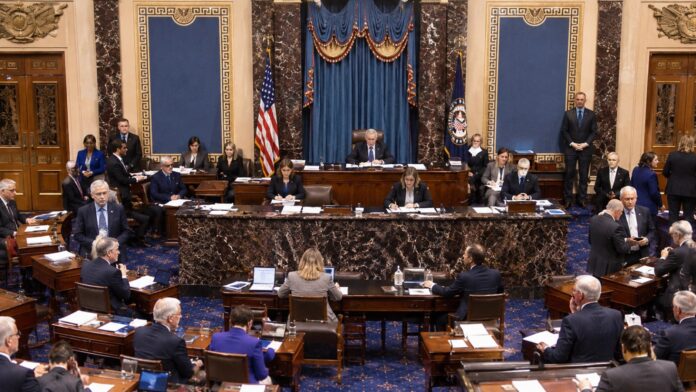
- Senate Republican leaders held a rare Friday session to advance President Trump’s judicial nominees before the holiday recess
- The administration has secured more active appellate and district judges than any previous presidency, according to GOP leadership
- Senate Majority Leader John Thune emphasized the strategic importance of lifetime judicial appointments in shaping the bench
- Republicans confirmed two judges and set up final votes on five additional nominees before departing for Thanksgiving
What Happened
Senate Republican leadership convened an unusual Friday session to expedite confirmation votes on a slate of judicial nominees selected by the White House. The chamber confirmed two judges outright and prepared final votes on five additional nominees before adjourning for the Thanksgiving break. This accelerated timeline reflects a deliberate strategy by GOP leadership to maximize judicial confirmations during the current legislative window.
The push comes as Senate leadership has identified judicial confirmations as a central priority for the remainder of the legislative term. Republican leaders have signaled their commitment to moving through the judicial confirmation process at an unprecedented pace, emphasizing that these lifetime appointments represent a defining achievement of the current administration’s judicial legacy.
- Senate Majority Leader John Thune directed the rare Friday session for judicial votes
- Two judges were confirmed, with five additional nominees prepared for final votes
- The Senate departed for Thanksgiving recess following the confirmation activity
- Senate Republican Whip John Barrasso designated judicial confirmations as the top priority for the remaining legislative session
Why It Matters
Judicial appointments carry profound long-term implications for American law and policy. Unlike executive actions that can be reversed by subsequent administrations, federal judges serve lifetime appointments and shape jurisprudence across decades. The rapid confirmation of conservative judges signals a significant restructuring of the judicial landscape, with implications for everything from regulatory interpretation to constitutional questions. The emphasis placed by Republican leadership underscores how central this judicial project has become to the administration’s broader policy agenda.
The strategy also reflects Republican recognition that time is limited for advancing judicial confirmations. With Democrats poised to gain influence, GOP leaders have framed the current window as a critical opportunity to cement judicial gains. This approach demonstrates how the Senate has transformed judicial confirmations into perhaps the most consequential partisan battleground in contemporary American politics, with each appointment representing a decades-long influence over federal law.
- Lifetime judicial appointments will shape American jurisprudence for decades to come
- Republican-appointed judges will influence regulatory interpretation and constitutional questions across multiple policy areas
- The judicial strategy represents a fundamental reshaping of the federal bench composition
- Democratic obstruction tactics have been cited as justification for accelerated confirmation procedures
Political and Public Context
The judicial confirmation push reflects a broader Republican prioritization that has evolved significantly over the past decade. What began as routine senatorial advice and consent has transformed into a strategic battleground where control of the judiciary is viewed as essential to political success. Senate Republicans have consistently emphasized that the judicial appointment process represents one of their most important responsibilities, particularly given the lifetime tenure of federal judges.
Democratic opposition to judicial nominees has intensified the partisan nature of the confirmation process. Senate Republican leadership has characterized Democratic blocking tactics as obstructionism designed to prevent conservative judges from reaching the bench. The rhetoric from GOP leaders suggests frustration with procedural delays and a determination to overcome Democratic resistance through accelerated scheduling and procedural mechanisms. This confrontational dynamic reflects the broader polarization that has come to characterize the Senate’s judicial confirmation process.
The White House has supported aggressive confirmation tactics, with administration officials regularly highlighting the unprecedented number of judges appointed. This represents a significant shift in how judicial appointments are publicly discussed, with confirmation numbers frequently cited as a measure of administrative success and accomplishment.
- Judicial confirmations have become a central partisan battleground in the contemporary Senate
- Democratic obstruction is cited as justification for Republican procedural acceleration
- The White House has actively highlighted judicial appointment totals as an administrative achievement
- Senate Republicans view judicial confirmations as among their most important constitutional responsibilities
What Happens Next
Senate Republicans will likely continue aggressive scheduling of judicial confirmation votes upon returning from the holiday recess. GOP leadership has indicated that maximizing judicial appointments remains the top priority for the remainder of the legislative term. The Senate will need to balance judicial confirmations with other legislative business, but leadership statements suggest that judges will receive precedence.
One complication involves judicial nominee T. Elliot Gaiser, who is awaiting a blue slip approval from a Texas senator. This procedural mechanism demonstrates that individual senators retain leverage to delay nominees under specific circumstances. However, Republican leadership has generally maintained unity behind the judicial confirmation agenda, suggesting that such obstacles will remain exceptions rather than the norm.
The ultimate scope of judicial confirmations will depend on Senate scheduling and the availability of nominees ready for votes. Republican leaders have pledged to leave no judicial vacancies unfilled during this legislative session, signaling an intention to move through the available nominee slate comprehensively.
- Senate Republicans will prioritize judicial confirmations upon returning from Thanksgiving break
- GOP leadership aims to confirm judges for all available vacancies before session concludes
- Individual senators retain leverage through blue slip procedures on limited nominees
- The remaining legislative calendar will determine the total number of judges ultimately confirmed