

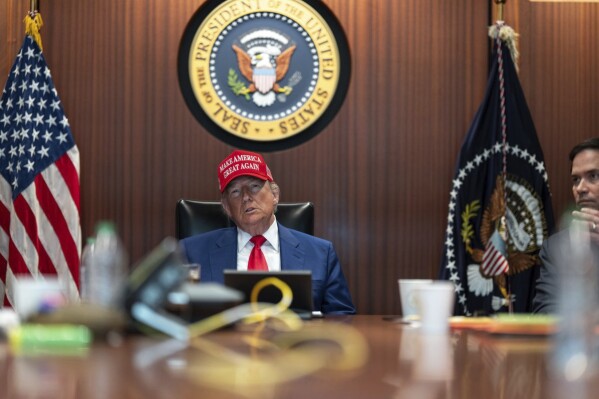
Story Highlights
- Trump orders delay of planned strikes on Iranian energy infrastructure
- Decision follows what he calls “productive” diplomatic discussions
- Move eases immediate geopolitical and oil market tensions
What Happened
President Donald Trump ordered the U.S. military to postpone planned strikes on Iranian energy infrastructure, signaling a strategic shift toward diplomacy at a critical moment. The strikes, which were reportedly under consideration as part of escalating tensions, were paused after what Trump described as “productive” discussions aimed at reducing conflict in the region.
According to officials familiar with the situation, the targeted sites included key energy facilities that play a vital role in Iran’s oil exports. Such strikes could have significantly disrupted global energy markets and escalated military tensions. Instead, the decision to delay reflects a calculated move to explore diplomatic channels before resorting to force.
The announcement comes amid heightened global attention on the Middle East, where even minor escalations can trigger widespread economic consequences. By stepping back from immediate military action, Trump positioned the U.S. as open to negotiation while maintaining strategic leverage.
Why It Matters
The decision to delay strikes carries significant geopolitical weight. Military action against Iranian energy infrastructure would likely have led to sharp increases in global oil prices, impacting economies worldwide. By choosing diplomacy over immediate escalation, the administration avoided triggering a potential energy shock at a time when global markets remain sensitive.
From a political standpoint, the move reinforces Trump’s long-standing approach of combining strong military readiness with negotiation-first tactics. Supporters argue that this strategy allows the U.S. to maintain pressure while leaving room for peaceful resolution—an approach that has been central to his foreign policy messaging.
Additionally, the decision signals to international allies that the U.S. is prioritizing stability and measured responses over rapid escalation. This could help maintain coalition support and reduce the risk of broader regional conflict involving multiple nations.
Geopolitical Implications
The delay of military action may open the door for renewed diplomatic engagement with Iran or intermediaries in the region. It also sends a signal to global energy markets that immediate disruptions are unlikely, at least in the short term, helping stabilize oil prices.
At the same time, the U.S. retains its strategic positioning. The mere preparation for such strikes demonstrates capability and readiness, which can serve as leverage in ongoing negotiations. This dual-track approach—pressure combined with diplomacy—could shape the next phase of U.S.-Iran relations.
However, the situation remains fluid. Any breakdown in talks could quickly bring military options back into consideration, meaning global markets and policymakers will continue to watch developments closely.
Implications
Trump’s decision highlights a broader strategy focused on controlled escalation and negotiation leverage. By delaying strikes, the administration preserved stability while keeping pressure on Iran, a balance that could influence both diplomatic outcomes and global economic conditions in the coming weeks.
