

Story Highlights
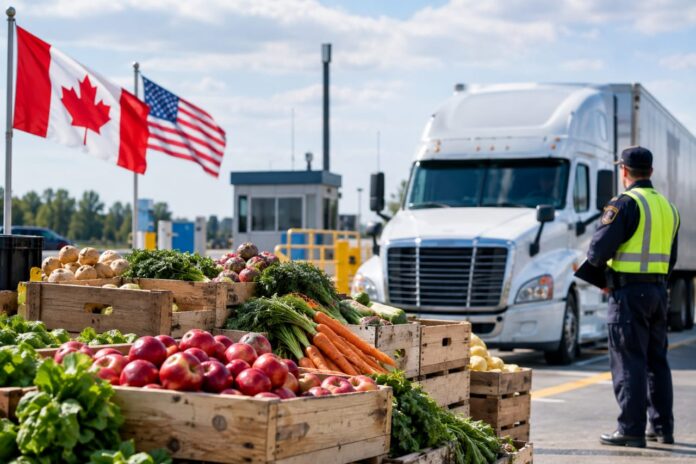
- The White House granted exemptions on tariffs affecting Canadian agricultural products, including a 50% duty reduction on key items following Canada’s withdrawal from trade negotiations in late August
- Senator Susan Collins of Maine announced the relief, highlighting exemptions on blueberries, potatoes, apples, and seaweed products critical to her state’s farming communities
- The administration simultaneously added tariffs on certain valves, carpets, and waste products to offset the duties being removed, maintaining overall trade policy balance
- The timing reflects pressure on Republican candidates facing challenging midterm races, with polls showing Democrats competitive for control of both chambers of Congress
What Happened
The Trump administration moved Friday to grant selective tariff exemptions on Canadian imports, a decision that reflected strategic consideration of electoral dynamics heading into the midterm elections. The administration rescinded 50% duties on certain agricultural products from Canada that had been imposed after the country withdrew from trade negotiations with U.S. officials in late August. This action represented a refinement of the administration’s broader tariff framework rather than a wholesale retreat from trade policy positions.
Senator Collins, facing a competitive re-election bid in Maine, became the public face of the announcement, detailing which products would receive relief. Her statement emphasized that American suppliers could not easily replace Canadian equipment and materials without incurring substantial costs to local industries. The White House simultaneously introduced new tariffs on alternative product categories, demonstrating that the policy adjustment involved rebalancing rather than simple elimination of duties.
- Tariff exemptions removed 50% duties on Canadian agricultural items including blueberries, potatoes, and apples
- Senator Collins announced the relief on social media, emphasizing impact on Maine farming and agricultural industries
- Administration added new tariffs on valves, carpets, and waste products to offset removed duties
- Action followed Canada’s withdrawal from trade negotiations in late August
Why It Matters
The tariff adjustment carries significant implications for both trade policy and domestic politics. Agricultural communities across multiple states depend heavily on Canadian suppliers for specialized equipment and materials that lack viable American alternatives. By providing targeted relief, the administration addressed genuine economic constraints faced by farming operations while maintaining its overall commitment to strategic tariff use as a trade negotiating tool. The move acknowledged that blanket tariff policies can create unintended consequences for key constituencies without abandoning the fundamental trade strategy.
Politically, the timing underscored the administration’s sensitivity to midterm electoral pressures. With polls showing Democrats positioned to compete competitively for congressional majorities, Republican candidates in agricultural and trade-dependent regions faced constituent pressure regarding trade policy impacts. The administration’s willingness to refine its approach demonstrated responsiveness to concerns raised by Republican lawmakers while preserving the credibility of its trade negotiating posture with Canada and other trading partners.
- Agricultural producers in Maine and other states gain access to Canadian equipment and materials without tariff-imposed cost increases
- Republican candidates in competitive midterm races benefit from policy adjustments affecting their key constituencies
- Administration demonstrates flexibility within its broader tariff framework, signaling potential for further targeted adjustments
- U.S. trade leverage with Canada remains intact despite selective duty reductions
Political and Public Context
The tariff situation reflects broader tensions within Republican ranks regarding trade policy during a critical electoral period. Senator Collins has occasionally maintained independence from presidential positions, and her public announcement of tariff relief gave her political distance while still crediting administration officials by name. Other Republican candidates, including those in Michigan, have similarly indicated openness to resolving trade disputes with Canada more quickly, suggesting broader concern among GOP candidates about tariff impacts on their electoral prospects.
The Democratic response, articulated through Collins’ opponent Troy Jackson, attempted to frame the relief as insufficient remediation for broader trade policy damage. This counterargument reflected the broader midterm political environment where economic issues dominated voter concerns. The administration’s approach of selective exemptions rather than comprehensive tariff withdrawal allowed it to address constituent concerns while maintaining that trade policies ultimately serve American economic interests through improved negotiating positions with foreign governments.
- Multiple Republican Senate candidates facing tight races have expressed concerns about trade war impacts on their constituencies
- Senator Collins maintains occasional public distance from presidential positions while working with administration officials privately
- Democratic opponents argue tariff exemptions represent inadequate response to underlying trade policy effects
- Trade policy remains significant midterm issue affecting agricultural regions and manufacturing-dependent communities
Just 11 days before the midterm elections, the Trump administration is rolling back a slate of tariffs on Canadian products that disproportionately hurt residents in Maine and similar states.
The new policy will exempt nine categories of products. https://t.co/lDBQzDKYyR
— The Washington Post (@washingtonpost) October 24, 2026
What Happens Next
The White House likely will continue evaluating tariff policies through the lens of both trade negotiation effectiveness and electoral considerations. Senator Collins indicated she would pursue additional tariff relief for Maine industries and encourage broader trade agreement negotiations with Canada. The administration’s approach of balancing exemptions with offsetting tariff increases suggests a framework that could accommodate further sector-specific adjustments without abandoning its fundamental trade strategy.
Attention will focus on whether additional Republican candidates successfully lobby for exemptions affecting their regions and whether the administration grants such requests heading into the November midterm elections. The Commerce Department and the Office of the U.S. Trade Representative will presumably receive increased requests for tariff review from various industries and their congressional representatives. The administration’s handling of these requests will test whether the tariff refinement represents a genuine shift in policy approach or a limited electoral accommodation.
- Senator Collins plans to seek additional tariff exemptions and pursue broader trade agreement with Canada
- Other Republican candidates may follow Collins’ model, lobbying for sector-specific tariff relief before November
- Administration will balance electoral and trade policy considerations in responding to additional exemption requests
- Midterm election results will likely influence whether broader tariff policy reforms follow the November races
