

Story Highlights
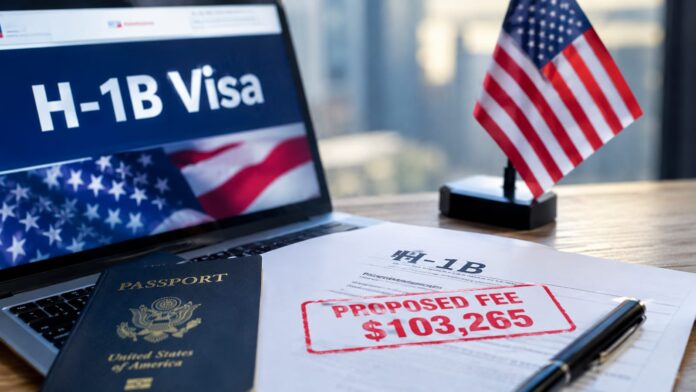
- The Trump administration proposed a $103,265 fee for new H-1B visa petitions to fund federal immigration system operations
- A federal judge in Boston blocked the temporary $100,000 fee imposed last year, with the White House planning an appeal
- The policy seeks to prioritize U.S. workers while recovering government costs for visa adjudication and vetting
- The proposed permanent rule could be finalized by year’s end despite ongoing legal challenges
What Happened
The Trump administration moved forward with a formal proposal to establish an unprecedented $103,265 fee for H-1B visa petitions subject to the annual statutory cap. The Department of Homeland Security unveiled this initiative on Monday, with the proposed rule scheduled for publication in the Federal Register. This action represents an effort to codify a temporary fee structure that was first imposed through presidential proclamation last year but has encountered significant legal obstacles.
The proposed fee would apply to all cap-subject H-1B petitions, including those eligible for the advanced-degree exemption. According to DHS officials, the revenue generated would be directed toward covering the federal government’s administrative costs related to the legal immigration system, with expenses distributed across multiple agencies including the Department of Justice, Department of State, and Department of Labor. The fee would represent a dramatic increase from the previous charges of $2,000 to $5,000 that employers historically paid for such petitions.
- DHS proposed a permanent $103,265 fee for H-1B cap-subject petitions on Monday
- Federal Judge in Boston blocked the temporary $100,000 fee in June, deeming it an unauthorized tax
- Previous H-1B fees ranged from $2,000 to $5,000 before the policy change
- The proposed rule could be finalized by the end of the current year
Why It Matters
This initiative addresses a critical priority within immigration reform: ensuring that the legal immigration system operates efficiently while protecting American workers. By substantially increasing the cost of hiring foreign workers through the H-1B program, the administration aims to make employers consider domestic talent more seriously while simultaneously generating revenue to strengthen the vetting and adjudication processes. The H-1B program serves industries heavily dependent on specialized talent, including technology, education, and research sectors, making the fee structure consequential for business operations across the nation.
The proposal reflects a broader White House commitment to rebalancing the immigration system in favor of American citizens and legal permanent residents. Rather than relying on general taxpayer funds to support immigration administration, the fee model ensures that employers who benefit from accessing foreign workers contribute directly to the costs of processing, vetting, and supporting the programs they utilize. This approach aligns with administration policy objectives to prioritize American workers while maintaining an orderly legal immigration process.
- The fee encourages employers to prioritize U.S. worker recruitment before seeking foreign talent
- Revenue generated strengthens federal capacity for immigration adjudication and security vetting
- Technology, education, and research sectors face higher hiring costs for specialized foreign workers
- The proposal shifts immigration system funding from general taxpayers to employers utilizing foreign worker programs
Political and Public Context
The H-1B program has long been a focal point in American immigration debates, with supporters contending that specialized workers fill genuine skill gaps while critics argue the program depresses wages for American professionals. The Trump administration’s approach reflects a consistent policy emphasis on restricting immigration and prioritizing domestic workforce development. This proposal follows the temporary fee imposition through executive proclamation, which demonstrated the administration’s willingness to use available regulatory authority to advance immigration priorities.
The legal challenges present a significant hurdle for the initiative. A federal judge in Boston ruled that the temporary fee structure constituted an unauthorized tax requiring congressional approval, a determination that threatens the permanence of any fee regime. However, the appeals process remains ongoing, with one appellate court reviewing the initial judge’s decision while a separate proceeding addresses whether a business group’s challenge was properly dismissed. The administration’s strategy of pursuing both the appeal of the temporary measure and the formal regulatory proposal demonstrates a multi-pronged approach to establishing this policy despite judicial opposition.
- Federal courts have questioned the administration’s authority to impose such fees without explicit congressional authorization
- Business groups have mounted legal challenges to the fee structure
- The temporary fee expires next month, creating urgency around the permanent regulatory proposal
- Appeals processes continue on multiple fronts regarding the fee’s legality and implementation
Trump administration lays out new $103K fee proposal for H-1B visas https://t.co/eqJ9ZBt12Y
— The Hill (@thehill) August 25, 2026
What Happens Next
The proposed rule will enter the standard regulatory process, allowing for a public comment period before finalization. The administration indicated that the policy could be completed by the end of the year, though the timeline may be affected by ongoing litigation. The appeals court’s decision on the temporary fee will likely influence the prospects for the permanent regulatory approach, as a favorable appellate ruling could strengthen the legal foundation for the policy.
Employers in affected industries are expected to closely monitor developments, as the final implementation would substantially alter hiring economics for positions requiring H-1B sponsorship. The resolution of pending court challenges will determine whether the fee remains at the proposed $103,265 level or faces further modification. Additionally, Congress may consider legislation addressing the fee authority issue, either affirming the administration’s approach or restricting it, depending on broader immigration policy discussions in the legislative branch.
- Public comment period will follow Federal Register publication of the proposed rule
- Appellate court decisions on the temporary fee structure will influence the permanent proposal’s viability
- Potential finalization targeted for the end of the calendar year
- Congress could address the legal authority question through legislation
