

Story Highlights
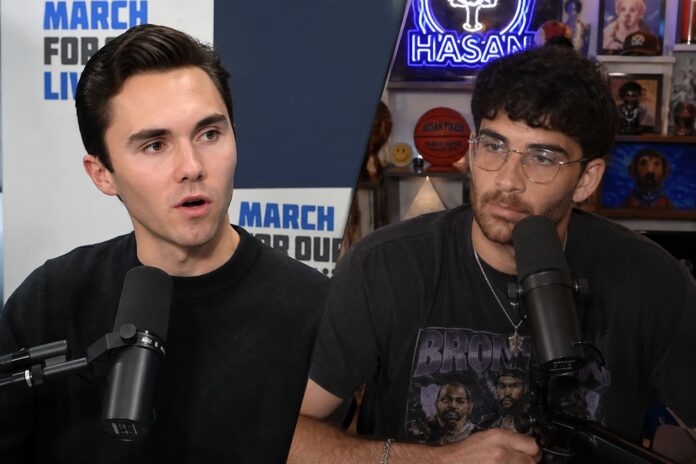
- Activist David Hogg expressed concern about extensive media coverage focused on left-wing content streamer Hasan Piker
- Hogg suggested the media spotlight on Piker represents a distraction from more significant political issues involving elected officials
- The streamer has gained prominence after appearing with multiple Democratic primary candidates in recent months
- Moderate Democratic figures have recently criticized Piker’s political activism and campaign involvement
What Happened
David Hogg, a prominent activist, raised questions about the level of media attention directed toward Hasan Piker, a left-wing content streamer who has become increasingly visible in Democratic political circles. Hogg expressed his perspective during a discussion with media personality Jack Cocchiarella, indicating that he finds the substantial focus on Piker unusual given his status as a non-elected entertainer rather than an official holder of political office.
Hogg emphasized that numerous elected officials are making controversial statements that warrant media attention instead of concentrating coverage on a content creator with limited recognition among average voters. He noted that the median voter possesses little awareness of Piker’s identity and that this dynamic reveals broader challenges within the Democratic Party regarding the development of cohesive political messaging and vision.
- Hogg conveyed his perspective to Jack Cocchiarella during a recent media appearance
- Piker has campaigned with multiple Democratic primary candidates in recent months, including Michigan Democratic Senate nominee Abdul El-Sayed
- El-Sayed won his recent race against Representative Haley Stevens
- Moderate Democrats including Representative Jared Moskowitz and Senator John Fetterman have publicly criticized Piker
Why It Matters
The commentary from Hogg highlights an ongoing tension within Democratic political circles regarding how media resources and public attention are allocated during election cycles. The concentration of coverage on a content creator rather than on substantive policy discussions or the statements of elected officials raises questions about media priorities and how campaign narratives develop in the digital age. This dynamic may affect how voters receive information about candidates and their positions on issues.
Hogg’s observation also reflects internal party debates about messaging strategy and political identity. His assertion that moderate Democrats lack a distinct vision beyond centrist positioning suggests ongoing friction between different ideological factions within the party. The prominence of streamers and digital influencers in political campaigns represents a shift in how candidates reach voters, particularly younger demographics, but this development has prompted concern among some party figures about the appropriate role of such figures in electoral processes.
- Media attention on non-elected streamers potentially displaces coverage of elected officials’ statements and policy positions
- The rise of content creators in campaign activities reflects changing voter engagement patterns and generational communication preferences
- Internal party divisions regarding political strategy and messaging coherence become more visible through public criticism
- Campaign finance and influence dynamics shift as digital personalities gain increased visibility in primary contests
Political and Public Context
Piker’s growing involvement in Democratic primary campaigns represents a recent phenomenon in American political activism. The streamer has leveraged his online platform to support candidates he views as aligned with progressive policies, and several of these candidates have achieved notable primary victories. This trend illustrates how digital media platforms and online personalities have become increasingly significant in contemporary electoral politics, particularly in mobilizing younger voters.
The streamer’s history includes controversial statements made years earlier, including remarks about historical events that generated significant backlash. However, Piker has indicated a willingness to reconsider how he expressed such positions. Meanwhile, establishment and moderate Democratic figures have responded with criticism, viewing his campaign involvement as problematic or outside the bounds of appropriate political activity by non-elected figures.
Hogg’s intervention in this debate positions him as attempting to redirect public discourse toward what he considers more consequential political matters. His criticism of moderate Democrats’ lack of clear political vision reflects longstanding tensions between progressive and establishment wings of the party regarding policy priorities, campaign strategy, and the proper direction of Democratic political messaging.
- Piker’s campaign appearances with primary candidates represent an evolving model of celebrity and streamer involvement in electoral politics
- Several candidates supported by Piker have won recent primary elections against establishment-backed opponents
- Historical controversy surrounding Piker’s previous statements continues to influence public and political perception of his current activities
- Internal Democratic Party debates about political identity and messaging strategy remain active and visible through public statements
David Hogg: Media focus on Hasan Piker 'kind of weird' #TheHill https://t.co/9p1Qv83DYg
— #TuckFrump (@realTuckFrumper) August 24, 2026
What Happens Next
The trajectory of Piker’s involvement in future Democratic campaigns remains uncertain, particularly given the mixed reactions from party figures. Some Democratic officials have signaled opposition to his continued participation in campaign activities, while others appear to tolerate or support his engagement with preferred candidates. The outcome of upcoming elections in which Piker plays an active role will likely influence whether his model of political activism becomes more normalized or faces increasing institutional resistance.
Media coverage patterns regarding political figures, both elected and non-elected, will continue to evolve as digital platforms and content creators maintain expanding influence in electoral processes. The debate initiated by Hogg and others about appropriate media priorities and the relative newsworthiness of different political actors may influence how news organizations allocate resources and editorial attention. Additionally, Democratic Party leadership may address internally how non-elected influencers and streamers participate in campaigns and whether formal guidelines should govern such involvement.
- Upcoming Democratic primary and general election results will demonstrate the electoral impact of Piker’s campaign involvement and digital activism
- Media organizations may reassess editorial priorities regarding coverage of streamers versus elected officials based on public criticism and audience response
- Democratic Party leadership may develop formal or informal policies regarding appropriate roles for non-elected digital influencers in campaign activities
- The broader evolution of digital media’s role in political campaigns will continue as platforms and audiences expand
