

Story Highlights
- President Trump is heading to Ankara for the 36th NATO Summit with major meetings planned with Zelenskyy and Erdogan.
- The summit comes after Trump held separate calls with Zelenskyy and Putin during a renewed push to end the Ukraine war.
- Trump is expected to press NATO allies on defense spending while reviewing America’s military footprint in Europe.
What Happened
President Donald Trump is traveling to Ankara, Turkey, for a high-stakes NATO summit focused on Ukraine, alliance spending, and America’s future military posture in Europe.
The 36th NATO Summit is scheduled for July 7–8 and will bring together leaders from all 32 member states. The gathering will be chaired by NATO Secretary General Mark Rutte and hosted by Turkish President Recep Tayyip Erdogan at the Beştepe Presidential Compound.
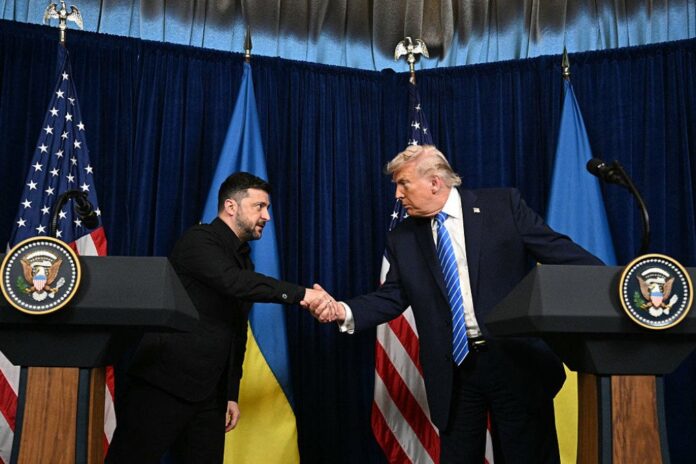
Trump is expected to meet Erdogan on Tuesday before the main summit session begins. He is also scheduled to hold a major Wednesday meeting with Ukrainian President Volodymyr Zelenskyy as the White House pushes for progress toward ending the war with Russia.
- Trump will attend the summit alongside leaders from all NATO member states.
- He is expected to meet Erdogan, Zelenskyy, and other foreign leaders while in Ankara.
- The White House says Trump will hold a news conference before returning to Washington.
The trip follows a burst of diplomacy over the holiday weekend. Trump spoke with Zelenskyy on July 4, and the Ukrainian leader later said there was “a real prospect” of ending the war. Trump also held a nearly 90-minute call with Russian President Vladimir Putin, which Kremlin officials described as constructive.
A senior U.S. official said Trump feels urgency to end the war, especially as the front line in Ukraine has largely stagnated. The administration is expected to continue discussions with Putin after Trump meets Zelenskyy in person.
Trump is also expected to meet Syrian President Ahmad al-Sharaa while in Ankara, though U.S. officials have not publicly detailed the agenda for that meeting.
Why It Matters
The summit matters because Trump is using the NATO gathering as a platform to push for peace in Ukraine while also demanding more responsibility from America’s allies.
For Trump supporters, the trip reflects the president’s foreign policy style: direct talks, pressure on allies, and a focus on ending costly conflicts rather than allowing them to drag on indefinitely.
The planned Zelenskyy meeting could be especially important. Ukraine has relied heavily on U.S. and NATO support during the war, and any signal from Trump about future assistance or ceasefire terms could influence battlefield strategy and diplomacy.
- Trump is trying to revive momentum toward a Ukraine ceasefire.
- NATO allies are watching closely for signals on U.S. support and troop posture.
- The president is also pressing Europe to carry more of its own defense burden.
Trump’s criticism of NATO spending will also be central to the summit. He has repeatedly argued that European allies must contribute more to their own defense, and the administration is reviewing whether the U.S. military presence in Europe should be adjusted.
That message has unsettled some European leaders, but it also reinforces one of Trump’s long-standing arguments: America should not carry the alliance while other wealthy nations fall short on defense commitments.
Political and Public Context
Trump’s NATO trip gives him a chance to show voters that his administration is actively working to end the Ukraine war while still protecting American interests.
The president has often argued that previous U.S. leaders allowed foreign conflicts and alliance obligations to drain American resources. In Ankara, Trump is expected to make the case that NATO can remain strong only if allies pay more and accept greater responsibility.
The meeting with Zelenskyy will be watched closely in Washington and Europe. If Trump can move both Kyiv and Moscow closer to a ceasefire framework, the administration could claim a major diplomatic breakthrough.
At the same time, the force posture review adds pressure to the talks. U.S. officials have confirmed that a Pentagon-led review could lead to changes in American troop deployments across Europe within months.
For Trump’s base, that review supports the idea that U.S. foreign policy should be measured by clear American benefit, not automatic commitments.
What Happens Next
The biggest immediate test will be Trump’s meeting with Zelenskyy and whether it produces a clearer path toward ceasefire negotiations with Russia.
Trump is expected to follow up with Putin after the Ankara talks, making the summit a possible turning point in the administration’s effort to end the war. Any progress could affect energy markets, refugee flows, defense spending, and the future of NATO’s eastern flank.
- Trump will meet Zelenskyy to discuss possible steps toward ending the Ukraine war.
- The administration may continue pressing NATO allies to increase defense spending toward higher targets.
- The Pentagon’s force posture review could reshape America’s military presence in Europe.
For NATO allies, the summit is a test of whether they can adapt to Trump’s tougher burden-sharing demands while staying united against Russia. For Ukraine, it is a chance to secure Trump’s continued engagement at a critical stage of the war.
For Trump, Ankara offers an opportunity to present himself as the leader pressing both allies and adversaries toward a deal — while insisting that America’s commitments must serve American interests first.
