

Story Highlights
- Office demand remains weak in major cities
- Vacancy rates stay elevated across commercial spaces
- Market adjusts to long-term workplace changes
What Happened
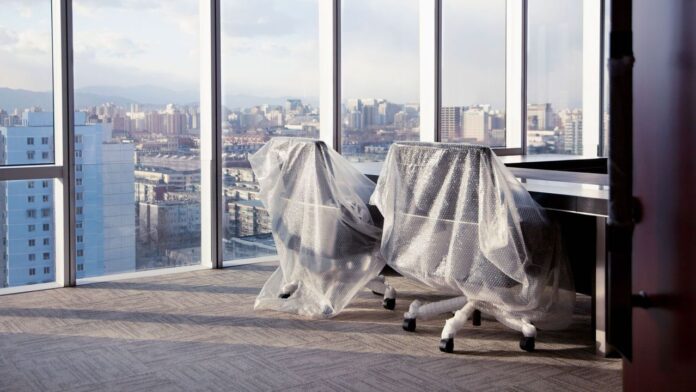
Commercial real estate in major U.S. cities continues to face pressure as demand for office space remains subdued. Vacancy rates have stayed elevated, reflecting ongoing shifts in workplace patterns and business operations.
Many companies are maintaining hybrid or remote work models, reducing the need for large office footprints. As a result, landlords are experiencing lower occupancy levels and are adjusting leasing strategies to attract tenants.
Property owners are offering incentives such as flexible lease terms and upgraded amenities to remain competitive. Some buildings are also being repurposed for alternative uses, including residential or mixed-use developments.
Despite these adjustments, recovery in the sector has been gradual. Market conditions vary by location, but overall trends indicate continued challenges for urban commercial real estate.
Why It Matters
Commercial real estate is a significant part of the economy, influencing investment, employment, and urban development. Changes in demand can have wide-reaching effects.
For businesses, reduced office needs can lower costs and increase flexibility. For property owners, lower demand creates financial pressure and requires adaptation.
The development also highlights evolving work trends. The shift toward remote and hybrid models is reshaping how companies use physical space.
Additionally, real estate conditions can impact local economies, particularly in cities that rely on business districts.
Political and Geopolitical Impact
Domestically, changes in commercial real estate may influence policy discussions around urban planning, zoning, and economic development.
The issue also affects public perception, particularly regarding the future of cities and workplace environments.
Geopolitically, while primarily a domestic issue, trends in U.S. real estate can influence global investment patterns. International investors often monitor these developments.
The situation reflects broader global trends, where cities are adapting to new work models.
Implications
If current trends continue, the commercial real estate sector may undergo significant transformation, including repurposing and redevelopment of properties.
However, prolonged pressure could impact financial stability for property owners and investors.
In the long term, the shift highlights the need for adaptability in urban planning. Aligning real estate use with changing demand will be essential.
Sources
“Commercial real estate faces ongoing pressure as office demand remains weak”
