

Story Highlights
- U.S. promotes manufacturing through targeted policy incentives
- Focus on boosting domestic production and industrial capacity
- Strategy aims to strengthen jobs and economic resilience
What Happened
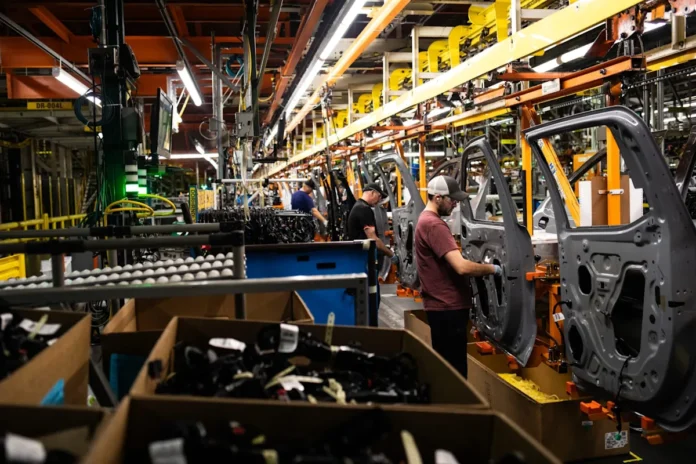
The United States is advancing a policy approach focused on boosting domestic manufacturing through a series of targeted incentives. Under President Trump’s economic direction, the strategy emphasizes increasing industrial output and encouraging companies to expand operations within the country.
Recent measures include tax incentives, regulatory adjustments, and support for key industries such as steel, electronics, and automotive production. These initiatives are designed to make domestic manufacturing more competitive and attractive compared to overseas alternatives.
Officials indicate that the policy aims to address long-standing concerns حول supply chain dependence by encouraging companies to localize production. The effort also seeks to strengthen critical industries that play a key role in national economic security.
Businesses are responding by evaluating opportunities to invest in new facilities and expand existing operations. While implementation is ongoing, early signals suggest increased interest in domestic production.
Why It Matters
Manufacturing is a cornerstone of economic growth, providing jobs, supporting supply chains, and contributing to national output. Strengthening this sector can have wide-reaching benefits across the economy.
For workers, increased manufacturing activity can lead to job creation and improved employment opportunities. For businesses, domestic production can reduce logistical risks and improve efficiency.
The strategy also highlights the importance of supply chain resilience. By reducing reliance on imports, the United States can better manage disruptions and maintain stability.
Additionally, manufacturing growth can drive innovation, as companies invest in new technologies and processes to remain competitive.
Political and Geopolitical Impact
Domestically, manufacturing policy is a key topic in economic discussions, often linked to job creation and industrial competitiveness. The initiative may influence legislative priorities and policy debates.
The focus on domestic production can also shape public perception, particularly in regions where manufacturing plays a significant role in local economies.
Geopolitically, efforts to strengthen domestic industries may impact global trade relationships. Changes in production patterns can influence supply chains and international economic dynamics.
The approach reflects broader trends in economic policy, where countries are prioritizing self-sufficiency and resilience.
Implications
If successful, the policy could lead to a stronger manufacturing base, supporting long-term economic growth and stability. Increased domestic production may also reduce vulnerability to external disruptions.
However, the effectiveness of these measures will depend on factors such as cost competitiveness and global market conditions. Companies will need to balance domestic and international considerations.
In the long term, the focus on manufacturing highlights the importance of sustainable industrial growth. Continued investment and innovation will be essential to maintaining progress.
Sources
“U.S. pushes manufacturing growth through new policy incentives”
