

Story Highlights
- Washington DC bomb squad and K-9 unit responded to a suspicious device near Tenleytown fire station Wednesday morning
- Wisconsin Avenue was closed between 40th Street and Warren Street for approximately two hours during rush hour
- Authorities determined the object was an electronic device unrelated to any threat after examination
- The incident caused significant traffic disruption affecting multiple lanes in both directions
What Happened
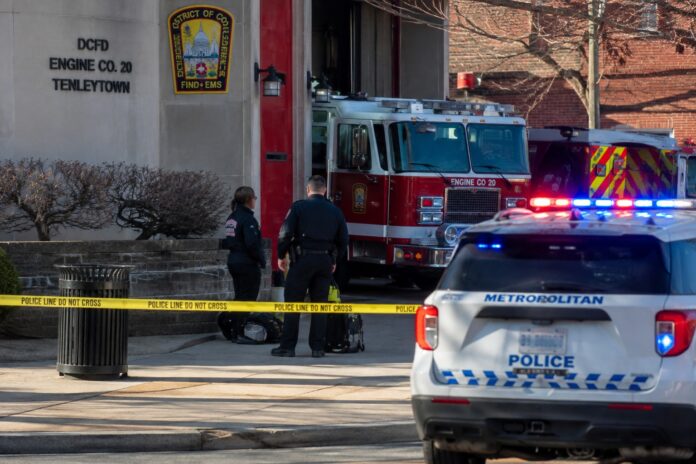
A suspicious object discovery near a Washington DC fire station prompted an emergency response that brought major roadway traffic to a halt during Wednesday morning commute hours. The incident began around 7 a.m. when a witness reported observing someone place a suspicious package into a trash receptacle located near the Tenleytown fire station. The object was described as a blue-and-black electronic device with exposed wires that had been left near an employee at the rear of DC Fire and EMS Engine 20 station.
The Metropolitan Police Department’s bomb squad and canine unit were dispatched to investigate the potential threat. As a precautionary measure, authorities shut down Wisconsin Avenue between 40th Street and Warren Street, preventing vehicle traffic from flowing through the area. Several adjacent streets also experienced lane closures in both directions. The roadway remained closed for nearly two hours while specialized personnel conducted their examination and assessment of the device.
After thorough investigation, authorities determined that no explosive threat existed. The device was subsequently identified through police incident reports as an electronic item without any connection to public safety concerns. No injuries were reported during the incident, and the scene was cleared once authorities confirmed the all-clear status.
- Incident occurred at approximately 7 a.m. Wednesday near Tenleytown fire station
- Wisconsin Avenue closed between 40th Street and Warren Street for nearly two hours
- Metropolitan Police bomb squad and K-9 unit responded to investigate
- Authorities determined no threat existed after examination
Why It Matters
This incident underscores the challenges facing law enforcement and emergency responders in urban environments where distinguishing between genuine threats and false alarms remains a critical operational concern. When unknown devices with suspicious characteristics are reported, authorities must treat each situation with appropriate caution and deploy specialized resources to ensure public safety. The response demonstrates standard protocols that require thorough investigation before all-clear determinations can be issued to the public.
The two-hour traffic disruption affected thousands of commuters during peak morning hours, highlighting how emergency responses can create significant economic and logistical impacts on urban transportation networks. While false alarms are inevitable when safety protocols are followed properly, they illustrate the ongoing demand on emergency services and the practical consequences of threat investigations in densely populated areas. The incident serves as a reminder of the importance of proper device disposal and the need for public awareness regarding how suspicious items should be reported to authorities.
- Demonstrates standard emergency response protocols for unidentified suspicious devices
- Created significant traffic delays affecting thousands of commuters during morning rush hour
- Highlights ongoing operational challenges for bomb squads and K-9 units in urban settings
- Illustrates the importance of proper hazardous material and device disposal procedures
Political and Public Context
Urban areas across the United States routinely experience device-related security incidents that trigger emergency responses. Law enforcement agencies have established comprehensive protocols for investigating suspicious packages and electronic devices to protect public safety. These procedures prioritize caution and require detailed examination before areas can be reopened to normal traffic patterns. The investment in specialized training, equipment, and personnel for bomb squad operations remains a significant component of municipal emergency management budgets.
False alarm incidents of this nature are not uncommon in major metropolitan centers where vigilant citizens report suspicious activity. Public awareness campaigns encourage residents to contact authorities when they observe concerning packages or devices, creating situations where emergency resources must respond to every reported incident regardless of ultimate determination. This approach balances public safety concerns with the practical reality that some reports will not result in actual threats. Historical precedent exists for similar situations across the country where misidentified objects have prompted extensive emergency responses.
- Standard law enforcement protocols require investigation of all reported suspicious devices
- Public reporting of suspicious items remains encouraged through awareness campaigns
- Bomb squad operations represent ongoing investment in urban emergency management
- Traffic disruptions from emergency responses are accepted as necessary tradeoff for public safety verification
Morning commuters in northwest Washington, DC, got a racier than usual explanation for a rush-hour shutdown on Wednesday. The Explosive Ordinance Disposal Unit, aka bomb squad,… https://t.co/Cz5vMMT8KG
— Newser (@Newser) August 13, 2026
What Happens Next
The immediate situation has been resolved with Wisconsin Avenue reopened to normal traffic flow and all emergency personnel having cleared the scene. Authorities will likely conduct standard follow-up procedures including documentation and analysis of the incident for operational records. The item in question will be properly disposed of according to appropriate protocols. Emergency responders will return to standard operational status and availability for other potential incidents.
From a broader perspective, this incident may inform ongoing discussions about device identification training, public education regarding proper disposal methods, and the effectiveness of current threat assessment procedures. Departments may review incident response times and coordination between units involved. The case will contribute to aggregate data regarding false alarm patterns in the jurisdiction. Public information officers may use the incident as a teaching moment regarding appropriate reporting procedures and why emergency closures must occur even when threats are ultimately ruled out.
- Wisconsin Avenue has been reopened to normal traffic patterns
- Standard incident documentation and analysis will be completed by authorities
- Proper disposal procedures will be followed for the device
- Incident data will inform ongoing review of emergency response protocols and training procedures
