

Story Highlights
- The Pentagon dismissed the publisher, editor-in-chief, and Middle East correspondent from Stars and Stripes military newspaper
- The Defense Department rescinded regulations protecting the publication from censorship earlier this year
- Concerns have emerged regarding potential infringements on First Amendment rights and editorial independence within military journalism
- Recent policy changes at the Pentagon require approval for certain reporting activities by correspondents
What Happened
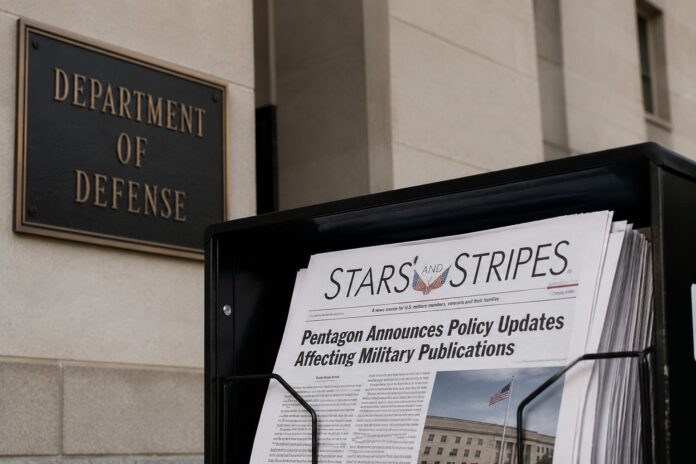
The Pentagon took decisive action by terminating three senior staff members from Stars and Stripes, the military newspaper funded by the Defense Department. The firings included the publisher, the editor-in-chief, and a Middle East correspondent, marking a significant personnel shift at the publication. These dismissals occurred following a series of policy changes implemented by Pentagon leadership regarding press operations and editorial oversight within military news organizations.
The terminations came in the context of recent reporting by Stars and Stripes on sensitive military matters. The publication had covered mental health struggles among sailors aboard the USS Abraham Lincoln aircraft carrier, whose deployment had been extended by several months to support military operations. This reporting activity preceded the personnel changes at the organization.
- Three staff members terminated from Stars and Stripes on Friday
- USS Abraham Lincoln deployment extension related to regional military operations
- January policy change rescinding previous censorship protections for the publication
- March memo issued requiring coverage consistency with military order and discipline standards
Why It Matters
The dismissals raise significant questions about the balance between military oversight and journalistic freedom within defense-related media operations. Stars and Stripes operates as a Defense Department-funded publication while theoretically maintaining editorial independence, creating inherent tensions when leadership priorities conflict with reporting decisions. The recent firings suggest a potential shift in how the Pentagon intends to manage the narrative around military personnel issues and operational matters.
The timing of these actions follows the Defense Department’s decision to rescind regulations that had previously prohibited censorship of Stars and Stripes. Pentagon leadership indicated that the publication should redirect its editorial focus away from certain content categories. Additionally, new protocols require approval from senior Pentagon officials before correspondents can report on specific information, fundamentally altering the operational environment for military journalists.
These developments carry implications for service members’ access to information about institutional challenges within the military. When media outlets face restrictions on covering topics like personnel welfare and mental health, the ability of troops to understand and address systemic issues becomes compromised. The personnel changes at Stars and Stripes may signal broader expectations for how military-affiliated media will handle sensitive institutional matters going forward.
- Service members’ access to institutional reporting about military operations and personnel welfare affected
- Editorial independence principles at Defense Department-funded publications under scrutiny
- Press freedom advocates concerned about precedent for military media oversight
- Military correspondents facing new approval requirements for reporting activities
Political and Public Context
The situation at Stars and Stripes reflects broader tensions regarding how government institutions manage information flows and media relationships. Military newspapers occupy a unique position within American journalism, balancing their role as information sources for service members with their operational dependence on Defense Department funding. The recent policy changes represent a notable assertion of executive control over military media operations.
Pentagon leadership under current Defense Secretary Pete Hegseth has implemented stricter protocols governing press access and reporting activities. These new rules require correspondent approval before releasing certain information, marking a departure from previous operational standards. When journalists declined to accept these new requirements, they surrendered their access credentials rather than comply, demonstrating the stakes involved in these policy shifts.
The broader context includes ongoing debates about institutional messaging and media management across government agencies. The Pentagon’s actions reflect a more directive approach to controlling narratives around military operations and personnel matters. This stands in contrast to traditional principles of editorial independence and free press operations within democratic institutions.
- Defense Secretary Pete Hegseth’s new approval requirements for Pentagon correspondents
- Journalists relinquishing access credentials rather than accepting reporting restrictions
- January rescission of anti-censorship regulations protecting Stars and Stripes
- Pentagon memo linking coverage requirements to military order and discipline standards
The Pentagon fired top Stars and Stripes leaders after they defended the military paper’s editorial independence. Apparently the “warrior ethos” now includes shooting the messenger before breakfast. #PressFreedom
Source: Reuters
— #TuckFrump (@realTuckFrumper) August 24, 2026
What Happens Next
The Pentagon faces ongoing questions about how it will structure editorial operations at Stars and Stripes following the personnel changes. Leadership must determine whether the publication will operate under the new policy framework established earlier this year or whether adjustments will be made based on external feedback regarding press freedom concerns. The direction Stars and Stripes takes in the coming months will signal the Pentagon’s commitment to editorial independence versus institutional message control.
Military correspondents and press organizations will likely monitor how these policy changes affect reporting on service member welfare and operational matters. The precedent established through Stars and Stripes may influence practices across other military media operations and press relationships. Additionally, broader discussions about government oversight of journalist activity may intensify as these developments receive attention from press freedom advocates and policy observers.
The situation presents an opportunity for Pentagon leadership to clarify its expectations regarding editorial independence within military media while addressing concerns about institutional transparency. How the administration navigates these competing interests will have implications for the military’s relationship with its internal press operations and the information available to service members.
- Pending clarification of Stars and Stripes editorial direction under new leadership
- Broader implications for military correspondent relationships and access protocols
- Ongoing evaluation of Pentagon media oversight policies and practices
- Service member communications strategy regarding institutional challenges and personnel welfare
