

Story Highlights
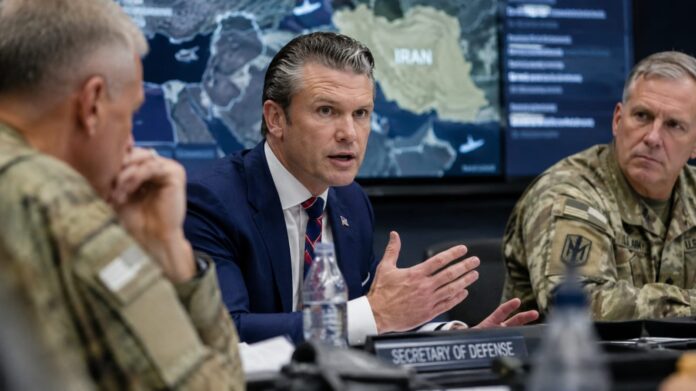
- Defense Secretary Pete Hegseth’s plans indicate a long-term military commitment in Iran.
- The administration aims to maintain pressure on Iran while navigating electoral repercussions.
- Concerns grow over troop strain and public opinion regarding the ongoing conflict.
- Potential escalation of military actions could impact the upcoming midterm elections.
What Happened
Recent reports have revealed that Defense Secretary Pete Hegseth is preparing for a prolonged military engagement in Iran, suggesting that the conflict may extend well into 2027. This strategy, described as ‘open-ended,’ is designed to provide President Trump with various options as he navigates the complexities of a deeply unpopular war. Sources indicate that the administration is considering maintaining a troop presence of around 50,000 in the region, alongside deploying warships, air-defense units, and fighter squadrons for extended periods.
The implications of this strategy are significant, as it signals a commitment to a military approach that could strain resources and personnel. The president’s administration has faced mounting pressure from both military leaders and the public regarding the sustainability of such deployments. Despite these concerns, Trump appears resolute in his belief that increasing economic pressure on Iran through sanctions will ultimately lead to a favorable resolution. The administration’s strategy is further complicated by the need to balance military objectives with the realities of public sentiment.
- Defense Secretary Pete Hegseth has outlined plans for extended military deployments.
- Trump has discussed the possibility of declaring the war over while fighting continues.
- Concerns about troop strain have been raised, particularly regarding the Navy’s long deployments.
- Military leaders have expressed opposition to prolonged troop presence in the Middle East.
Why It Matters
The ramifications of this strategy are profound, not only for military personnel but also for the political landscape in the United States. As the conflict drags on, the strain on troops and their families becomes increasingly apparent. Reports of dire working conditions and mental health struggles among sailors highlight the human cost of prolonged military engagements. The administration’s approach raises questions about the balance between national security interests and the well-being of service members.
Moreover, the potential for escalating military actions could have significant electoral consequences. With midterm elections approaching, the Republican Party faces the risk of backlash from voters who may be weary of ongoing military conflicts. Trump’s administration must navigate these turbulent waters carefully, balancing the need for a strong military presence with the realities of public opinion. The administration’s decisions will likely shape the political landscape and influence voter sentiment in the upcoming elections.
- Prolonged military engagement could lead to increased mental health issues among service members.
- The administration’s strategy may impact Republican electoral prospects in the midterms.
- Public sentiment regarding military conflicts is shifting, raising concerns for the administration.
- Military leaders’ opposition to extended deployments could create internal challenges for the White House.
Political and Public Context
The current situation in Iran is not occurring in a vacuum. The geopolitical landscape has been shaped by a series of events that have heightened tensions in the region. The president’s decision to align with Israel in military actions against Iran has further complicated matters, leading to a cycle of retaliation and conflict. The Strait of Hormuz, a vital shipping route, has become a focal point for military operations, underscoring the strategic importance of the region.
Additionally, the administration’s approach to Iran has been characterized by a combination of military and economic strategies. The imposition of sanctions aims to weaken Iran’s ability to sustain its military operations, but the effectiveness of this strategy remains to be seen. As the conflict continues, the administration must grapple with the consequences of its actions, both domestically and internationally. The evolving situation requires careful consideration of diplomatic avenues alongside military strategies.
- The U.S. has aligned with Israel in military actions against Iran since February 28.
- The Strait of Hormuz has become a critical area for military operations.
- Sanctions have been a key component of the administration’s strategy against Iran.
- Geopolitical tensions in the region have escalated due to ongoing conflicts.
What Happens Next
Looking ahead, the administration faces several critical decisions regarding its strategy in Iran. The potential for escalating military actions raises questions about the long-term implications for U.S. foreign policy. As the president weighs his options, he must consider the impact of his decisions on both military personnel and the American public. The administration’s ability to communicate a clear and effective strategy will be crucial in shaping public perception.
Moreover, the upcoming midterm elections will serve as a litmus test for the administration’s approach to foreign conflicts. The Republican Party must navigate the delicate balance between supporting military efforts and addressing the concerns of voters who may be fatigued by ongoing wars. Future military actions will likely depend on the effectiveness of economic sanctions against Iran and the administration’s ability to adapt to changing circumstances.
- Trump may consider declaring the war over despite ongoing conflicts.
- Potential troop deployments could be adjusted based on public sentiment.
- The administration must prepare for the electoral implications of its military strategy.
- Future military actions will likely depend on the effectiveness of economic sanctions against Iran.
