

Story Highlights
- A significant fire occurred at Canadian Forces Base Wainwright in Alberta on October 17, 2026
- The incident resulted in injuries, with emergency responders transporting affected individuals for medical treatment
- Authorities have launched an investigation into the circumstances surrounding the fire
- The event has prompted renewed scrutiny of emergency response protocols and safety measures at military installations
What Happened
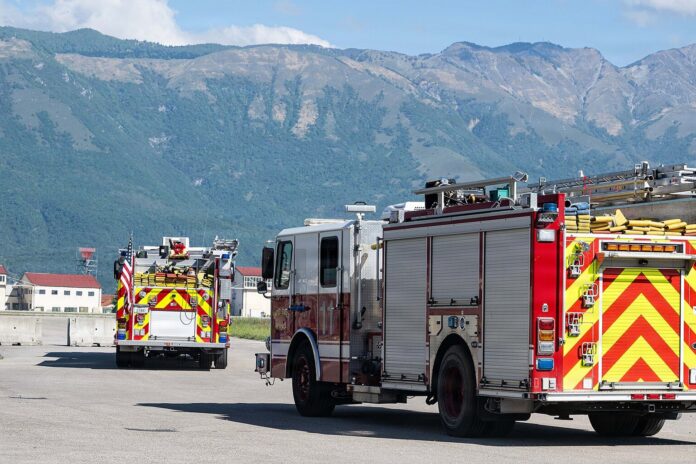
A fire broke out at Canadian Forces Base Wainwright, located outside Wainwright, Alberta, on October 17, 2026, resulting in a significant emergency response. The incident led to multiple injuries, with paramedics and emergency personnel mobilizing to transport affected individuals to medical facilities for treatment and evaluation. The base, which serves as a key military installation in western Canada, experienced disruption due to the emergency situation and subsequent response efforts. Firefighting crews from both the military installation and surrounding communities worked to contain and extinguish the blaze, demonstrating coordinated emergency response capabilities in the region.
The fire prompted immediate action from emergency services in the region, demonstrating coordination between military personnel and civilian responders. Investigators have begun examining the incident to determine its origin and contributing factors. The response highlighted both the readiness of emergency teams and potential areas for enhanced safety protocols at military facilities. Personnel interviews and scene documentation commenced promptly to establish a comprehensive understanding of how the fire initiated and spread through the facility.
- Location: Canadian Forces Base Wainwright, Alberta
- Date: October 17, 2026
- Result: Multiple injuries requiring emergency medical transport
- Response: Investigation launched by authorities to determine cause and contributing factors
Why It Matters
The fire at this military installation carries significance beyond the immediate incident, as it raises important questions about safety infrastructure and emergency preparedness at Canadian military facilities. Military bases house personnel, equipment, and critical infrastructure, making fire safety and emergency response capabilities essential operational concerns. The incident underscores the necessity of maintaining robust fire suppression systems, evacuation procedures, and personnel training across all military installations. With hundreds of military personnel and civilians working at such facilities daily, any lapse in fire safety measures can have serious consequences for those present.
For military leadership and defense officials, such events prompt comprehensive reviews of existing protocols and potential gaps in emergency management systems. The injuries sustained during the incident demonstrate the very real human consequences of fire hazards in densely populated or equipment-intensive environments. Additionally, the investigation’s findings may inform policy improvements not only at Wainwright but across the broader military infrastructure network, potentially affecting resource allocation and training priorities. The incident also underscores the interdependence between military and civilian emergency response systems, emphasizing the need for continuous coordination and resource sharing agreements.
- Safety protocols at military installations require ongoing evaluation and enhancement
- Personnel injuries highlight the human costs of inadequate fire prevention measures
- Investigation findings may influence policy across Canadian military facilities
- Emergency response coordination between military and civilian agencies undergoes scrutiny and potential improvement
Political and Public Context
Military facility safety has become an increasingly prominent issue in public discourse surrounding defense operations and resource management. Canadian military installations serve critical roles in national defense and readiness, making their operational integrity a matter of public interest. The incident occurs within a broader context of military infrastructure assessments and debates about adequate funding for maintenance, upgrades, and emergency preparedness systems. Public confidence in military operations depends significantly on the perception that personnel working at these facilities are protected by adequate safety measures.
Public attention to such incidents often influences parliamentary discussions about defense spending priorities and infrastructure management. Military bases represent significant public investments, and events that compromise personnel safety or operational capability tend to attract scrutiny from elected officials, defense analysts, and the public. The investigation and its conclusions may feature in discussions about military budget allocations and the adequacy of current resources dedicated to facility maintenance and emergency preparedness. Media coverage and public interest in such incidents typically lead to questions about oversight mechanisms and accountability within the military establishment regarding facility management standards.
- Military infrastructure safety remains a topic of public and political discussion
- Defense spending debates often include considerations of facility maintenance and safety upgrades
- Parliamentary oversight of military operations includes facility safety standards and compliance
- Investigation outcomes may influence future policy recommendations and resource allocation decisions
A "serious incident" at a military base in western Canada killed and injured multiple people and sparked a huge blaze yesterday, the government saidhttps://t.co/2D2OEmKE6E
— RTÉ News (@rtenews) October 18, 2026
What Happens Next
The ongoing investigation into the fire will likely take several weeks to complete, with authorities examining all possible causes and circumstances. Fire investigators will analyze structural damage, review maintenance records, inspect fire suppression systems, and interview personnel who were present during the incident. The investigation’s scope will extend beyond immediate cause identification to include assessment of whether existing safety protocols were followed and whether any system failures contributed to the incident. Forensic examination of fire origin points, electrical systems, and combustible materials storage will form a central part of the investigative process.
Following the investigation’s completion, military leadership will presumably implement findings and recommendations aimed at preventing similar incidents. This may involve facility upgrades, enhanced training for personnel, revised emergency procedures, or adjustments to maintenance schedules. Military officials may also commission broader reviews of safety measures across other installations to identify and address potential vulnerabilities. The incident may prompt public statements from defense officials addressing both the immediate situation and longer-term commitment to personnel safety and facility security. Additionally, the base may undergo temporary operational adjustments while repairs and safety assessments are completed.
- Investigation will examine fire origin, maintenance records, and personnel procedures over several weeks
- Assessment of fire suppression system functionality and emergency protocol compliance will be prioritized
- Potential facility upgrades and enhanced safety training implementation for military personnel
- Broader review of emergency preparedness measures across Canadian military installations underway
