

Story Highlights
- Trump’s administration has aired taxpayer-funded ads promoting his policies and achievements.
- Critics argue these ads serve to bolster his image ahead of the midterm elections.
- The White House defends the ads as public service announcements, despite legal concerns.
- Ethics experts question the legality and appropriateness of using taxpayer funds for political messaging.
What Happened
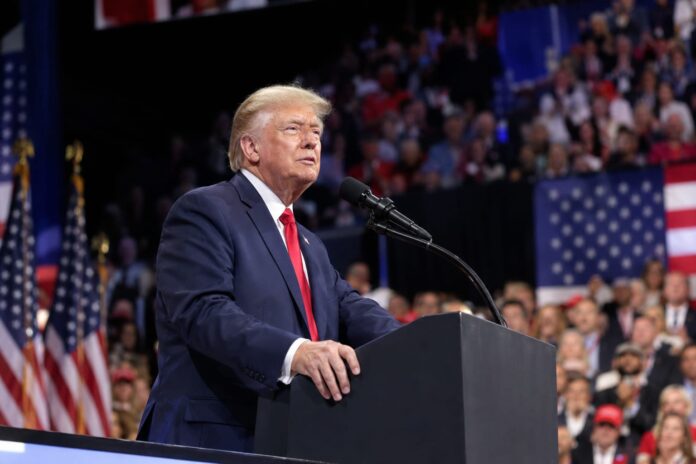
In a bold move that has sparked significant debate, the Trump administration recently aired a series of advertisements funded by taxpayer dollars. These ads feature President Trump making strong statements about his commitment to dismantling what he refers to as the ‘deep state’ and expelling various political adversaries from government positions. The ads, which have been broadcast during high-profile events such as Saturday Night Live and major football games, prominently display the message ‘Paid for by the U.S. Government’ at their conclusion.
This is not an isolated incident; it marks the third ad of its kind to air within a week, raising eyebrows among political analysts and ethics experts alike. The administration has framed these advertisements as public service announcements aimed at informing the public about the president’s policies and ongoing efforts to protect American values. However, critics argue that these ads are primarily designed to enhance Trump’s image as he gears up for the midterm elections.
- The first ad aired during a major football game on September 30, 2023.
- The second ad featured clips from a summer speech by Trump, emphasizing his stance against communism.
- As of October 2, 2023, the total expenditure on these ads is estimated to exceed $762,000.
- Ethics experts have raised concerns about the legality of using taxpayer funds for political advertising.
Why It Matters
The implications of these advertisements extend far beyond mere political messaging. They raise critical questions about the use of taxpayer dollars and the ethical boundaries of political advertising. The administration’s defense of these ads as public service announcements is a significant point of contention. While the White House asserts that Trump is not currently on the ballot, the timing and content of the ads suggest a strategic effort to maintain visibility and support ahead of the upcoming elections.
Moreover, the ads serve to reinforce Trump’s narrative of fighting against perceived threats to American democracy, including the ‘deep state’ and various political ideologies he deems harmful. This narrative resonates with a substantial portion of the American electorate, particularly among his base, who view him as a champion of conservative values and a defender against radical leftist agendas.
- Taxpayer funds are being utilized for advertisements that critics argue primarily serve a political purpose.
- The ads may influence public perception of Trump ahead of the midterms, potentially swaying undecided voters.
- Ethics violations could arise if the ads are deemed to serve a campaign purpose rather than a public service.
- Supporters of Trump may feel more energized and motivated to vote as a result of these ads.
Political and Public Context
To fully understand the significance of these advertisements, it is essential to consider the broader context of political advertising in the United States. Historically, the use of taxpayer funds for political messaging has been a contentious issue. The Federal Election Commission has strict regulations regarding campaign financing, and any perceived misuse of public funds can lead to serious legal repercussions.
In recent years, the lines between public service announcements and political advertising have blurred, particularly as social media and digital platforms have transformed the landscape of political communication. Trump’s administration has been at the forefront of this evolution, utilizing various media channels to disseminate its message directly to the public.
- Previous administrations have faced scrutiny over the use of taxpayer funds for political purposes.
- Trump’s campaign strategy has consistently involved direct communication with voters through various media.
- Legal challenges regarding campaign financing and advertising are ongoing in several states.
- Public sentiment regarding the use of taxpayer dollars for political messaging is increasingly polarized.
What Happens Next
The future of these advertisements and their implications for the Trump administration remain uncertain. As the midterm elections approach, it is likely that the administration will continue to leverage these ads to bolster support among its base. However, the potential for legal challenges looms large, as ethics experts and political opponents may seek to hold the administration accountable for what they perceive as an inappropriate use of taxpayer funds.
Moreover, the ongoing discourse surrounding these ads may influence public opinion and voter turnout in the upcoming elections. As more Americans become aware of the funding sources behind these advertisements, it could lead to increased scrutiny of the administration’s actions and policies.
- Legal experts may file complaints regarding the use of taxpayer funds for political ads.
- The administration may adjust its advertising strategy in response to public backlash.
- Voter sentiment could shift as awareness of the funding sources grows.
- Future political campaigns may face increased scrutiny regarding their funding and advertising practices.
