

Story Highlights
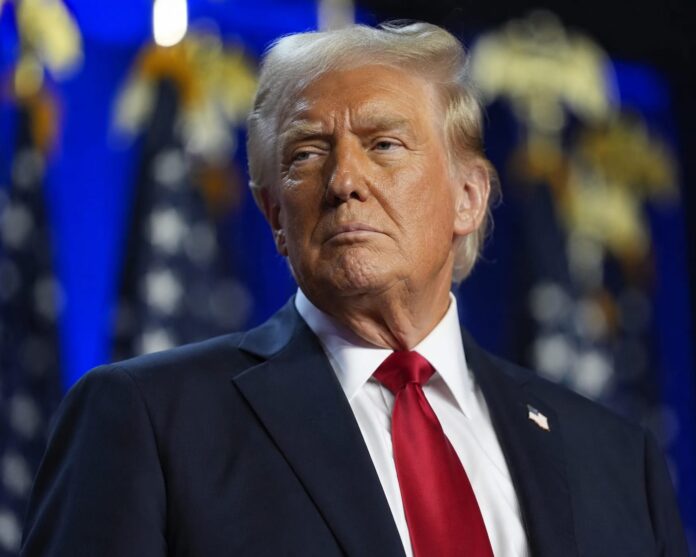
- President Trump delivered a lengthy speech at the Republican midterm convention in Dallas.
- Despite lower ratings, he insists the event was a major success with packed attendance.
- The speech faced competition from the NFL season opener, impacting viewership numbers.
- Online streaming figures suggest a mixed reception, with some commentators drawing larger audiences.
What Happened
During the Republican midterm convention held in Dallas, President Trump took to the stage for a speech that lasted an impressive 106 minutes. This lengthy address, however, did not attract the viewership that many had anticipated. Reports indicated that various sections of the arena were left empty while he spoke, raising questions about the overall turnout and engagement of the audience. The president’s speech was broadcasted during a time slot that coincided with the NFL season opener, which undoubtedly affected the ratings.
Despite the lower-than-expected viewership, Trump remained optimistic about the event’s success. He claimed that the convention was a ‘major, sold-out hit,’ emphasizing that the arena was packed and that thousands were outside unable to get in. His assertion that the overall numbers beat the NFL was a bold statement, especially considering the competition from a highly anticipated football game.
- Trump’s speech was delivered on a Wednesday night, running over an hour longer than scheduled.
- Fox News reported an average of 2.5 million viewers during the speech’s airing.
- Competitors like CNN and NBC did not carry the speech, limiting its reach.
- Online viewership figures were mixed, with some commentators drawing larger audiences than the official GOP livestream.
Why It Matters
The implications of Trump’s speech and the surrounding circumstances are significant for several reasons. Firstly, the president’s insistence on the event’s success, despite the ratings, reflects a broader strategy of maintaining a positive narrative around his leadership and the Republican Party. By framing the convention as a triumph, he aims to energize his base and reinforce the idea that he remains a central figure in American politics.
Moreover, the contrast between the in-person attendance and the television ratings raises questions about the effectiveness of traditional media in capturing the attention of the electorate. As viewership habits evolve, the reliance on television ratings may not fully encapsulate the engagement levels of supporters, particularly among younger demographics who may prefer streaming platforms. This shift could have lasting implications for how political events are marketed and consumed in the future.
- The president’s narrative may bolster support among his base, reinforcing loyalty ahead of upcoming elections.
- Lower ratings could prompt a reevaluation of how political events are broadcast and promoted.
- Trump’s claims of success may influence fundraising efforts and campaign strategies moving forward.
- Viewership trends highlight the changing landscape of media consumption among voters.
Political and Public Context
Understanding the context surrounding Trump’s speech is crucial for grasping its significance. The Republican midterm convention is a pivotal event, especially as the party gears up for the upcoming elections. Trump’s leadership has been characterized by a strong focus on rallying his supporters and maintaining a robust presence in the political arena. His ability to draw crowds and generate enthusiasm has been a hallmark of his political style.
Additionally, the competition from the NFL season opener underscores the challenges faced by political figures in capturing audience attention in a media-saturated environment. The popularity of sports programming often eclipses political events, making it essential for politicians to find innovative ways to engage their audiences. This dynamic is particularly relevant as the nation approaches critical elections that will shape the future of American governance.
- The Republican midterm convention serves as a platform for party unity and strategy ahead of elections.
- Trump’s leadership style emphasizes direct engagement with supporters, often through large rallies.
- Competition from entertainment programming poses challenges for political messaging.
- Changing media consumption habits necessitate adaptations in political communication strategies.
What Happens Next
Looking ahead, the future of Trump’s political endeavors will likely be influenced by the outcomes of this convention and the reception of his speech. As the Republican Party prepares for the midterm elections, the focus will shift to how effectively they can mobilize their base and counteract the narratives presented by opposing parties. Trump’s claims of success may serve as a rallying cry for supporters, but they also raise questions about the party’s ability to translate enthusiasm into votes.
Furthermore, the evolving landscape of media consumption will necessitate a reevaluation of how political events are broadcast and promoted. As streaming platforms gain traction, political figures may need to adapt their strategies to reach audiences where they are most engaged. This could involve leveraging social media, online streaming, and other digital platforms to enhance visibility and engagement.
- Trump’s team may focus on refining their messaging and outreach strategies in light of recent ratings.
- Future events will likely incorporate more digital engagement to capture younger voters.
- The Republican Party will need to assess its approach to competing with entertainment programming.
- Open questions remain regarding how Trump’s narrative will resonate with undecided voters.
