

Story Highlights
- Senator John Kennedy challenges the FBI’s new hiring policy regarding bestiality.
- The policy change allows individuals with past involvement in bestiality or prostitution to apply for FBI positions.
- Concerns raised about the implications for agent qualifications and public trust.
- FBI Director Kash Patel defends the policy as a necessary measure against human trafficking.
What Happened
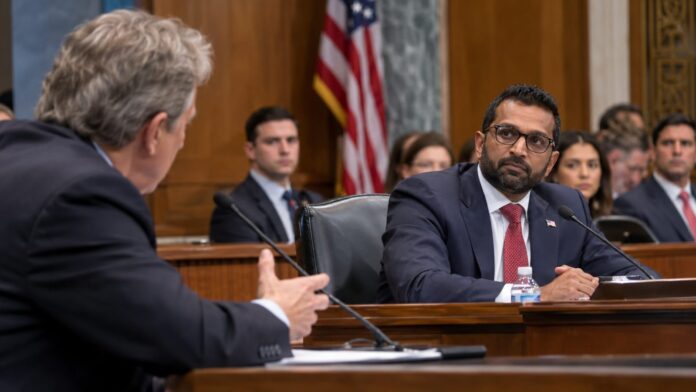
In a surprising exchange during a Senate hearing, Senator John Kennedy (R-La.) confronted FBI Director Kash Patel regarding a controversial change in the Bureau’s hiring policy. The discussion centered around the lifting of long-standing disqualifications for applicants who have engaged in bestiality or prostitution. This policy shift has raised eyebrows and sparked intense debate among lawmakers and the public alike.
Senator Kennedy’s questioning was marked by a blend of seriousness and humor, as he sought to understand the rationale behind the policy change. He expressed confusion over the decision, questioning the implications it might have on the quality and integrity of FBI agents. Kennedy’s concerns reflect a broader unease about the standards being set for those who are entrusted with significant responsibilities in law enforcement.
- Senator John Kennedy’s questioning occurred during a Senate hearing on Tuesday.
- The FBI’s policy change allows applicants with past involvement in bestiality or prostitution to be considered for employment.
- FBI Director Kash Patel acknowledged the policy change was influenced by cases of human trafficking.
- Senator Dick Durbin (D-Ill.) also expressed concerns about the implications of the policy shift.
Why It Matters
The implications of the FBI’s new hiring policy are significant, as they touch upon issues of morality, public trust, and the integrity of law enforcement agencies. By allowing individuals with a history of engaging in bestiality or prostitution to apply for positions within the FBI, the agency risks undermining its credibility and the public’s confidence in its ability to uphold the law. Senator Kennedy’s pointed questions highlight a growing concern that the FBI may be prioritizing inclusivity over the traditional standards of conduct expected from its agents.
Moreover, the policy change raises ethical questions about the nature of the FBI’s mission. The Bureau is tasked with enforcing federal laws and protecting citizens from criminal activities, including human trafficking. Critics argue that by relaxing hiring standards for individuals with such controversial pasts, the FBI may inadvertently send a message that certain behaviors are acceptable, thereby complicating its mission to combat crime.
- The policy change could lead to a decline in public trust in the FBI.
- Concerns about the moral implications of hiring individuals with such backgrounds.
- Potential impact on the FBI’s effectiveness in combating crime, particularly human trafficking.
- Public perception of the FBI as an agency that prioritizes inclusivity over integrity.
Political and Public Context
The discussion surrounding the FBI’s hiring policy is not occurring in a vacuum. It comes at a time when law enforcement agencies across the country are facing scrutiny over their practices and policies. The national conversation about police reform and accountability has intensified in recent years, leading to calls for greater transparency and higher standards within law enforcement.
Additionally, the issue of human trafficking has gained increased attention, with lawmakers and advocacy groups working to address the complexities surrounding this crime. The FBI’s rationale for the policy change—acknowledging that some individuals may have been forced into prostitution or other degrading acts—reflects a growing understanding of the nuances involved in human trafficking cases. However, this understanding must be balanced with the need to maintain high standards for those who serve as agents of the law.
- The national conversation about police reform and accountability is ongoing.
- Human trafficking has become a focal point for lawmakers and advocacy groups.
- Concerns about the implications of the policy change are echoed by other lawmakers.
- The FBI’s rationale highlights the complexities of human trafficking cases.
FBI Director Patel forced into extraordinary answer on bestiality as Senate Democrats grill him over new FBI hiring rules https://t.co/rB1aFjHY37
— Daily Mail (@DailyMail) September 15, 2026
What Happens Next
As the debate over the FBI’s hiring policy continues, several questions remain unanswered. Lawmakers are likely to push for further clarification on the criteria used to evaluate applicants with controversial pasts. Additionally, there may be calls for a review of the policy to ensure that it aligns with the FBI’s mission and the expectations of the public.
Furthermore, the implications of this policy change may extend beyond the FBI. Other law enforcement agencies may look to the Bureau’s example as they consider their own hiring practices. This could lead to a broader reevaluation of standards across the board, raising questions about what behaviors are deemed acceptable for those in positions of authority.
In light of these developments, it is crucial for lawmakers and the public to engage in a thoughtful dialogue about the balance between inclusivity and the integrity of law enforcement agencies.
- Lawmakers may seek further clarification on the hiring criteria for applicants.
- Calls for a review of the policy to align with public expectations.
- Potential influence on hiring practices in other law enforcement agencies.
- Ongoing discussions about the balance between inclusivity and integrity in law enforcement.
