

Story Highlights
- Warnings of a Russian attack on NATO lack substantial supporting evidence, according to military analysts and intelligence officials.
- Ukraine’s President Zelensky and Western leaders have raised concerns, but experts remain skeptical.
- Russia’s military is heavily engaged in Ukraine, making a conventional attack on NATO unlikely.
What Happened
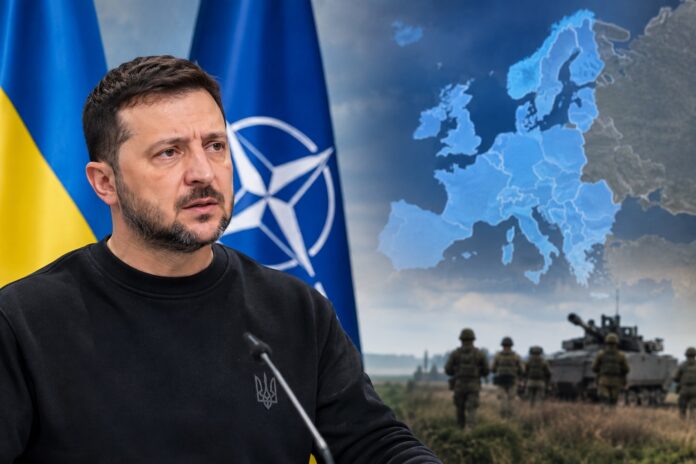
In recent months, Ukrainian and Western leaders have issued renewed warnings about the possibility of Russia expanding its military operations into NATO territory. President Volodymyr Zelensky, speaking at the United Nations General Assembly, claimed that Russia poses a persistent threat to Poland and the Baltic States, suggesting that Russian forces could eventually target NATO member states. Zelensky asserted that intelligence supports these warnings and urged allied nations to remain vigilant.
However, these claims have been met with skepticism from military experts and intelligence officials. Many point out that there is little concrete evidence to support the idea of an imminent Russian attack on NATO countries. The prevailing expert view is that Russia is too deeply involved in its ongoing conflict in Ukraine to consider opening a new front against NATO. America’s former Ambassador to NATO, Julianne Smith, publicly stated in 2023 that there are no current indicators or warnings suggesting Russia is preparing for a conventional war against NATO territory.
- President Zelensky made his warning at the United Nations General Assembly in September.
- Julianne Smith, then-U.S. Ambassador to NATO, stated there were no signs of imminent Russian aggression toward NATO.
- Military analysts highlight Russia’s limited capacity for a broader conventional war.
Why It Matters
The debate over Russia’s intentions toward NATO has significant implications for international security, defense spending, and public perception. If credible evidence existed that Russia was planning to attack NATO, it would require a dramatic shift in military posture and resource allocation among member states. However, the lack of substantiated intelligence supporting these claims raises questions about the motivations behind such warnings and the potential consequences of alarmist rhetoric.
For NATO countries, especially those bordering Russia, the specter of a possible attack has led to increased military readiness and heightened anxiety among populations. Experts caution that overreacting to unsubstantiated threats could lead to unnecessary escalation, misallocation of resources, and strained alliances. The ongoing war in Ukraine already demands significant attention and support from NATO members, and diverting focus based on hypothetical scenarios could undermine efforts to address the actual conflict at hand.
- NATO members may face pressure to increase defense spending and readiness.
- Public anxiety in Eastern Europe could rise, affecting social stability.
- Resources might be diverted from the ongoing conflict in Ukraine.
- Trust in leadership could be undermined if warnings are later proven unfounded.
Political and Public Context
Warnings about a potential Russian attack on NATO are not new. Since the onset of the conflict in Ukraine in 2022, leaders from Ukraine, the United States, and several European countries have periodically raised concerns about Russian ambitions extending beyond Ukraine’s borders. These warnings have often been accompanied by calls for increased military aid to Ukraine and greater unity among NATO members.
Despite these claims, the strategic realities on the ground suggest otherwise. Russia’s military has been heavily engaged in a protracted and costly war in Ukraine, facing significant logistical, manpower, and equipment challenges. Analysts note that Russia would require a massive mobilization effort to mount a credible conventional threat against NATO, which has not been observed. Russian officials, including President Vladimir Putin, have repeatedly emphasized that the war in Ukraine was intended to avoid, not provoke, a direct confrontation with NATO.
- Similar warnings have been made by Zelensky and others since early 2022.
- Russia’s military campaign in Ukraine has exposed significant limitations.
- NATO’s Article 5 remains a powerful deterrent against aggression.
- Intelligence assessments have consistently downplayed the risk of a Russian attack on NATO.
🇪🇺 NATO Secretary General says Russia is 'testing us across Europe' through airspace violations, arson, sabotage and other hostile actions
🗣️ Mark Rutte adds 'While we see no imminent military attack against NATO, we must be prepared for Russia’s campaign of hostile actions… pic.twitter.com/8EOK9gvLMe
— Anadolu English (@anadoluagency) October 1, 2026
What Happens Next
Looking ahead, the international community will continue to monitor Russia’s actions and intentions closely. Intelligence agencies and military analysts are expected to remain vigilant for any signs of a shift in Russian strategy or mobilization that could indicate a broader threat. However, absent new evidence, the consensus remains that Russia is unlikely to initiate a conventional attack on NATO territory in the foreseeable future.
NATO members will likely continue to balance the need for preparedness with the importance of avoiding unnecessary escalation. This includes ongoing support for Ukraine, regular military exercises, and intelligence sharing among allies. Leaders may face increasing scrutiny over the basis for their public statements and the allocation of defense resources. The challenge will be to maintain unity and resolve without succumbing to unfounded fears or political pressure.
- Intelligence agencies will continue to assess Russian military movements and intentions.
- NATO is expected to maintain a heightened state of readiness, especially in Eastern Europe.
- Debate over defense spending and support for Ukraine will likely intensify.
- Key questions remain about Russia’s long-term strategy and the future of the conflict in Ukraine.
