

Story Highlights
- Canadian Prime Minister Mark Carney humorously targeted President Trump during a recent press dinner.
- Carney’s jokes reflect a playful rivalry between the two leaders.
- The event featured impersonators, adding to the comedic atmosphere.
- Trump’s extravagant Oval Office decor has become a topic of light-hearted banter.
What Happened
During a recent Parliamentary Press Gallery dinner, Canadian Prime Minister Mark Carney took the opportunity to poke fun at President Donald Trump, showcasing the ongoing playful rivalry between the two leaders. Carney’s remarks came amidst a backdrop of political impersonators, which added a layer of humor to the evening’s proceedings. The prime minister’s quip about the president’s extravagant Oval Office makeover was met with laughter, illustrating the light-hearted nature of the event.
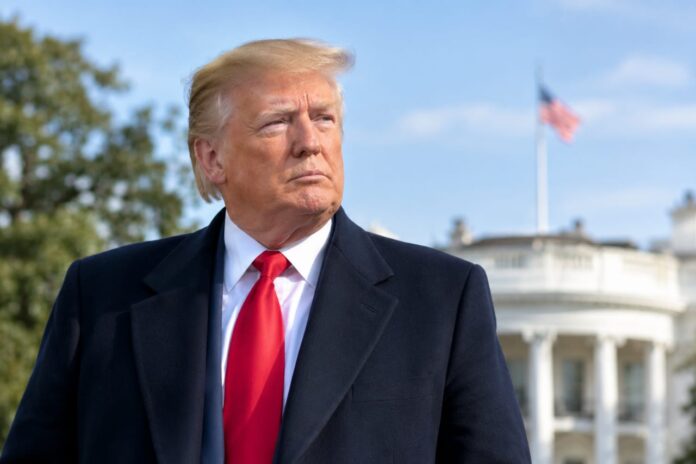
Carney humorously remarked, ‘Damn. This is a tough room. And I’ve been in the Oval Office, alone, with its new interior decorator.’ This comment not only highlighted the president’s penchant for opulence but also served as a clever jab at the decor choices that have characterized Trump’s time in office. The president has reportedly taken a hands-on approach to the Oval Office’s aesthetic, even going so far as to glue some of the embellishments in place himself.
- Event: Parliamentary Press Gallery dinner
- Date: Recent weekend
- Participants: Mark Carney, President Trump impersonators
- Context: Political humor and rivalry
Why It Matters
The playful banter between Carney and Trump is emblematic of a broader trend in political discourse, where humor serves as a tool for both connection and critique. In an era where political tensions can often feel overwhelming, moments of levity can provide a necessary respite. Carney’s jokes not only entertain but also reflect the dynamics of international relations, particularly between Canada and the United States.
Moreover, the president’s unique style and approach to leadership have made him a frequent target for humor, both in Canada and beyond. Carney’s remarks serve to humanize the political landscape, reminding audiences that even leaders can engage in light-hearted exchanges. This kind of humor can foster goodwill and camaraderie, even amidst serious political discussions.
As political climates shift, the ability of leaders to engage in humor may become increasingly important. It can serve as a bridge in times of tension, allowing for a more approachable image and fostering dialogue that might otherwise be stifled by serious issues.
- Impact on U.S.-Canada relations: Humor can ease tensions.
- Public perception: Leaders engaging in humor can appear more relatable.
- Political culture: The event reflects a tradition of political satire.
- Media coverage: Such moments often dominate headlines, shaping public discourse.
Political and Public Context
The context of Carney’s jokes is crucial to understanding their significance. The relationship between Canada and the United States has historically been characterized by both cooperation and rivalry. Trump’s presidency has seen a mix of both, with trade negotiations and border policies often at the forefront of discussions. Carney’s light-hearted jabs can be seen as a way to navigate this complex relationship, using humor to bridge gaps and foster dialogue.
Additionally, the use of impersonators at the dinner highlights a long-standing tradition in political culture, where humor is employed to critique and reflect on leadership. The presence of a Trump impersonator, who humorously commented on Carney’s popularity, further underscores the playful nature of the evening. This kind of satire is not only entertaining but also serves as a commentary on the political landscape, allowing for a more nuanced understanding of the dynamics at play.
As political satire continues to evolve, it remains a vital part of how leaders communicate with the public. Events like these not only entertain but also provide insight into the relationships between political figures and the sentiments of the electorate.
- Historical context: U.S.-Canada relations have fluctuated over time.
- Tradition of political satire: Events like these are common in political culture.
- Impersonation as commentary: Impersonators often reflect public sentiment.
- Media’s role: Coverage of such events shapes public perception of leaders.
Canadian PM Ruthlessly Trolls Trump With A ‘Tough’ Crack About His Biggest Obsession #HuffingtonPost https://t.co/23oqHKfdNz
— #TuckFrump (@realTuckFrumper) November 23, 2026
What Happens Next
Looking ahead, the playful rivalry between Carney and Trump may continue to evolve, particularly as both leaders navigate their respective political landscapes. The use of humor in political discourse is likely to remain a prominent feature, as it allows leaders to connect with their constituents in a more relatable manner. As the political climate shifts, it will be interesting to see how both leaders adapt their approaches to humor and engagement.
Moreover, the ongoing relationship between Canada and the United States will undoubtedly be influenced by the dynamics of their leaders’ interactions. As trade negotiations and policy discussions continue, moments of levity like Carney’s jokes may serve as a reminder of the importance of maintaining a cordial relationship, even amidst serious discussions. The future may hold more opportunities for humor to play a role in diplomacy, fostering a sense of camaraderie between the two nations.
- Potential for future interactions: More humorous exchanges may occur.
- Impact on trade negotiations: Humor can ease tensions in discussions.
- Public engagement: Leaders may continue to use humor to connect with constituents.
- Long-term relationship: The dynamics between Canada and the U.S. will evolve.