

Story Highlights
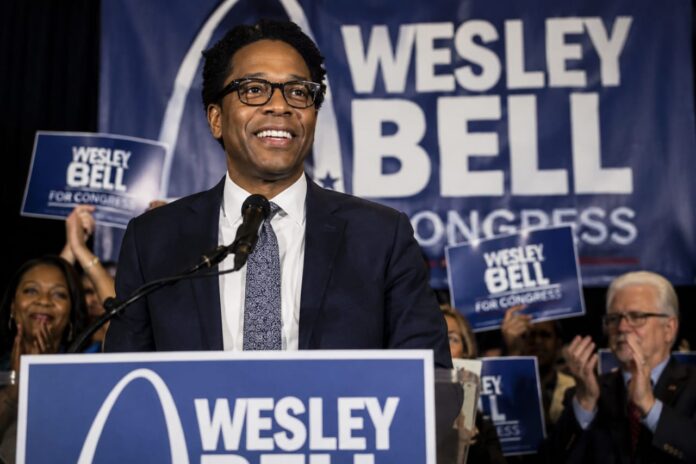
- Rep. Wesley Bell successfully defended his House seat against former Rep. Cori Bush in the Missouri 1st Congressional District Democratic primary
- Bell’s victory marks the second consecutive primary defeat for Bush, who originally held the seat before losing to Bell in 2024 by approximately 5 percentage points
- The race centered on contrasting positions regarding Israel policy, with Bell receiving support from groups aligned with AIPAC while Bush maintained a critical stance toward Israeli actions
- Bell’s fundraising advantages and organizational strength proved decisive in the closely watched rematch between two Democratic representatives
What Happened
Rep. Wesley Bell secured victory in the Missouri 1st Congressional District Democratic primary, successfully fending off a comeback attempt by former Rep. Cori Bush. The primary contest represented a rematch between the two Democrats, with Bell having previously ousted Bush from the seat in the 2024 primary election cycle. Bell’s win in that earlier contest occurred by approximately 5 percentage points, and he has now secured another victory in this follow-up competition.
The rematch took place in a solidly blue congressional district centered in St. Louis, where Democratic primary outcomes effectively determine the general election winner. Bush had sought to reclaim the House seat she previously held, positioning her campaign as a response to what she characterized as insufficient alignment with progressive values on foreign policy matters. Meanwhile, Bell consolidated support from various quarters, including groups with ties to pro-Israel advocacy organizations, and demonstrated superior fundraising capacity during the second quarter of the election cycle.
- Bell defeated Bush in the Missouri 1st Congressional District Democratic primary
- This represents Bell’s second consecutive primary victory over Bush, following a 5-point margin in 2024
- The district is located in St. Louis and is considered reliably Democratic
- Bell’s financial resources in the second quarter exceeded those of his primary opponent
Why It Matters
The outcome carries significant implications for the balance of power within Democratic representation and signals evolving priorities among Democratic voters regarding foreign policy. The race functioned as a referendum on how Democratic members should approach the Israel-Hamas conflict and related geopolitical considerations. Bush’s consecutive primary losses suggest that messaging centered primarily on criticism of Israeli actions may face electoral headwinds among Democratic primary voters, or that other factors such as name recognition, fundraising capacity, and organizational infrastructure can outweigh ideological positioning on specific foreign policy issues.
The result also reflects the continuing influence of organized pro-Israel advocacy in Democratic primary politics. Organizations aligned with the American Israel Public Affairs Committee directed resources toward supporting Bell’s candidacy, and these efforts appear to have contributed to his electoral success. Additionally, the outcome represents a setback for the progressive wing of the Democratic Party, as Bush had previously served as a member of the informal “Squad” caucus known for advancing progressive policy positions. Her removal from office and subsequent inability to reclaim her seat suggest potential limitations on the electoral power of the most ideologically progressive members of Congress.
- The race determined which foreign policy approach would represent the district: Bell’s more moderate stance or Bush’s more critical perspective on Israel
- Pro-Israel advocacy groups demonstrated continued ability to influence Democratic primary outcomes through financial support and organizational activity
- The result affects the composition of progressive representation in the House and the broader “Squad” caucus
- Voter sentiment regarding U.S. support for Israel appears to have shifted or may not be the primary determinant of Democratic primary voting behavior in this district
Political and Public Context
The Missouri primary occurs within a broader landscape of contests featuring rematches between former and current House members. Several similar scenarios are unfolding across the country during this election cycle, with former representatives attempting to reclaim seats or win new positions in the House. Former Rep. Colin Allred of Texas, for example, previously departed from the House to pursue a Senate seat in 2024 but is now seeking to return to the House through a Democratic primary. In that contest, Allred successfully defeated incumbent Rep. Julie Johnson in a spring primary competition, demonstrating that former members can sometimes reclaim House seats.
The Bell-Bush rematch also reflects broader tensions within the Democratic Party regarding Israel policy and progressive representation. Bush had received support from prominent progressive figures, including Senator Bernie Sanders, who provided endorsement and campaign assistance. However, such backing proved insufficient to overcome Bell’s advantages in fundraising, name recognition within the district, and support from pro-Israel advocacy networks. The tension over Israel policy has emerged as a significant dividing line within Democratic politics, particularly following the October 2023 Hamas attacks and subsequent Israeli military operations, which intensified debates within the party about appropriate levels of support for Israel.
- Multiple former House members are running for return to Congress in 2024-2025 cycle, creating unusual rematch scenarios
- Progressive figures like Senator Bernie Sanders actively participated in supporting Bush’s candidacy
- The Israel-Hamas conflict has become a defining issue within Democratic primary politics, affecting endorsement patterns and voter alignment
- AIPAC-aligned organizations have increased their involvement in Democratic primary races, particularly in districts with significant pro-Israel constituencies
Former U.S. Rep. Cori Bush loses her primary rematch to incumbent Democrat Wesley Bell in Missouri’s 1st Congressional District.
For more updates, watch OAN on OAN Live or click the link in our bio. pic.twitter.com/1OjqB69NeY
— One America News (@OANN) August 6, 2026
What Happens Next
Bell is now positioned to secure another full term representing Missouri’s 1st Congressional District in the House of Representatives. As the Democratic primary winner in a district that consistently votes for Democratic candidates in general elections, Bell faces no significant electoral obstacles to his return to Congress. He will likely take office for another term representing St. Louis and the surrounding areas, continuing to serve on House committees and participate in legislative activities.
The outcome may influence strategy and messaging among progressive candidates and groups regarding foreign policy emphasis in future Democratic primary contests. The effectiveness of pro-Israel advocacy networks in Democratic primaries may encourage continued investment in similar efforts in other competitive races. Meanwhile, progressive organizations supporting candidates critical of Israeli policy may reassess their approaches to ensure stronger grassroots mobilization and messaging effectiveness. The broader question of how Democratic primary voters weigh foreign policy positions against other factors such as incumbent advantage and fundraising capacity remains relevant for understanding electoral dynamics in future cycles.
- Bell is effectively assured of winning the general election and returning to the House representing Missouri’s 1st District
- Progressive advocacy groups may reassess strategies for supporting anti-Israel policy candidates in Democratic primaries
- Pro-Israel advocacy organizations have demonstrated continued capacity to influence Democratic primary outcomes and may increase investments in similar races
- The balance between progressive and moderate factions within the Democratic Party continues to shift, with potential implications for committee assignments and caucus influence
