

Story Highlights
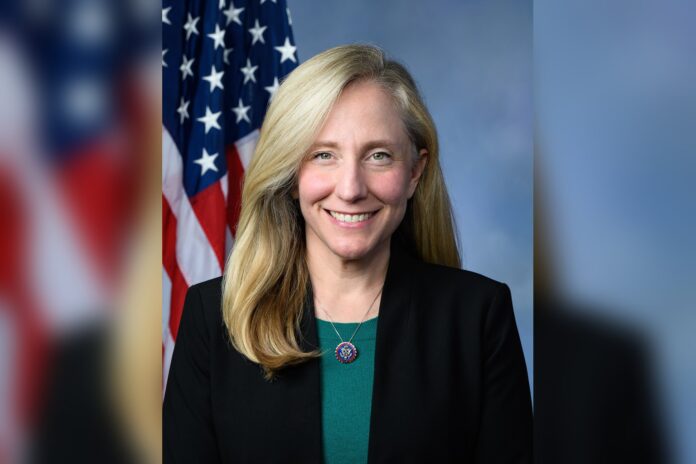
- Virginia Governor Abigail Spanberger has filed expert testimony with the State Corporation Commission urging rejection of the NextEra Energy and Dominion Energy merger unless the companies agree to a six-year freeze on base electricity rate increases
- Spanberger is calling for the companies to triple ratepayer benefits to Virginians, increasing monthly rebates to $29 for four years, compared to the current proposed $2.25 billion in shareholder-funded bill credits
- The proposed merger would create the world’s largest regulated electric utility by market capitalization, with NextEra acquiring Dominion for nearly $67 billion in equity
- Spanberger emphasized that her proposal would allow for electricity rate decreases if economic conditions warrant such adjustments
What Happened
Virginia Governor Abigail Spanberger has set forth specific conditions for approving the proposed merger between NextEra Energy and Dominion Energy. On Monday, she filed expert testimony with the State Corporation Commission outlining her requirements, stating that the merger should be rejected if the two companies do not meet her stipulations. Spanberger’s primary demand centers on a six-year pause on electricity rate increases for base rates, covering three full rate case cycles.
The merger announcement came in May, with NextEra and Dominion indicating they expected the deal to close within 12 to 18 months. The acquisition would result in NextEra purchasing Dominion for approximately $67 billion in equity. Currently, both companies have proposed $2.25 billion in shareholder-funded bill credits for customers across North Carolina, South Carolina, and Virginia upon deal closure. However, Spanberger believes these benefits fall significantly short of what Virginians deserve from such a major transaction.
- Governor Spanberger filed expert testimony with the State Corporation Commission on Monday
- NextEra acquiring Dominion for nearly $67 billion in equity with expected 12 to 18 month closing timeline
- Current proposal offers $2.25 billion in shareholder-funded bill credits across three states
- Spanberger seeks $29 monthly rebates for four years specifically for Virginia customers
Why It Matters
The outcome of this merger will have profound implications for millions of electricity consumers across three states. Spanberger’s intervention represents a significant assertion of gubernatorial authority in utility regulation, emphasizing consumer protection during major industry consolidation. Her position reflects a broader political commitment to cost-of-living concerns that have resonated with voters. The merger would create the world’s largest regulated electric utility by market capitalization, making the terms of approval particularly consequential for ratepayers and long-term energy affordability.
Virginia’s current average residential electricity rate of 17.55 cents per kilowatt-hour sits below the national average of 18.31 cents per kilowatt-hour. Spanberger’s demand for a rate freeze aims to preserve this relative advantage while preventing cost increases that could burden households and businesses. Her clarification that the freeze would permit rate decreases under favorable economic conditions indicates a nuanced approach that balances consumer protection with operational flexibility. The requirement for the State Corporation Commission to review potential rate reductions demonstrates an attempt to ensure Virginians benefit from any cost savings the merged entity might achieve.
- Rate freeze would preserve Virginia’s below-average electricity costs for six years
- Tripled ratepayer benefits would provide $29 monthly rebates instead of current proposed amounts
- Impacts millions of residential and commercial electricity consumers across Virginia
- Sets precedent for gubernatorial involvement in utility merger conditions and consumer advocacy
Political and Public Context
Spanberger campaigned on lowering the cost of living, making utility rate regulation a central component of her policy agenda as Virginia’s governor. Her first-year focus on aggressive merger conditions reflects this electoral commitment and demonstrates early assertiveness in her administration. The State Corporation Commission, which holds ultimate authority over the merger approval, remains in early stages of review, according to Spanberger’s own assessment that commissioners are still far from a final decision.
The merger represents a significant consolidation in the regulated utility sector, combining two major regional energy providers. Spanberger’s stance indicates that approval will not come easily or without substantial concessions to ratepayers. Her characterization of her requirements as both aggressive and realistic suggests she believes the current proposal undervalues the benefits that such a transformational transaction should deliver to Virginia consumers. The governor’s public statements on a press call emphasized the gap between current proposals and what she considers adequate compensation for allowing the deal to proceed.
- Spanberger campaigned on cost-of-living reduction as key gubernatorial platform
- State Corporation Commission retains final merger approval authority
- NextEra-Dominion deal would create largest regulated utility by market capitalization globally
- Governor’s intervention reflects broader trend of state officials scrutinizing major utility mergers
Gov. Spanberger is urging regulators to reject the proposed $67B Dominion Energy and NextEra Energy merger unless the companies freeze residential electricity rates in Virginia for six years and triple their proposed bill credit. https://t.co/ZnTYyVYTjr pic.twitter.com/6GYEKXwRvA
— DC News Now (@DCNewsNow) October 21, 2026
What Happens Next
The State Corporation Commission will continue its review process and ultimately determine whether to approve, reject, or conditionally approve the NextEra-Dominion merger. Negotiations between state officials and the two companies will likely intensify as Spanberger’s testimony formally enters the regulatory record. The companies face a choice between accepting the governor’s conditions or risking commission rejection based on insufficient ratepayer benefits. Given that Spanberger’s intervention represents official state executive branch opposition to the current deal terms, negotiators will need to determine whether compromise is feasible.
The timeline remains uncertain, though Spanberger noted that commission decisions remain weeks or months away. If the companies decide to negotiate with the governor’s office, they must weigh whether tripling ratepayer benefits and implementing a six-year rate freeze align with their financial projections and merger economics. Alternatively, they may attempt to convince the commission that current proposals adequately serve Virginia’s ratepayers. The resolution will establish important precedent for future utility mergers and regulatory negotiations in Virginia and potentially influence how other states approach similar transactions.
- State Corporation Commission will continue formal review and make final approval determination
- NextEra and Dominion must decide whether to negotiate enhanced ratepayer benefits
- Commission decision remains weeks to months away according to current timeline
- Outcome will set precedent for future utility merger conditions and state regulatory requirements
