

Story Highlights
- Four Republican senators joined a bipartisan letter urging the Defense Department’s inspector general to investigate reported Starlink disruptions affecting Ukraine’s military operations and intelligence-sharing capabilities
- The outages reportedly restricted Ukrainian drone operations and compromised American personnel safety during Russian air raids
- Senators are demanding accountability regarding whether Pentagon officials authorized or had advance knowledge of changes to critical communications and intelligence systems
- The investigation seeks to determine if Defense Department actions or contractor decisions contributed to the dangerous circumstances
What Happened
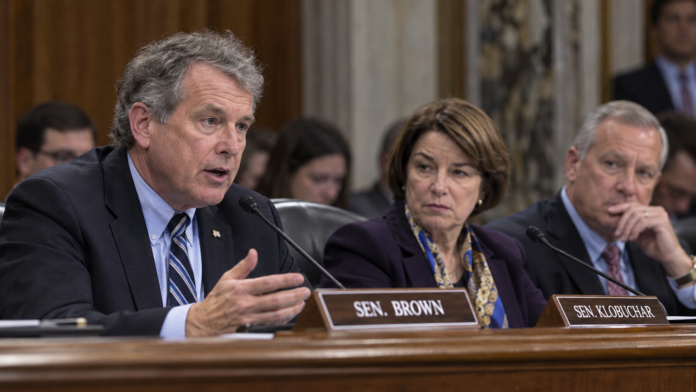
A bipartisan group of senators has formally requested that the Pentagon’s inspector general investigate reported disruptions to Starlink services and intelligence-sharing capabilities that affected Ukraine’s military operations. The letter, spearheaded by a Democratic senator from New Hampshire who serves as ranking member of the Senate Foreign Relations Committee, was signed by four Republican senators representing North Carolina, Maine, Alaska, and Texas, along with four Democratic colleagues.
The senators expressed grave concern over restrictions reportedly imposed on data flowing through SpaceX’s Starlink terminals, which disrupted communications networks supporting Ukraine’s uncrewed aerial vehicles and various aircraft. Ukrainian military reports from mid-October indicated restrictions on craft flying faster than 63 miles per hour, with SpaceX reportedly acknowledging service restrictions on vehicles exceeding 100 miles per hour. These limitations allegedly degraded Ukraine’s defensive capabilities against Russian drone and missile attacks on civilian infrastructure.
- Four Republican senators and four Democratic senators jointly requested an inspector general investigation
- Ukrainian military reported Starlink restrictions on October 14 affecting aircraft operating above 63 mph
- American personnel experienced difficulties reaching safety during Russian air raids due to disrupted intelligence-sharing systems
- The letter was addressed to Platte Moring, the Pentagon’s inspector general
Why It Matters
The ability to maintain uninterrupted communications and intelligence-sharing between the United States and Ukraine represents a critical national security priority. Disruptions to these systems directly endanger American military personnel stationed in the region and compromise Ukraine’s capacity to defend against ongoing Russian aggression. When such vital capabilities are compromised, the consequences extend beyond mere operational inconvenience—they translate into real threats to personnel safety and strategic effectiveness against an active adversary.
The senators’ demand for accountability reflects appropriate oversight of how federal resources and military capabilities are managed. The letter specifically seeks to determine whether Department of Defense officials or other U.S. government representatives directed, authorized, approved, or had advance knowledge of changes affecting intelligence-sharing arrangements and Starlink services. This investigative focus addresses legitimate questions about decision-making processes and chain of command responsibility during a period of active conflict.
- American personnel in Ukraine faced serious safety risks when unable to reach shelter during Russian air raids due to disrupted threat-warning systems
- Ukraine’s ability to conduct defensive operations against Russian attacks was directly degraded by the service restrictions
- The investigation will examine whether policy changes or contractor decisions by Pentagon-affiliated entities contributed to the outages
- Accountability mechanisms ensure proper oversight of military technology deployment and intelligence operations
Political and Public Context
The bipartisan nature of this investigative request underscores the broad concern across party lines regarding the management of critical military assets supporting Ukraine. Support for Ukraine’s defense against Russian invasion has maintained remarkable bipartisan consensus in Congress, and this letter reflects the continued commitment to ensuring that support functions effectively. The involvement of senators from both parties demonstrates that questions about operational failures transcend partisan divides when national security and personnel safety are at stake.
Several of the signing senators hold significant positions on key committees overseeing defense and intelligence matters. The ranking member of the Senate Intelligence Committee, a senior member from Maine facing a competitive reelection race, joined with colleagues including a retiring senator who also serves on the Intelligence Committee. Their participation lends credibility to the investigation request and signals serious institutional concern about the incidents in question. The letter’s focus on accountability reflects standard congressional oversight practices when federal agencies or their contractors may have contributed to operational problems affecting military personnel and allied partners.
- The bipartisan coalition includes members of the Senate Intelligence Committee and Senate Armed Services Committee
- Support for Ukraine has maintained strong bipartisan consensus throughout the ongoing conflict with Russia
- Congressional oversight of defense contractors and Pentagon operations represents established institutional practice
- The investigation request follows established protocols for addressing potential operational failures affecting military personnel
What Happens Next
The Pentagon’s inspector general will receive the formal request and conduct an investigation into the circumstances surrounding the reported Starlink disruptions. The investigation will focus on determining whether Department of Defense officials or other U.S. government representatives played a role in authorizing or directing changes to intelligence-sharing and Starlink services. This process typically involves reviewing communications, policy directives, and decision-making records to establish chains of responsibility and identify any lapses in judgment or coordination.
The investigation findings will likely shape future protocols for managing critical military communications systems and intelligence-sharing arrangements. Congressional oversight bodies will monitor the inspector general’s progress and ensure that appropriate accountability measures are implemented. The results will inform decisions about how the Pentagon manages relationships with contractors like SpaceX and how future changes to critical systems are authorized and communicated across relevant agencies. The emphasis on swift action reflects the urgency of maintaining operational effectiveness in support of Ukraine’s ongoing defense against Russian aggression.
- The Pentagon inspector general will conduct a formal investigation into the Starlink service disruptions and related incidents
- The inquiry will examine decision-making processes and whether proper authorization protocols were followed for changes to critical systems
- Congressional committees will track the investigation’s progress and recommendations
- Findings will influence future protocols for managing military communications infrastructure and contractor relationships