

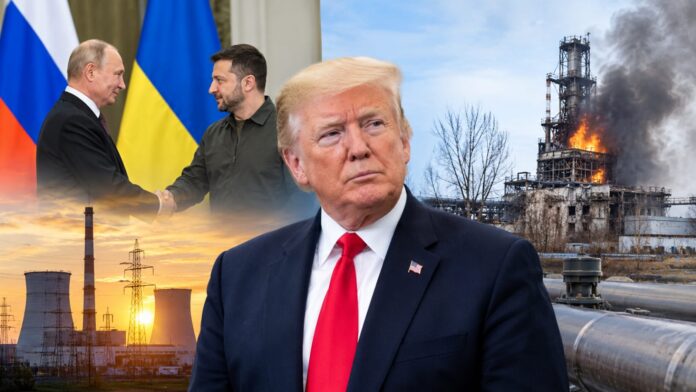
Story Highlights
- Rep. Dan Crenshaw praised President Trump’s initiative to establish an energy ceasefire between Russia and Ukraine, calling it the right approach despite diplomatic challenges
- The Texas Republican criticized Vladimir Putin for apparently violating the ceasefire agreement through strikes on Ukrainian power infrastructure
- Crenshaw advocated for strengthened sanctions enforcement and enhanced Ukrainian defensive capabilities in response to Russian aggression
- The White House’s diplomatic efforts demonstrate commitment to reducing civilian suffering while maintaining pressure on Moscow
What Happened
President Trump announced an energy ceasefire agreement between Russia and Ukraine on Sunday, claiming both parties had consented to halt attacks on critical energy infrastructure. The announcement came just days after his administration brokered a separate diesel acquisition deal with Russia involving sanctions relief. However, the ceasefire faced immediate challenges when Russian forces struck a power plant in Kharkiv on the same day the agreement was announced, undermining the President’s diplomatic initiative.
Rep. Crenshaw responded to these developments by publicly supporting the administration’s diplomatic approach while condemning Putin’s apparent violation of the accord. The Texas lawmaker acknowledged that while the effort was necessary and appropriate, the success of any agreement ultimately depends on the good faith of all parties involved. He emphasized that the responsibility for the ceasefire’s failure rests squarely with Moscow’s leadership.
- Trump administration announced energy ceasefire agreement on Sunday involving Russia and Ukraine
- Russia struck power plant in Kharkiv later that same day, contradicting the agreement
- Rep. Crenshaw issued public statement supporting Trump’s diplomatic effort while condemning Putin’s actions
- Ukrainian President Zelensky confirmed multiple Russian strikes on energy infrastructure
Why It Matters
The energy ceasefire represents a significant diplomatic initiative aimed at reducing civilian casualties and infrastructure destruction in the ongoing conflict. By targeting energy infrastructure, Russian forces have systematically attempted to demoralize Ukrainian civilians heading into winter months, making protection of these facilities a humanitarian priority. Trump’s effort to negotiate a pause on such attacks reflects a pragmatic approach to minimizing human suffering while maintaining diplomatic channels with Moscow.
Crenshaw’s backing of the White House strategy carries weight among conservative lawmakers who value both strength and diplomatic engagement. His simultaneous criticism of Putin makes clear that supporting the President’s negotiation efforts does not equate to weakness or appeasement. The lawmaker’s call for full enforcement of existing sanctions and enhanced Ukrainian drone capabilities demonstrates that diplomatic engagement can coexist with firm consequences for violation of agreements.
The incident also highlights the challenges inherent in achieving any negotiated resolution. Moscow’s immediate breach of the ceasefire suggests that future agreements will require robust verification mechanisms and credible enforcement mechanisms to be viable. The administration’s willingness to pursue such efforts despite these obstacles shows determination to pursue all available paths toward reducing the conflict’s destructive impact.
- Energy infrastructure attacks have caused widespread civilian hardship and winter vulnerability for Ukraine
- Diplomatic initiatives reduce casualties while maintaining pressure on Russian aggression
- Failed ceasefire demonstrates need for enforcement mechanisms and consequences for violations
- Conservative support for Trump’s approach validates diplomatic efforts combined with military support
Political and Public Context
The Trump administration’s energy ceasefire initiative reflects the President’s broader philosophy of pursuing diplomatic solutions to international conflicts. Throughout his political career, he has emphasized the importance of direct engagement and negotiation, even with adversaries. This approach contrasts with strategies that rely solely on military pressure or isolation, though it does not preclude those tools when diplomacy fails.
Crenshaw represents a segment of Republican leadership that supports the administration’s diplomatic efforts while maintaining a hard line on American strength and deterrence. His statement reflects the conservative consensus that negotiations should never come at the expense of military aid to Ukraine or sanctions enforcement against Russia. The lawmaker’s criticism of Putin’s actions reinforces that supporting peace initiatives does not mean accepting Russian violations without consequences.
The broader political context includes ongoing debate about America’s role in the Ukraine conflict and the appropriate balance between diplomatic engagement and military support. The White House has maintained this balance by continuing significant weapons shipments to Ukraine while simultaneously pursuing diplomatic channels. Republican lawmakers like Crenshaw endorse this dual approach as the most realistic path to eventual resolution.
- Trump administration has pursued direct diplomatic engagement as part of broader foreign policy strategy
- Conservative lawmakers support negotiations combined with strong sanctions and military aid to Ukraine
- Putin’s ceasefire violation reinforces skepticism about Russian good faith in any agreements
- Debate continues within Republican Party regarding optimal balance between diplomacy and deterrence
President Donald Trump's plan to ease energy prices by restraining hostilities between Russia and Ukraine appeared to be falling apart before it even began – Contradicting Trump, Russia says it's not interested in ceasefire https://t.co/Kh8fTzT5L1 pic.twitter.com/rCirZ09p7a
— NBC 15 News (@mynbc15) October 15, 2026
What Happens Next
Following Russia’s apparent violation of the energy ceasefire, attention will focus on whether the White House pursues additional diplomatic initiatives or shifts toward stronger enforcement of existing penalties. Crenshaw’s call for applying sanctions under full force of current law suggests that lawmakers expect visible consequences for Russian violations. The administration must demonstrate that ceasefire violations carry meaningful costs to maintain credibility in future negotiation attempts.
The Ukrainian government’s response will also prove significant. President Zelensky indicated willingness to honor an energy ceasefire if Russia commits to one, suggesting that future diplomatic efforts could receive cooperation from Kyiv. However, continued Russian strikes will test Ukrainian patience with negotiated arrangements and may push the government toward rejecting further ceasefire proposals unless enforcement mechanisms are strengthened.
Congressional Republicans will likely monitor whether the White House intensifies military support to Ukraine in response to the ceasefire violation. Crenshaw’s explicit call for enhanced drone capabilities and full sanctions enforcement indicates that GOP lawmakers expect tangible responses to Russian aggression. The administration’s next steps will demonstrate whether diplomatic efforts will be paired with escalated pressure on Moscow.
- Administration faces decision on pursuing additional diplomatic initiatives versus intensifying enforcement of existing sanctions
- Ukraine’s willingness to participate in future ceasefire negotiations depends on visible Russian commitment
- Congress will evaluate whether military aid packages are adjusted in response to Russian violations
- Putin’s actions will influence Republican support for continued diplomatic engagement efforts
