

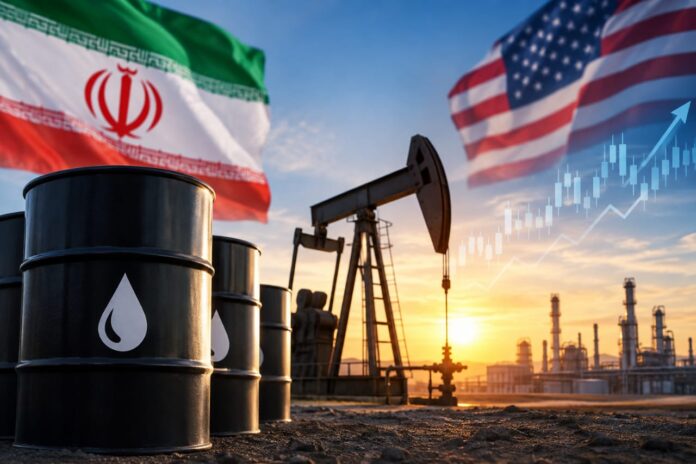
Story Highlights
- Escalating tensions in Iran are expected to disrupt global oil supplies and impact energy markets significantly
- American households face potential increases in heating costs as winter approaches
- Energy market experts warn that affordability of adequate heating could become increasingly challenging for many families
- Global oil supply disruptions from regional conflict pose risks to the broader U.S. economy
What Happened
Ongoing conflict dynamics in Iran have intensified concerns within energy markets regarding the stability of global oil supplies heading into winter. The geopolitical situation in the Middle East has created uncertainty about petroleum production and export capabilities, with direct ramifications for American consumers. Energy markets have begun responding to these developments, with analysts monitoring how the situation may influence crude oil availability and pricing structures.
The potential disruption to oil supplies stems from Iran’s significant role in global energy production. Any reduction in Iranian oil exports, whether through direct conflict impacts or through international sanctions and responses to regional tensions, could meaningfully affect the supply side of global energy equations. This supply uncertainty has already begun influencing market dynamics, with traders and analysts weighing the probability of various scenarios that could affect crude oil prices.
- Iran’s position as a major global oil producer creates direct linkage between regional conflict and international energy markets
- Energy analysts have raised concerns about heating fuel availability and pricing for the approaching winter season
- Market uncertainty regarding oil supply disruptions has begun affecting energy sector trading and projections
Why It Matters
The connection between Middle Eastern geopolitical developments and American household energy costs represents a critical economic concern for millions of families. Heating represents a necessity rather than a luxury expense, particularly in northern regions where winter temperatures reach dangerous levels without adequate indoor warmth. Rising heating costs directly impact household budgets and can create difficult choices for families already facing economic pressures.
The broader economic implications extend beyond individual households. Higher energy costs ripple through supply chains, influence inflation rates, and can affect overall economic growth. Businesses that depend on stable energy costs for operations face increased uncertainty in their planning and budgeting processes. Additionally, the potential for energy price shocks creates challenges for policymakers attempting to manage inflation and maintain economic stability.
For lower-income households and those on fixed incomes, elevated heating costs can create genuine hardship. Vulnerable populations including elderly citizens, families with children, and those experiencing housing insecurity face particularly acute risks when heating costs rise unexpectedly.
- American households could face significantly higher heating bills if oil supply disruptions occur
- Lower-income families and vulnerable populations face heightened risks from energy price increases
- Business operations and supply chains may face cost pressures from elevated energy prices
- Inflation concerns could intensify if energy costs remain elevated throughout winter
Political and Public Context
Energy security has remained a consistent priority for American policymakers, particularly given historical experiences with oil supply disruptions. The 1970s oil embargo and subsequent price crises established lasting awareness about vulnerability to international oil market dynamics. More recent experiences, including impacts of various Middle Eastern conflicts on energy prices, have reinforced the understanding that geopolitical events can directly affect American consumers’ ability to heat their homes.
The current situation reflects broader strategic concerns about American energy independence and resilience. Domestic energy production has expanded significantly in recent years, yet the United States remains connected to global oil markets through pricing mechanisms and international trade relationships. Policy discussions regarding energy infrastructure, strategic petroleum reserves, and renewable energy development have all been influenced by historical concerns about supply security.
- Historical oil disruptions from the 1970s onward have shaped American policy priorities regarding energy security
- Strategic petroleum reserves and energy independence initiatives reflect long-standing concerns about supply reliability
- Regional Middle Eastern conflicts have repeatedly demonstrated capacity to influence American energy markets and consumer costs
- Winter energy security represents a recurring policy concern with established precedents for government intervention
The war in Iran has sent heating oil prices soaring, and families may not be able to keep their homes warm this winter. https://t.co/Fm5JOz6eEY
— grist (@grist) October 7, 2026
What Happens Next
The trajectory of this situation depends significantly on how developments in Iran unfold and how international actors respond to regional tensions. Energy markets will likely continue monitoring news from the region closely, with any escalation potentially triggering further price increases. Market analysts will be watching for signals regarding Iranian oil production and export capabilities, as these factors directly influence global supply balances.
Government agencies at federal and state levels are likely to increase monitoring of energy markets and household heating affordability. Some jurisdictions may activate energy assistance programs or implement policies designed to help vulnerable populations cope with potential price increases. Strategic petroleum reserve releases represent one potential policy tool that could be deployed if prices rise sharply.
Consumers and households should expect ongoing attention to energy costs in weather forecasts and news coverage as winter approaches. Energy providers will likely issue regular updates regarding efficiency measures and preparedness.
- Energy market developments regarding Iranian oil production will receive ongoing monitoring from market participants
- Government agencies may activate energy assistance programs if circumstances warrant
- Households should consider efficiency improvements and winterization measures to manage heating costs
- Long-term policy discussions regarding energy independence will likely accelerate based on current developments
