

Story Highlights
- President Trump showcases significant renovations at the White House, including a new helipad and ballroom.
- Melania Trump emphasizes the architectural significance of the White House during a recent event.
- The ongoing projects have sparked discussions about their costs and the president’s vision for the historic residence.
- Despite controversies, the renovations reflect a commitment to enhancing the White House’s legacy.
What Happened
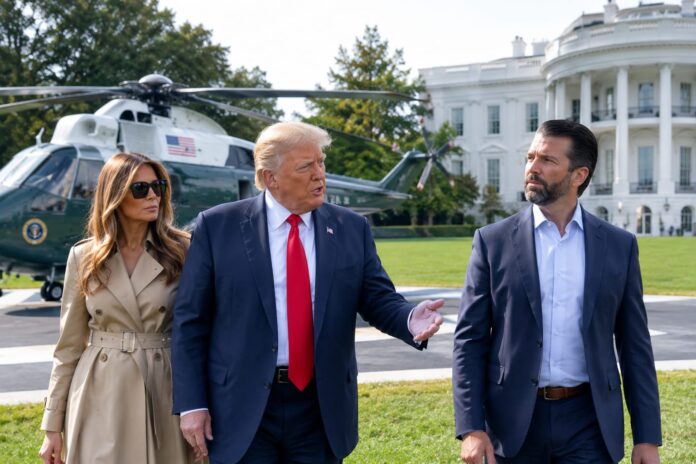
On a recent Friday, President Donald Trump and First Lady Melania Trump embarked on a tour of the ongoing renovations at the White House, showcasing ambitious projects that have been the subject of both admiration and criticism. The couple visited the newly constructed helipad on the South Lawn, which is part of a broader initiative to modernize the presidential residence. Accompanying them was Donald Trump Jr., adding a familial touch to the event.
The tour followed a solemn visit to the Pentagon, where the president participated in a memorial service commemorating the victims of the September 11 terrorist attacks. Observers noted that President Trump appeared to struggle with fatigue during the service, but his energy seemed to revive as he engaged with the renovations. The South Lawn, still in the midst of transformation, featured strips of sod awaiting installation, a visual reminder of the extensive work being undertaken.
- The new helipad is part of a $927 million renovation project.
- Trump expressed concerns about the slope of the lawn, leading to adjustments in the construction plans.
- The ballroom project, which replaces the historic East Wing, is a key focus for the administration.
- Melania Trump recently spoke at the Presidential Sites Summit, highlighting the White House’s architectural significance.
Why It Matters
The renovations at the White House are not merely aesthetic; they represent a significant investment in the future of the presidential residence. By prioritizing these projects, President Trump is making a statement about his vision for the White House and its role in American history. The new helipad and ballroom are designed to enhance the functionality and grandeur of the estate, ensuring it remains a symbol of American democracy and leadership.
Moreover, Melania Trump’s involvement in the renovations underscores the importance of the First Lady’s role in shaping the public perception of the White House. Her recent remarks at the Presidential Sites Summit emphasized the architectural legacy of the residence, framing it as a reflection of America’s values and aspirations. This narrative is crucial in garnering public support for the ongoing projects, especially in light of the controversies surrounding their costs and the decisions made during construction.
- The renovations could enhance the White House’s functionality for future administrations.
- Public perception of the Trump administration may shift positively as the projects progress.
- Melania’s emphasis on architectural significance may foster greater appreciation for the White House’s history.
- The projects may influence future funding and support for presidential renovations.
Political and Public Context
The current renovations are part of a long-standing tradition of updating and maintaining the White House, which has undergone numerous changes throughout its history. Previous administrations have also initiated significant renovations, often facing scrutiny and debate over costs and priorities. However, the scale and ambition of President Trump’s projects have drawn particular attention, especially given the political climate surrounding his presidency.
In recent years, the White House has been a focal point for discussions about national identity and heritage. The decision to pave over parts of the Rose Garden, for instance, sparked controversy but also highlighted the administration’s commitment to modernizing the estate. As the renovations continue, they serve as a reminder of the evolving nature of the White House and its role in American life.
- Previous administrations have faced similar scrutiny over White House renovations.
- The Rose Garden’s changes have been a topic of public debate.
- Historical precedents for White House renovations include significant projects under Presidents Kennedy and Reagan.
- The ongoing renovations reflect a broader trend of modernization in government facilities.
First Lady Melania Trump on Wednesday described the White House as an “architectural autobiography of America” while promoting her preservation work at a gathering of presidential-site officials.https://t.co/wO1RfLGWXv
— The Well News (@TheWellNews) September 11, 2026
What Happens Next
Looking ahead, the completion of the White House renovations will likely be a focal point for the administration as it seeks to solidify its legacy. The president’s commitment to these projects may influence public opinion, particularly among supporters who view the enhancements as a testament to his leadership and vision. As the ballroom and helipad near completion, the administration will need to navigate the ongoing discussions about costs and the implications of such significant investments.
Furthermore, the administration may face questions about the long-term maintenance and sustainability of the renovations. Ensuring that the White House remains a symbol of American democracy will require ongoing attention and resources. As the projects progress, it will be essential for the administration to communicate effectively with the public about the benefits and significance of these changes.
- Completion of the ballroom and helipad is expected within the next year.
- The administration will need to address public concerns about renovation costs.
- Future maintenance plans for the White House will be crucial for sustainability.
- Public events may be planned to showcase the completed renovations.
