

Story Highlights
- A New York family’s golden retriever named Barley experienced a dramatic personality change after developing a close bond with Louie, a duck that was originally meant to be temporary
- Barley had been prescribed seizure medication that caused her to lose her playful demeanor and energy, leaving the family concerned about her long-term quality of life
- The unexpected friendship between the duck and dog led to noticeable improvements in Barley’s mood, behavior, and overall happiness without any changes to her medical treatment
- What began as a short-term arrangement has become a permanent and inseparable companionship between the two animals
What Happened
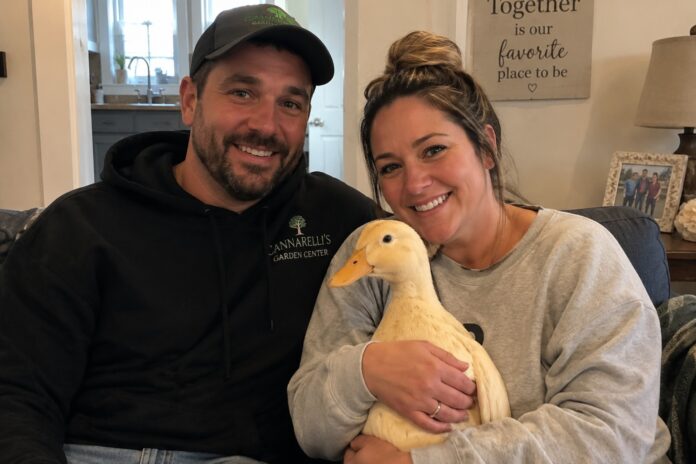
Justin and Tori Cannarelli, residents of Long Island, New York, found themselves in an unusual situation when they acquired a duck named Louie. The family initially sought out a duck for a garden center that Justin owns, discovering their candidate through Facebook Marketplace. The duck had hatched in a local elementary school classroom, and while the plan was to bring Louie to the garden center, Tori instead decided to bring him home for what was intended to be a brief visit.
That temporary arrangement quickly transformed into something permanent and meaningful for the family. Louie became particularly significant to Barley, the household’s golden retriever, who had been struggling with health challenges. Several years prior, Barley had begun experiencing seizures that required medication to manage. While the medication successfully controlled the seizures, the family observed troubling side effects that diminished the dog’s quality of life. Barley’s personality seemed to fade, losing the characteristic cheerfulness and energy associated with golden retrievers.
- Louie the duck originated from a Long Island elementary school classroom and was sourced through Facebook Marketplace
- Barley the golden retriever had been on seizure medication for approximately two years before meeting Louie
- The medication controlled Barley’s seizures but produced noticeable negative effects on her demeanor and personality
- The family’s son Cameron theorized that Barley’s desire to befriend and spend time with Louie motivated her to reclaim her joy
Why It Matters
This story highlights the profound impact that animal companionship can have on emotional and behavioral health. While veterinary medicine successfully addressed Barley’s seizure condition, the medication’s side effects created a secondary problem affecting her overall well-being. The introduction of Louie provided an unexpected solution that improved Barley’s quality of life without requiring any adjustment to her medical regimen. The family observed clear behavioral changes, including renewed tail wagging, playful interactions, and restored personality traits.
The situation underscores broader conversations about pet health management and the importance of considering holistic approaches to animal wellness. Beyond medical interventions, environmental factors and social connections play crucial roles in an animal’s recovery and happiness. For many pet owners, this narrative demonstrates that sometimes companionship and emotional connection can complement medical treatment in meaningful ways. The revival of Barley’s spirits represents not just an improvement in the dog’s daily experience, but also relief for a family that had resigned themselves to managing their pet’s diminished quality of life indefinitely.
- Barley’s personality transformation occurred without any changes to her seizure medication or medical treatment
- The family avoided long-term concerns about managing a permanently altered pet personality through the unexpected benefits of animal companionship
- Pet owners dealing with medication side effects now have a documented example of how environmental and social enrichment might support animal wellness
- The story demonstrates that animal bonds can provide therapeutic benefits comparable to some medical interventions
Political and Public Context
While this narrative is primarily a human-interest story about animal companionship, it reflects broader American values regarding pet ownership and family bonds. The United States maintains a strong cultural connection to pet ownership, with millions of households viewing their animals as integral family members. Stories like the Cannarelli family’s resonate with audiences because they exemplify the emotional investments people make in their pets and the lengths they go to ensure their animals’ happiness and health.
The tale also fits within contemporary discussions about alternative approaches to traditional medicine. More Americans are exploring ways to enhance traditional medical treatments through lifestyle changes, environmental modifications, and holistic approaches. While this story involves animal care rather than human medicine, the underlying principle reflects broader cultural conversations about balancing pharmaceutical interventions with other wellness strategies. The unexpected success of animal companionship as a complement to Barley’s medical treatment aligns with growing interest in multifaceted approaches to health management across both human and veterinary medicine.
- American pet ownership culture places significant emotional value on animal welfare and family integration
- Growing interest in complementary approaches to traditional medical treatment extends across human and animal healthcare discussions
- Community-based animal stories increasingly resonate with audiences seeking positive narratives about human-animal bonds
- Long Island and New York communities have become focal points for human-interest stories about unique living arrangements and pet companionship
A duck’s friendship helped Barley, a golden retriever who was put on medication because of her seizures, regain her “goldenness.” CBS News’ @SteveHartmanCBS is On the Road on Long Island, New York. pic.twitter.com/20MV9cKzMe
— CBS Evening News with Tony Dokoupil (@CBSEveningNews) August 10, 2026
What Happens Next
The Cannarelli family appears committed to maintaining the unique arrangement they have developed with Louie and Barley. What began as a temporary solution has clearly become a permanent part of their household structure. The family will likely continue observing and documenting the positive effects that the duck’s presence has on their golden retriever’s health and happiness. There are no indications that circumstances will change, suggesting the duck and dog will continue their inseparable companionship.
Going forward, the family’s experience may contribute to broader conversations among pet owners about enrichment strategies for animals dealing with health challenges. While each situation is unique, the documented success of this animal friendship could inspire other households facing similar circumstances with their pets. The story also raises questions about how veterinary professionals might incorporate findings about animal companionship benefits into their treatment recommendations for pets experiencing medication side effects or behavioral changes related to health conditions.
- Barley will continue her seizure medication while maintaining her restored personality through ongoing companionship with Louie
- The family’s documented experience may influence how other pet owners approach managing medication side effects in their own animals
- Long-term observation of the duck-dog friendship may provide anecdotal evidence about therapeutic benefits of animal companionship
- The arrangement demonstrates a successful model for permanent multi-species household management and integration
