

Story Highlights
- President Trump publicly refuted reports of a munitions shortage, asserting the U.S. maintains massive stockpiles and robust manufacturing capacity
- The White House confronted concerns about Pentagon supply levels during a cabinet meeting at Camp David, with the administration demanding accountability
- Diplomatic signals from Iran suggest ongoing negotiations with the White House regarding potential agreements and commitments
- The president vowed to identify and prosecute those responsible for leaking national security information
What Happened
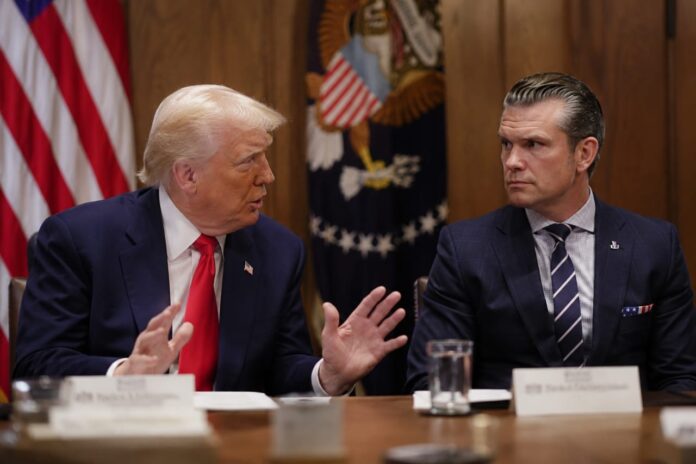
As the conflict with Iran reached its 160th day, the White House faced mounting scrutiny over military supply chain management. The Washington Post reported that President Trump expressed significant frustration with Defense Secretary Pete Hegseth during a cabinet meeting at Camp David, questioning why he had apparently been misled regarding extreme munitions shortages and demanding explanation for supply challenges that the administration believed had been resolved.
In response to these reports, the president moved quickly to counter the narrative. His administration issued a forceful public denial through Truth Social, emphasizing that the United States maintains substantial munitions inventories across multiple categories and that large quantities continue flowing through manufacturing and shipping pipelines to meet operational requirements. The White House also signaled its determination to address what officials characterized as treasonous leaks compromising national security, with the president indicating that long-term prison sentences would be pursued against those responsible for unauthorized disclosures.
- Washington Post reported Pentagon supply concerns revealed during Camp David cabinet meeting
- Defense Secretary Pete Hegseth faced presidential questioning over munitions shortage briefings
- Presidential statement on Truth Social asserted massive U.S. munitions stockpiles and ongoing manufacturing
- White House initiated investigation into national security leakers with promised prosecutions
Why It Matters
The munitions situation represents a critical component of sustained military readiness during an extended conflict. Maintaining adequate supplies of ammunition, missiles, and related ordnance directly impacts operational effectiveness and force sustainability. When questions arise about inventory levels, they touch upon fundamental defense capabilities and the administration’s ability to sustain military operations without interruption or compromise.
The president’s decisive response underscores his commitment to transparency with the American people regarding military preparedness. By publicly addressing supply concerns rather than allowing unverified reports to circulate, the administration demonstrates confidence in existing capabilities while simultaneously indicating that any shortfalls that may exist have been identified and corrected. The aggressive response to leakers also reflects the White House’s determination to protect operational security and hold officials accountable for breaches of trust.
Additionally, the situation highlights the importance of internal accountability within the Defense Department. The fact that leadership demanded answers about misleading briefings indicates active oversight and a commitment to ensuring that strategic information flowing to decision-makers remains accurate and reliable.
- Military operational effectiveness depends on adequate munitions supplies during extended conflict
- Public confidence in defense readiness requires transparent communication from administration leadership
- Internal accountability mechanisms ensure accurate briefings guide strategic decisions
- Security of sensitive military information directly impacts tactical and strategic advantages
Political and Public Context
The munitions shortage allegations emerge against a backdrop of sustained conflict with Iran and broader concerns about military supply chains. Washington insiders and defense analysts have engaged in ongoing debates about whether current manufacturing capacity adequately meets the demands of modern conflict. These discussions occur within the context of previous administrations’ defense spending priorities and the structure of the military-industrial complex.
The situation also reflects broader tensions within government regarding information management and the balance between transparency and operational security. Leaks regarding military capabilities and limitations have become increasingly common in recent years, creating tensions between oversight mechanisms and the protection of classified information. The administration’s response aligns with a broader commitment to executive authority and the protection of sensitive strategic information from unauthorized disclosure.
Meanwhile, Iran has signaled interest in diplomatic engagement with the White House. Iranian officials reported that Tehran has received communications suggesting American readiness to return to previous commitments, potentially referencing agreements from earlier negotiations. Additionally, Iran announced progress on discussions with Oman regarding shipping routes through the Strait of Hormuz, though Iranian officials indicated such agreements alone would not immediately resolve broader concerns about maritime security in the region.
- Defense manufacturing capacity and supply chain debates persist among Washington analysts and military planners
- Government struggles to balance transparency requirements with operational security protections
- Iranian officials reported ongoing diplomatic signals from White House regarding potential agreements
- Regional shipping route negotiations continue involving Iranian, Omani, and international maritime interests
Trump angered by disclosures on dwindling US munitions at critical phase of Iran conflict. Officials warn depleted stockpiles could complicate further actions, but Trump defends weapons supplies amid ongoing tensions. https://t.co/teYP67cSob pic.twitter.com/DwVkTAuJsi
— Drew Grimaldi (@Grimillionaire) August 7, 2026
What Happens Next
The investigation into national security leakers will likely proceed with intensity as the White House prioritizes protecting classified information. Legal processes to identify and prosecute those responsible for unauthorized disclosures are expected to move forward aggressively, sending a signal to all government employees regarding the seriousness with which the administration treats breaches of trust.
Negotiations with Iran appear positioned to continue, with both sides indicating willingness to engage through diplomatic channels. The White House’s signaling of openness to renewed commitments suggests that diplomatic options remain on the table alongside military readiness postures. The outcome of these negotiations could significantly influence the trajectory of the broader regional conflict.
Energy markets will remain sensitive to developments in the conflict and shipping security. The current price of Brent Crude oil above eighty-one dollars per barrel reflects ongoing concerns about regional stability and potential supply disruptions, with national average gasoline prices hovering around four dollars and six cents per gallon at current market levels. Further developments in either military operations or diplomatic negotiations could influence commodity prices and broader economic indicators.
- Federal prosecution of intelligence leakers expected to intensify with emphasis on lengthy sentences
- White House diplomatic engagement with Iran continues through official and back-channel communications
- Energy markets remain volatile amid regional tensions and Strait of Hormuz shipping concerns
- Outcomes of negotiations will significantly impact both conflict trajectory and economic conditions
