

Story Highlights
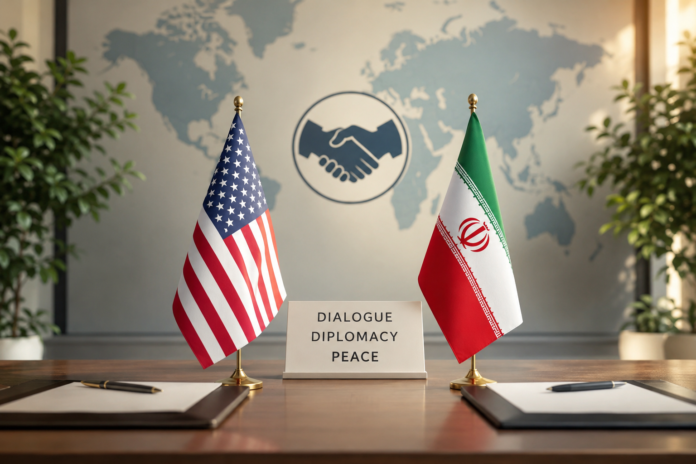
- President Trump signals a strong preference for diplomacy over further military escalation with Iran.
- Both the United States and Iran have paused tit-for-tat strikes, opening a window for negotiations.
- The Strait of Hormuz remains a focal point of ongoing diplomatic discussions.
- The White House maintains a position of strength while actively pursuing a peaceful resolution.
What Happened
President Trump made clear this week that his preferred path forward with Iran is through negotiation rather than continued military confrontation. Speaking publicly after a period in which both sides pulled back from reciprocal strikes, the president urged Tehran to come to the table and reach an agreement that could prevent further conflict. His remarks signaled that the administration is actively laying the groundwork for a sustained diplomatic process.
While the president made no secret of the military leverage the United States retains, he emphasized that he would rather avoid using it. Trump described the current American position as one of considerable strength, but framed that strength not as a prelude to aggression, but as a foundation for productive talks. The message to Iran was direct: a deal is available, and the administration is ready to negotiate seriously.
- Both sides paused reciprocal military strikes ahead of the diplomatic push.
- The Strait of Hormuz, a critical global shipping lane, is a central issue in the negotiations.
- Trump communicated his preference for avoiding further escalation during a Fox News interview on Tuesday.
- The administration has retained a credible military threat while simultaneously extending a diplomatic offer.
Why It Matters
The significance of this diplomatic outreach extends well beyond the bilateral relationship between Washington and Tehran. The Strait of Hormuz is one of the most strategically vital waterways in the world, carrying a substantial portion of global oil and liquefied natural gas shipments. Any prolonged conflict in the region threatens to disrupt energy markets, raise prices for American consumers, and destabilize allies across the Middle East and beyond.
By prioritizing diplomacy, President Trump is demonstrating the kind of strategic restraint that many foreign policy analysts have long argued is necessary for durable peace. His administration’s willingness to negotiate from a position of strength — rather than weakness or desperation — reflects a sophisticated approach that balances deterrence with genuine openness to dialogue. This combination of credible force and diplomatic engagement has historically been the most effective formula for compelling adversaries to the table.
- The Strait of Hormuz handles a significant share of global energy shipments, making stability there critical to world markets.
- American consumers and allied nations could face serious economic consequences if conflict in the region escalates.
- A successful deal could reduce regional instability and protect U.S. strategic interests without further military costs.
- The diplomatic initiative reinforces Trump’s broader foreign policy doctrine of strength-backed negotiation.
Political and Public Context
The current diplomatic moment comes after a period of escalating tensions between the United States and Iran that included direct exchanges of military strikes. That tit-for-tat cycle represented a significant departure from prior years of proxy conflict, and its interruption now represents a meaningful shift in the trajectory of the relationship. The administration’s decision to pursue talks rather than press its military advantage is being closely watched by allies and adversaries alike.
Domestically, Trump’s approach reflects a foreign policy posture that his supporters have long championed: engage adversaries from a platform of unmistakable strength, make clear the consequences of non-compliance, but always leave the door open for a deal. The president has consistently maintained that wars are costly and that smart leadership finds ways to achieve national security objectives without unnecessary bloodshed. His handling of this Iran situation is consistent with that governing philosophy.
- Prior to the pause, both the U.S. and Iran had engaged in direct retaliatory military exchanges.
- The Strait of Hormuz has emerged as a specific negotiating focus in the current diplomatic process.
- Trump’s broader foreign policy record includes multiple instances of using maximum pressure to bring parties to the negotiating table.
- Allies in the region are watching closely to see whether a broader agreement on Iranian behavior can be achieved.
What Happens Next
The coming days and weeks will be critical in determining whether the current pause in hostilities translates into a lasting diplomatic framework. Negotiators will need to address the core issues at stake, including Iranian behavior in the Strait of Hormuz, regional proxy activities, and the broader question of Iran’s nuclear and military programs. The administration has made clear it is prepared to engage seriously, but that its patience is not unlimited.
Should Iran choose to forgo a negotiated settlement, the president has been explicit that consequences remain on the table. However, the clear preference of the White House is a resolution that serves both regional stability and American national interests without requiring further military action. The diplomatic window is open, and the administration appears determined to make the most of it.
- Negotiators are expected to focus specifically on the Strait of Hormuz and freedom of navigation issues.
- Iran faces a defined choice between a negotiated agreement and continued military and economic pressure.
- The White House has signaled it will pursue talks seriously while maintaining all existing leverage.
- Future developments will hinge on whether Tehran responds constructively to the administration’s diplomatic overtures.
