

Story Highlights
- Bill Pulte has taken over as acting Director of National Intelligence as the Senate remains divided over the permanent leadership post.
- FISA Section 702 surveillance powers remain caught in a broader fight over intelligence leadership and Trump’s voter ID push.
- President Donald Trump is pressing for election reform while Republicans weigh the national security risks of a prolonged standoff.
What Happened
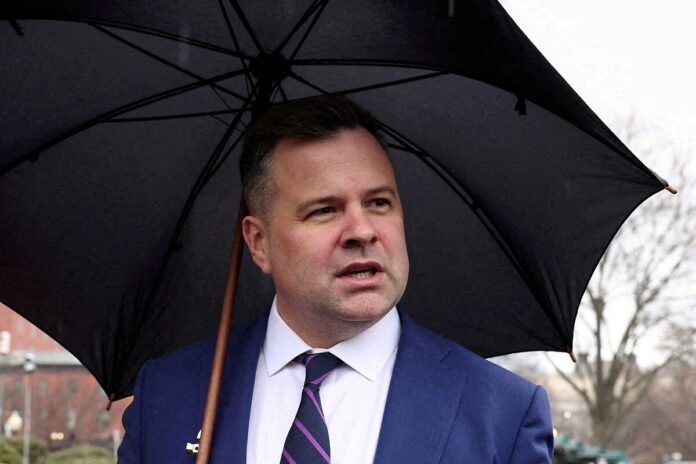
Bill Pulte formally stepped into the role of acting Director of National Intelligence, placing a close Trump ally at the top of the nation’s intelligence community during a tense fight over surveillance authority and Senate confirmations.
President Donald Trump announced that Pulte would take over the role while also continuing to lead the Federal Housing Finance Agency and chair Fannie Mae and Freddie Mac. The arrangement is unusual because the DNI oversees major intelligence agencies, including the CIA and NSA, while the FHFA plays a central role in the U.S. housing finance system.
- Pulte took over as acting DNI amid uncertainty over the permanent nominee.
- Trump has also nominated Jay Clayton for the permanent DNI role.
- Clayton’s confirmation process has been delayed by a wider Senate standoff.
Trump directed Pulte to begin an immediate downsizing of the Office of the Director of National Intelligence, with staff expected to return to their home agencies. Supporters see the move as part of Trump’s effort to streamline the intelligence bureaucracy and place a trusted reformer in charge.
Critics in both parties questioned whether Pulte has the national security background needed for the position. Several Republican senators expressed concern, with some saying the intelligence community should be led by professionals with direct experience in the field.
The leadership dispute comes as FISA Section 702 remains unresolved. Trump has tied any extension of the surveillance authority to his voter ID and proof-of-citizenship election bill, deepening the impasse in Congress.
Why It Matters
The standoff matters because FISA Section 702 is one of the most important intelligence tools used by the U.S. government to monitor foreign targets outside the country.
Supporters of the program say it is essential for tracking terrorist activity, foreign espionage and threats from adversarial governments. Some lawmakers have said Section 702 material makes up a large share of the President’s Daily Brief.
For Trump, the fight is also about leverage. By tying FISA renewal to election reform, he is trying to force action on a voter ID agenda that remains central to his second-term priorities.
- National security officials want Section 702 renewed quickly.
- Trump wants election integrity measures attached to the broader legislative fight.
- Democrats say they will not support the package while Pulte remains in the intelligence role.
The dispute places Senate Republicans in a difficult position. Many support Trump’s election reform goals, but they also worry that letting surveillance powers lapse could create intelligence gaps during a period of global instability.
Political and Public Context
Pulte’s appointment fits Trump’s broader effort to install loyal figures in powerful agencies while pushing a more aggressive second-term reform agenda.
The president has argued that federal institutions need major changes after years of what he and his supporters describe as politicized government conduct. Pulte’s supporters may see him as someone willing to challenge entrenched bureaucracy and carry out Trump’s directives quickly.
Opponents see the appointment differently. They argue that the intelligence community requires specialized experience, institutional trust and careful handling of sensitive information.
- Trump allies may frame Pulte as a temporary reform figure.
- Senate skeptics want a permanent DNI with national security credentials.
- Democrats are using the appointment to press their case against the FISA package.
The issue is politically sensitive because it combines three major fights: intelligence oversight, surveillance powers and election law. Each one is contentious on its own, and combining them has made compromise harder.
What Happens Next
The next key question is whether the Senate can move forward with Jay Clayton’s confirmation process and create a path out of the Pulte controversy.
If Clayton’s hearing is rescheduled and the White House relaxes its conditions, Republicans may be able to move the permanent nomination forward and reduce opposition to FISA renewal.
If the standoff continues, Section 702 could remain in legal and political limbo, forcing intelligence agencies to operate under greater uncertainty.
- Senate leaders may try to restart Clayton’s confirmation process.
- Trump may continue pressing for voter ID legislation as part of the deal.
- Intelligence officials will watch closely for any disruption to Section 702 operations.
The timing is especially important because the United States is managing sensitive negotiations with Iran, ongoing tensions involving Russia and Ukraine, and instability in Lebanon. In that environment, any uncertainty around intelligence collection could become a major concern.
For Trump, Pulte’s appointment may strengthen his control over the intelligence bureaucracy in the short term. But the longer the FISA fight lasts, the more pressure Senate Republicans may face to resolve the dispute and install a permanent intelligence chief.