

Story Highlights
- President Donald Trump praised Benjamin Netanyahu as a “warrior prime minister” despite recent tensions over Lebanon.
- The comments came after Israel-Hezbollah fighting threatened to disrupt the new U.S.-Iran framework.
- The renewed Lebanon truce gives Trump room to keep Iran talks moving while preserving U.S.-Israel ties.
What Happened
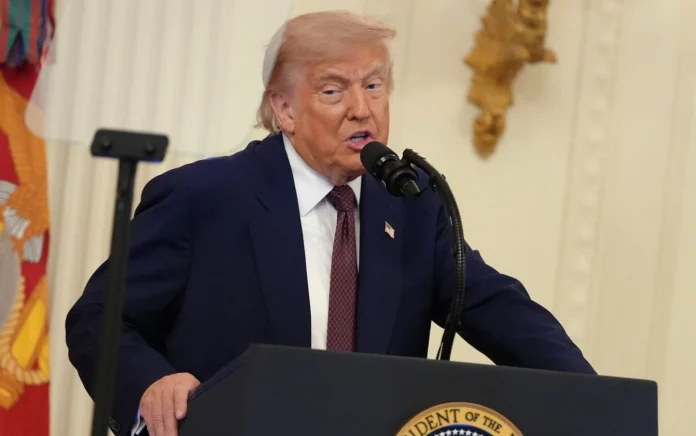
President Donald Trump publicly praised Israeli Prime Minister Benjamin Netanyahu during remarks at Joint Base Andrews, calling him a “warrior prime minister” after days of strain over fighting in Lebanon.
The remarks came during Trump’s unveiling of the new Air Force One and appeared aimed at calming speculation that the president’s relationship with Netanyahu had sharply deteriorated.
Trump said the United States and Israel had fought well together and described the relationship as strong.
- Trump praised Netanyahu’s wartime leadership.
- He also credited Gulf allies for supporting the broader regional campaign.
- The remarks followed U.S. pressure on Israel to accept a Lebanon ceasefire.
The warmer tone followed a tense week.
Israel’s operations against Hezbollah in southern Lebanon had threatened to complicate Trump’s U.S.-Iran agreement, which depends partly on reducing regional fighting while nuclear and sanctions talks continue.
Iran briefly pulled back from technical talks after the Lebanon escalation, creating a direct test of whether Trump could keep the peace framework intact.
The renewed Israel-Hezbollah truce has since created a narrow opening for talks to continue.
But Israeli officials continue to insist they must retain freedom to act against Hezbollah threats, while U.S. officials want to prevent another flare-up from disrupting the Iran negotiations.
Why It Matters
Trump’s remarks matter because they show the president trying to manage two competing priorities at once.
He wants to protect Israel’s security and maintain a close relationship with Netanyahu.
At the same time, he wants to preserve the Iran agreement, reopen regional shipping lanes and prevent Lebanon from becoming a spoiler.
- Praising Netanyahu reassures pro-Israel conservatives.
- Pressing for a Lebanon truce protects the Iran negotiating track.
- The balance is politically and diplomatically delicate.
For Trump, the strategy is to show that support for Israel does not require giving Israel unlimited room to act if those actions threaten a broader U.S. diplomatic objective.
That is a difficult message to sell to some Republican hawks, but it fits the administration’s argument that Trump can be both pro-Israel and focused on ending wider regional war.
The neutral concern is that the ceasefire remains fragile.
Hezbollah has warned it will respond to Israeli violations, while Israel says it will not allow Hezbollah to regroup near its border.
That means even a small incident could again complicate the U.S.-Iran talks.
Political and Public Context
Trump’s praise for Netanyahu comes after weeks of shifting signals.
At times, Trump has publicly defended Israel and credited Netanyahu for military pressure on Iran.
At other moments, the administration has shown frustration that Israeli operations in Lebanon could weaken the diplomatic framework Trump negotiated with Tehran.
- Trump needs Israel aligned enough to keep the Iran framework alive.
- Netanyahu wants to preserve Israeli freedom of action against Hezbollah.
- Congress wants more details on what the U.S.-Iran agreement requires.
Senate leaders from both parties have called for fuller briefings on the Iran memorandum, including what commitments the United States made and how Lebanon fits into the framework.
That transparency fight matters because lawmakers will be asked to judge the agreement while regional conditions remain unstable.
For Republicans, the politics are split.
Many support Trump’s effort to end the Iran conflict and lower regional risk.
But some remain wary of any arrangement that appears to restrain Israel while giving Iran sanctions relief or reconstruction incentives.
Trump’s praise of Netanyahu helps soften that concern by signaling that the White House still views Israel as a central ally.
What Happens Next
The next test is whether the Lebanon ceasefire holds long enough for U.S.-Iran technical talks to produce visible progress.
Reuters reported that the ceasefire has largely held, though fears remain that violations could trigger another round of fighting.
If calm continues, Trump can argue that his pressure on all sides is working.
- Watch whether Israel limits operations in southern Lebanon.
- Monitor Hezbollah’s response to any alleged ceasefire violations.
- Follow U.S.-Iran talks on nuclear inspections and sanctions sequencing.
- Track congressional demands for briefings on the Iran memorandum.
The administration may also continue developing a de-confliction mechanism to prevent Lebanon from disrupting the broader Iran agreement.
Axios reported that Israeli officials are concerned U.S.-Iran diplomacy could limit Israel’s freedom of action in Lebanon, while Washington is trying to prevent escalation that could collapse the deal.
For Trump, the ideal outcome is clear: keep Netanyahu close, keep Hezbollah contained, keep Iran at the table and keep the ceasefire alive.
For Netanyahu, the challenge is accepting U.S. pressure without appearing constrained by Washington.
For the Iran deal, Lebanon remains one of the biggest external risks.
Trump’s “warrior” praise may calm the politics for now, but the real test will be whether Israel, Hezbollah and Iran all avoid actions that force the White House back into crisis mode.
Sources
- Times of Israel: Trump Calls Netanyahu a “Warrior PM”
- Times of Israel: June 19 Live Updates on Trump, Netanyahu and Lebanon
- Reuters: Lebanon Ceasefire Largely Holds but Remains Fragile
- Axios: Israel Fears U.S.-Iran Diplomacy Limits Lebanon Operations
- Anadolu Agency: Senate Leaders Call for Iran Deal Details
