

Story Highlights
- An AP investigation says dozens of immigrant children were separated again after being reunited with parents from earlier Trump-era separations.
- The families were reportedly covered by a federal settlement intended to prevent another round of separations.
- The findings are likely to trigger new legal challenges and sharpen the political fight over Trump’s immigration crackdown.
What Happened
An Associated Press investigation has reopened one of the most painful chapters of Trump-era immigration policy, finding that dozens of immigrant children were separated from their parents a second time after previously being reunited.
The families had originally been separated during Trump’s first term under the zero-tolerance policy. Many were later reunited through legal action and covered by a federal class-action settlement designed to protect them from future separation.
- The AP found that some previously reunited families were separated again.
- Several cases involved parents who were detained or deported despite legal protections.
- A federal judge ordered at least one family returned after finding the government acted illegally.
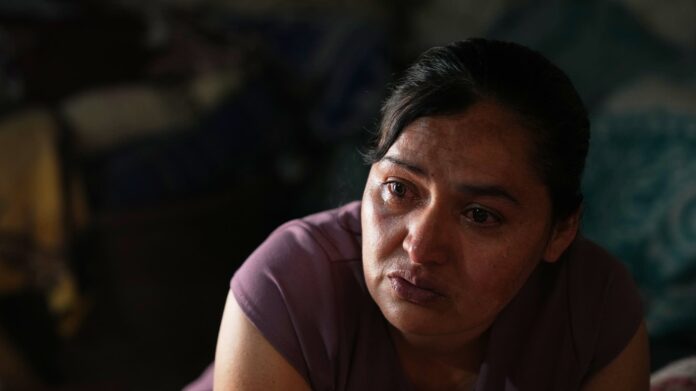
One of the central cases involved Ederson Galicia Alva, who was first separated from his mother at age three in 2018. After years of therapy and legal intervention, he was separated from her again when federal agents detained his mother during a work-related trip.
The family was deported to Guatemala and spent months there before a federal judge ordered their return to the United States. The case has become a symbol of what immigration advocates say is a broader failure to honor protections created after the first family separation crisis.
Why It Matters
The report matters because it suggests the administration may have violated a binding legal settlement meant to protect some of the most vulnerable families in the immigration system.
For immigration advocates, the AP findings show that Trump’s second-term enforcement push is not only aggressive but also potentially operating in conflict with court-supervised protections. For the White House, the report creates a serious political and legal problem at a time when immigration enforcement is expanding nationwide.
- The issue could return to federal court quickly.
- Judges may review whether the administration violated the settlement.
- Democrats are likely to use the findings to challenge Trump’s immigration record.
The human impact is also central. Family separation has been widely criticized by child welfare experts because of the lasting trauma it can cause. Re-separating children who already lived through that experience raises even deeper concerns about psychological harm.
The report also complicates the administration’s argument that enforcement is focused on criminals and national security threats. Some of the cases involved working parents and families who had already received legal protections through the earlier settlement.
Political and Public Context
The investigation comes as Trump’s immigration agenda is entering a more aggressive phase. His administration has secured major new funding for ICE and Border Patrol, threatened enforcement surges in sanctuary cities, and defended expanded removals as necessary to restore order.
But the AP report gives critics a powerful counter-message: that the administration’s enforcement machine may be moving faster than its legal safeguards.
- Republicans are likely to defend the broader enforcement agenda.
- Democrats will point to the report as evidence of legal and moral failure.
- Immigration advocates may push for stronger court oversight of ICE operations.
The timing is politically difficult for Trump. The administration wants to campaign on border security and deportation capacity, but family separation remains one of the most emotionally damaging issues for Republicans in national immigration debates.
Moderate Republicans in competitive districts could also face pressure. Supporting strong enforcement is one thing; defending the re-separation of children who were already supposed to be protected is far more politically complicated.
What Happens Next
The next phase will likely unfold in court. Advocacy groups are expected to use the AP investigation to seek enforcement of the settlement, review additional cases, and demand remedies for families who were wrongly detained, deported, or separated.
Congressional Democrats may also call for hearings into how ICE identified protected families, whether agents ignored legal warnings, and whether the administration failed to maintain proper compliance systems.
- Federal judges may demand records from immigration agencies.
- Advocacy groups may seek contempt findings or new compliance orders.
- The issue could become a major immigration flashpoint before the midterms.
For affected families, the legal process may bring relief, but not quickly. Even when courts order families returned, the bureaucratic process can take months and create another period of instability for children.
For Trump, the report creates a new vulnerability inside an issue he considers a political strength. His administration may continue to defend tough enforcement, but the renewed family separation controversy could become one of the clearest examples critics use to argue that the immigration crackdown has gone too far.
