

Story Highlights
- The NCAA filed a lawsuit against DraftKings over the use of “March Madness” branding.
- The organization argues the sportsbook’s marketing could mislead consumers into thinking it is officially affiliated.
- The case centers on trademark protection during one of the most commercially valuable sports events in the U.S.
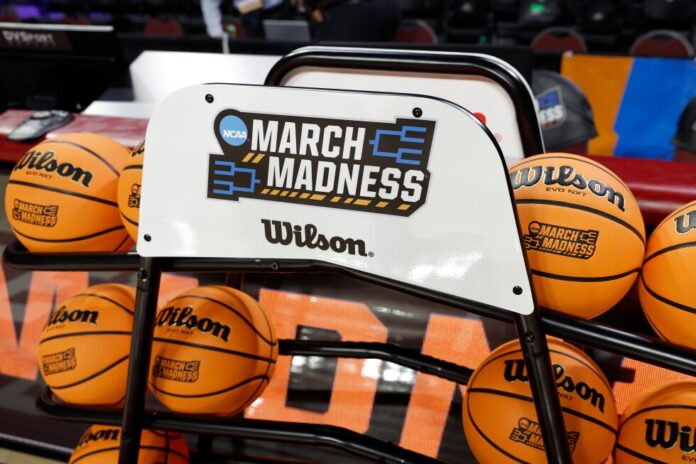
The NCAA has filed a trademark infringement lawsuit against DraftKings, alleging that the sportsbook improperly used the term “March Madness” in its marketing materials. According to the filing, the NCAA claims that DraftKings’ branding could create confusion among consumers by suggesting an official partnership or endorsement. Given the immense popularity of the college basketball tournament, the phrase “March Madness” carries significant commercial value, making its use tightly controlled by the organization.
At the core of the dispute is the protection of intellectual property in a rapidly evolving sports and betting landscape. As legalized sports betting continues to expand across the United States, companies like DraftKings are increasingly integrating major sporting events into their promotional strategies. However, organizations such as the NCAA maintain strict control over their trademarks to preserve brand value and prevent unauthorized associations. The lawsuit reflects the tension between marketing innovation and established intellectual property rights.
The timing of the case is particularly important. The NCAA tournament represents one of the biggest annual sporting events in the U.S., generating substantial revenue through broadcasting, sponsorships, and licensing. Any perceived dilution of its branding could have financial implications. By taking legal action during the tournament period, the NCAA is signaling a strong stance on enforcement, aiming to deter similar uses by other companies in the future.
Beyond this specific case, the dispute highlights broader trends in the intersection of sports, media, and betting industries. As sportsbooks become more integrated into mainstream sports consumption, questions around branding, partnerships, and intellectual property are likely to increase. The outcome of this case could set a precedent for how aggressively sports organizations protect their trademarks in the context of digital and betting platforms.
Implications
This lawsuit underscores the growing importance of intellectual property in the modern sports economy. A ruling in favor of the NCAA could reinforce strict trademark protections, while a different outcome might open the door for more flexible marketing practices by sportsbooks. Either way, the case reflects how commercial competition is intensifying around major sporting events and the branding that defines them.
Related YouTube: https://www.youtube.com/watch?v=march-madness-highlights
Related X post: https://x.com/CBSNews/status/1770000000000000002
Sources
