

Story Highlights
- President Donald Trump restored the American naval blockade against ships traveling to or from Iranian ports after the ceasefire collapsed.
- The blockade does not apply to neutral vessels traveling between non-Iranian destinations through the Strait of Hormuz.
- Trump abandoned his proposed 20% cargo fee and replaced it with planned Gulf trade and investment agreements.
- American forces continue striking Iranian military capabilities used to threaten commercial vessels and regional allies.
What Happened
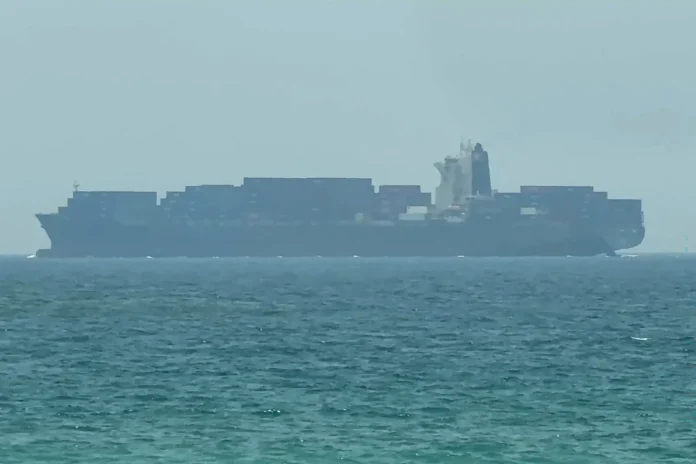
President Donald Trump restored the United States naval blockade against Iranian maritime commerce following renewed attacks on commercial ships and the collapse of the temporary ceasefire.
The blockade applies to vessels suspected of entering or leaving Iranian ports without authorization.
American officials said ships refusing lawful interception could be diverted, seized, or compelled to comply, while neutral traffic moving between non-Iranian destinations would not be blocked.
- The operation targets Iran’s ports, exports, and maritime revenue.
- Neutral commercial shipping may continue through the international waterway.
- American forces are monitoring vessels suspected of carrying Iranian cargo.
- Military strikes are targeting systems Iran can use against civilian shipping.
Trump initially proposed charging commercial vessels a fee equal to 20% of their cargo value in exchange for American protection.
He withdrew that proposal the following day after conversations with Gulf leaders.
The president said trade and investment agreements with regional partners would replace the reimbursement fee, allowing America to receive economic benefits without directly increasing costs for lawful shipping.
The revised plan separates two policies that were initially announced together: commercial vessels will not pay the proposed American toll, but vessels supporting Iranian trade remain subject to the blockade.
Why It Matters
Trump’s revised approach allows the United States to pressure Iran without imposing a new charge on allied countries and international shipping companies.
Iran depends heavily on maritime exports for government revenue. Restricting those exports increases economic pressure on Tehran while allowing commerce unrelated to Iran to continue.
Supporters argue that the blockade creates leverage without requiring an immediate expansion into a broader ground conflict.
- Iran loses access to revenue that can support missile and military operations.
- Gulf allies avoid an additional cost on lawful commercial cargo.
- The United States retains control over how pressure is increased or reduced.
- Tehran can secure relief by ending attacks and returning to negotiations.
The blockade also reinforces the American position that Iran cannot unilaterally control an international waterway or demand payment from vessels using it.
Trump has presented the United States as a defender of freedom of navigation rather than the owner of the strait.
Critics warn that intercepting Iranian-linked vessels could produce dangerous encounters between American and Iranian forces.
The administration argues that allowing Tehran to attack ships without consequences would create an even greater threat to global trade and regional stability.
Political and Public Context
The renewed blockade followed attacks on merchant vessels near the Strait of Hormuz that Washington attributed to Iranian forces.
The United States responded with additional strikes against coastal surveillance systems, naval facilities, missile infrastructure, drones, air defenses, and other military targets.
The ceasefire agreement had sought to reopen the strait, halt attacks, and create time for negotiations over Iran’s nuclear program and regional activities.
- The temporary agreement lasted less than one month.
- Washington accused Iran of attacking vessels using lawful shipping routes.
- Tehran accused the United States of violating the ceasefire through renewed strikes.
- Negotiations through regional mediators have continued despite the fighting.
Trump declared the ceasefire over but continued leaving open the possibility of negotiations.
That combination reflects his broader strategy of using escalating pressure to produce a new agreement rather than treating military action as an end in itself.
The president has also warned Iran against carrying out alleged assassination plots targeting him or other American officials.
Any credible assassination effort would dramatically increase the likelihood of additional American retaliation.
What Happens Next
The United States is expected to continue inspecting, diverting, or intercepting ships suspected of violating the blockade.
Commercial shipping companies will monitor military activity, insurance costs, approved navigation routes, and warnings issued by American and Iranian forces.
The White House must also provide details about the Gulf investment agreements that replaced Trump’s proposed shipping fee.
- American forces may board or redirect vessels connected to Iranian ports.
- Further attacks on merchant ships could trigger additional U.S. strikes.
- Gulf states may seek stronger American air and missile defenses.
- Mediators will continue attempting to bring Washington and Tehran back to negotiations.
The blockade’s effectiveness will depend on whether the United States can enforce it without disrupting neutral shipping or causing a wider confrontation.
Trump’s immediate objective is to deny Iran the ability to profit from maritime trade while threatening the same international waterway used by American allies.
The longer-term goal is to force Tehran to guarantee unrestricted navigation, stop attacks on commercial vessels, and return to negotiations under terms that can be verified and enforced.