

Story Highlights
- President Trump faces calls for removal via the 25th Amendment following chaotic AI-generated posts.
- Concerns about his mental acuity have resurfaced amid a flurry of bizarre social media activity.
- Legal experts suggest that any attempt to invoke the 25th Amendment is unlikely to succeed.
- Supporters argue that the president’s creativity and humor should not be misconstrued as instability.
What Happened
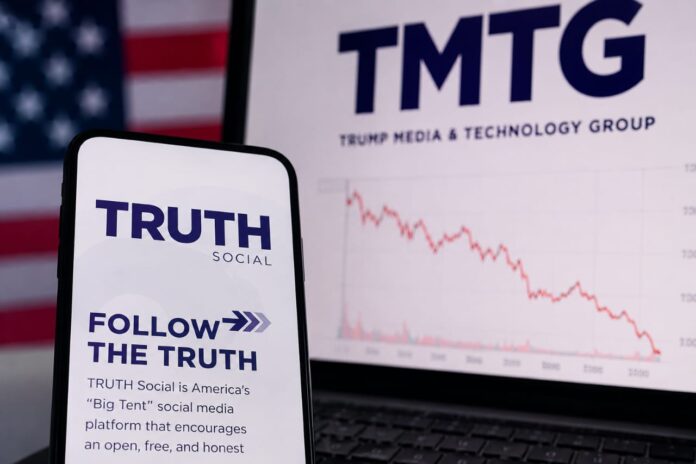
In a recent series of posts on Truth Social, President Trump has ignited a firestorm of controversy, leading to renewed calls for his removal from office under the 25th Amendment. The 80-year-old leader spent an entire day sharing a barrage of AI-generated content that many have deemed chaotic and concerning. This posting spree included bizarre images and videos, such as one depicting him launching a nuclear war from outer space and another showing him in a meeting with George Washington.
The president’s social media activity has long been a topic of discussion, but this latest episode has raised alarms among critics and supporters alike. The posts, which some have labeled as ‘deranged,’ featured captions like ‘give them nightmares’ and ‘they will never sleep again,’ prompting questions about his mental state. Critics have taken to social media to express their concerns, with some calling for the invocation of the 25th Amendment, which allows for the removal of a president deemed unable to fulfill their duties.
- Trump posted over 100 times on Truth Social in August alone.
- Calls for the 25th Amendment have come from various social media accounts, including ‘Call to Activism’ and ‘Republican Against Trump.’
- Progressive influencer Harry Sisson has highlighted Trump’s posts as indicative of a mental health crisis.
- Legal experts note that invoking the 25th Amendment would require significant political support, which is unlikely.
Why It Matters
The implications of this situation are significant, as they touch on the broader issues of mental health, leadership, and the stability of the presidency. Critics argue that the president’s erratic behavior could undermine public confidence in his ability to lead the nation effectively. The 25th Amendment was designed to address situations where a president is incapacitated, but the threshold for invoking it is high. It requires the vice president and a majority of the Cabinet to declare the president unable to perform his duties, a process that is fraught with political challenges.
Despite the uproar, many supporters of the president view his posts as a form of creative expression rather than a sign of instability. They argue that the humor and absurdity of the content reflect Trump’s unique style and ability to engage with his base. This perspective suggests that the president’s social media presence, while unconventional, is not indicative of a mental health crisis but rather a continuation of his unfiltered communication approach.
- Public confidence in the presidency could be shaken if concerns about Trump’s mental acuity persist.
- Supporters argue that the president’s creativity should not be misconstrued as a sign of instability.
- Legal experts warn that the political ramifications of invoking the 25th Amendment could be severe.
- The debate highlights the ongoing polarization in American politics regarding Trump’s leadership style.
Political and Public Context
To understand the current situation, it is essential to consider the historical context of the 25th Amendment and its intended purpose. Ratified in 1967, the amendment was designed to provide a clear process for addressing presidential incapacity. However, its application has never been tested in a politically charged environment like the one currently facing the nation. The amendment’s invocation requires a consensus among the vice president and Cabinet members, which is challenging in a divided political landscape.
Moreover, Trump’s social media activity has been a focal point of discussion since he first took office. His unconventional approach to communication has often drawn both praise and criticism. While some view his posts as a refreshing departure from traditional political discourse, others see them as a potential threat to national stability. The current debate surrounding his AI-generated posts is just the latest chapter in this ongoing narrative.
- The 25th Amendment has never been invoked against a sitting president, making this situation unprecedented.
- Trump’s social media presence has been a topic of contention since his presidency began.
- Historical precedents for presidential incapacity are limited, complicating the current debate.
- The political landscape remains deeply divided, affecting perceptions of Trump’s leadership.
NAACP Calls for #Trump's Removal Under 25th Amendment in Historic First
On April 7, 2026, the NAACP took the extraordinary step of calling for President Trump's removal under Section 4 of the 25th Amendment—marking the first time in the organization's 117-year history that it… pic.twitter.com/xqcCBdNdhb
— Liberal_photographer118📷🇺🇸 (@NikonGirl118) September 9, 2026
What Happens Next
Looking ahead, the future of this debate remains uncertain. While calls for the 25th Amendment may continue to surface, the likelihood of successful invocation appears slim. The political ramifications of such a move would be profound, potentially leading to further polarization and unrest among the electorate. As the midterm elections approach, the dynamics within Congress could shift, but any attempt to remove the president would still require bipartisan support, which is unlikely given the current political climate.
Moreover, the president’s supporters are likely to rally around him, viewing the criticism as an attack on his leadership rather than a legitimate concern. This could further entrench divisions within the Republican Party and among the electorate as a whole. The coming weeks and months will be crucial in determining how this situation evolves and whether it will have lasting implications for Trump’s presidency.
- Continued calls for the 25th Amendment are expected, but political realities may hinder progress.
- The midterm elections could shift the balance of power in Congress, impacting future discussions.
- Supporters of the president are likely to mobilize in defense of his leadership style.
- The ongoing debate may influence public perception of mental health issues in political leadership.
