

Story Highlights
- Trump attends Supreme Court arguments in a rare move
- First sitting president to be present during proceedings
- Signals direct engagement with the judicial process
What Happened
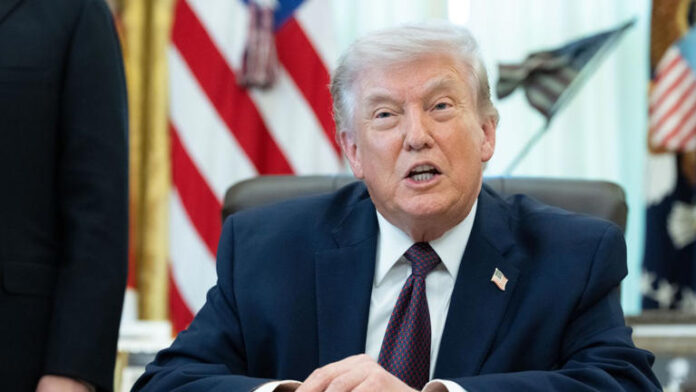
Donald Trump made a historic appearance at the United States Supreme Court, becoming the first sitting president to attend oral arguments in person. The visit marked an unusual moment in the relationship between the executive branch and the judiciary, as presidents typically do not attend court proceedings directly.
His presence at the court drew significant attention, highlighting the importance of the case being heard and the broader legal issues involved. While the president did not participate in the arguments, the visit itself carried symbolic value, reflecting a closer observation of the judicial process.
The event represents a departure from long-standing tradition and signals a willingness to engage more visibly with key legal developments. It underscores the importance of the judiciary in shaping national policy and governance.
Why It Matters
The Supreme Court plays a central role in interpreting the Constitution and shaping the legal framework of the country. A presidential visit to the court highlights the importance of its decisions and their impact on national policy.
Such a move can also increase public awareness of judicial proceedings. It draws attention to the role of the court and encourages broader understanding of how legal decisions affect society.
In addition, the visit reflects a more direct connection between branches of government. While each branch operates independently, moments like this emphasize their shared role in governance.
Political and Geopolitical Impact
Politically, the visit may be seen as a sign of active engagement with key institutional processes. It presents an image of attentiveness to legal matters and respect for the judicial system. This may resonate with those who value strong institutional involvement.
From a broader perspective, the event highlights the strength and visibility of U.S. democratic institutions. The interaction between branches of government is closely observed both domestically and internationally. Such moments can influence how governance and legal systems are perceived globally.
At the same time, the unusual nature of the visit may lead to discussion about tradition and precedent. Observers may debate its significance and potential impact on future interactions between branches.
Implications
This historic visit may set a precedent for greater visibility of executive engagement with the judiciary. It could also encourage more public interest in legal proceedings. However, its long-term impact will depend on how such actions are viewed and whether similar steps are taken in the future.