

Story Highlights
- U.S. evaluates changes to international health supply systems
- Focus on improving efficiency and resource management
- Concerns raised about continuity and global impact
What Happened
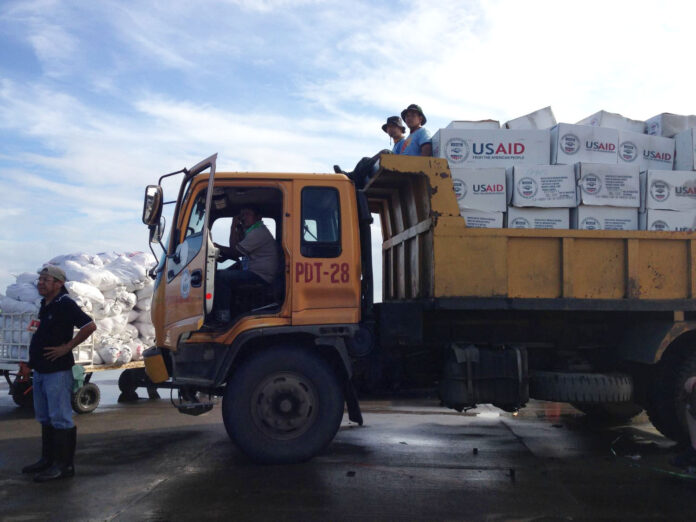
The United States is reviewing proposed changes to its international health supply programs, which support the distribution of medical resources across multiple countries. The review focuses on restructuring how supplies are sourced, managed, and delivered to improve efficiency and oversight.
These programs play an important role in supporting treatment and prevention efforts for diseases such as malaria and HIV. Officials are assessing whether adjustments to procurement and distribution systems can enhance performance while maintaining reliability.
However, the proposed changes have raised concerns among experts and organizations involved in global health. Some stakeholders are closely monitoring how these adjustments may affect the availability of essential supplies in different regions.
Why It Matters
Global health supply systems are critical for ensuring that medicines and resources reach those in need. Any disruption or delay can affect treatment outcomes and public health efforts. Maintaining continuity is essential for ongoing programs that depend on steady supply chains.
For the United States, these programs also reflect a broader commitment to international cooperation and health support. Changes to these systems can influence both operational efficiency and global partnerships.
Balancing improvement with stability is key. While reforms may increase efficiency, they must be implemented carefully to avoid unintended consequences.
Political and Geopolitical Impact
From a policy perspective, the review reflects ongoing efforts to improve government programs and manage resources effectively. It highlights the importance of evaluating systems to ensure they meet current needs and standards.
Geopolitically, U.S. involvement in global health programs contributes to international cooperation and goodwill. Changes to these programs may influence relationships with partner countries and organizations. Maintaining trust and reliability will be important as adjustments are considered.
The situation also shows how domestic decisions can have international effects, especially in areas such as public health and humanitarian support.
Implications
If the changes are implemented successfully, they could improve efficiency and strengthen long-term sustainability. However, careful execution will be necessary to ensure that supply continuity is not affected. The outcome will depend on how well the transition is managed.
Source
“US upends global supply program for malaria, HIV amid warnings of gaps”
